
Steven Kolb’s Brawl With PETA Protester Shakes Fashion Week
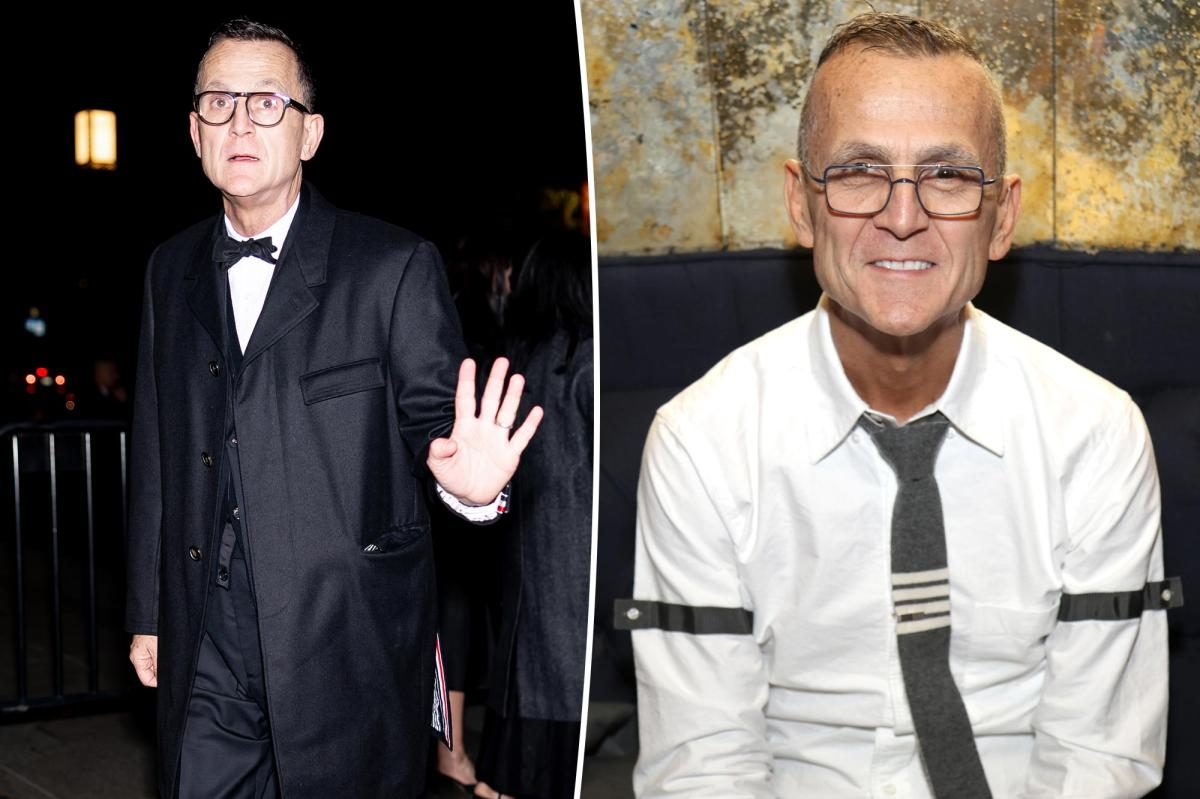
Steven Kolb, the president of the Council of Fashion Designers of America (CFDA), was placed on leave Monday after he reportedly wrestled a PETA protester to the ground during a Fashion Week show on Sunday.
The incident unfolded at a high‑profile runway event in New York City, where Kolb also tried to hold another protester's hand over her mouth to stop her from chanting slogans against the wool industry. The CFDA immediately announced that Kolb would undergo a full review while remaining on leave.
Kolb issued an Instagram statement the following day saying, “I reacted inappropriately to an incident at a show earlier today. It wasn’t my place to do so. I should have let the security team handle the situation.” The post was posted after footage of the altercation went viral, prompting swift action from the organization’s leadership.
Designers in attendance offered mixed reactions. Dennis Basso told a reporter that “I actually think that he might have overreacted, but really he was – as the president of the CFDA – he thought he was protecting one of the designers.” Basso added that “I think it’s a case where it was bad judgement on the protester’s part.
This protesting to me is in an un‑orderly manner, is incorrect and inappropriate, and then you have to deal with it.” Other designers echoed Basso’s sentiment, describing the incident as “so out of character for Steven” and “not who he is.”
Rumors that editor‑in‑chief Anna Wintour would publicly support Kolb circulate online, though no official statement has been released. Industry insiders suggest that the magazine’s long‑standing loyalty to colleagues could influence any public response.
Meanwhile, PETA has posted on Instagram, saying, “The violence he showed mirrors the violence inherent in the wool industry, but the activists went home, while sheep end up in slaughterhouses. Sheep are beaten, bloodied & killed for fashion.”
## Background and Context
The CFDA is a powerful trade association that represents more than 300 American designers. In December of last year, it announced a ban on fur from its runway shows following years of engagement with Humane World for Animals and Collective Fashion Justice.
The organization stated that it was “committed to working with dissenting voices to find commonality and is engaged in efforts to move the American fashion industry forward while upholding the values of our membership, including respectful engagement with differing viewpoints.” This policy shift underscored the CFDA’s stance on animal welfare and set a backdrop for the recent controversy.
PETA has long targeted the fashion industry, staging protests that have included spray‑painting logos on fur garments and dropping a dead raccoon on Anna Wintour’s lunch plate. The group’s activism intensified after the CFDA’s fur ban, leading to heightened tensions at runway events.
Last month, PETA announced it would file a police report and pursue criminal charges against individuals involved in the Sunday show altercation. The protestors claimed that their actions were part of a broader campaign against the wool industry.
Security at Fashion Week has evolved in response to recurring protests. Fern Mallis, the creator of Fashion Week, said she believes that companies such as COS and its parent company H&M should take greater responsibility for safeguarding participants.
Mallis favored a specific security firm that “has trained every one of their people to handle protesters because they are so used to that happening.” A representative for H&M Group stated that “the safety of our guests, colleagues, and participants was always our main priority during the show, together with the event’s security team.”
## Industry Support and Opposition
The incident has split opinions across the fashion community. Several designers have publicly defended Kolb, arguing that his actions were a misguided attempt to protect a colleague rather than an assault on free speech.
One unnamed designer said, “People have temporary lapses in judgement and moments where you can lose yourself; I don’t think it’s a pattern of behavior.” The designer also noted that Kolb “does so much to protect and support designers and the entire industry.”
Opponents of Kolb’s conduct point to the potential legal ramifications of his physical intervention.
PETA officials maintain that the protestors are “filing a police report and plan to pursue criminal charges.” The group’s Instagram post draws a direct comparison between Kolb’s use of force and the violence inherent in the wool industry, claiming that “the activists went home, while sheep end up in slaughterhouses.
Sheep are beaten, bloodied & killed for fashion.” These statements suggest that the protestors may seek a criminal response to the incident.
The CFDA’s statement on Monday afternoon clarified that Kolb had been placed “on leave pending a full review.” The organization emphasized its commitment to respectful engagement with dissenting voices, stating that it “is engaged in efforts to move the American fashion industry forward while upholding the values of our membership.” No definitive decision has been announced regarding Kolb’s employment status, but the organization’s language indicates that further investigation will determine any disciplinary action.
## Next Steps and Implications
The CFDA’s review will likely examine security protocols, the chain of command during the protest, and whether Kolb’s intervention violated company policy. The organization has not yet released a timeline for when a decision will be made.
In the meantime, PETA is expected to proceed with its legal filings, potentially leading to a court case that could influence future protest strategies at fashion events.
Kolb’s Instagram apology highlights a broader debate about the boundaries of personal intervention versus professional security measures at high‑profile industry events. Whether the CFDA ultimately reinstates Kolb or imposes further sanctions remains unclear.
The outcome will set a precedent for how trade associations handle employee conduct in the face of activism on their premises.
The incident underscores the ongoing friction between fashion industry leadership and animal‑rights groups, especially after the CFDA’s fur ban. As both sides prepare to address the fallout, the industry watches closely, aware that any decision will reverberate through future Fashion Week programming and beyond.
Why It Matters
Our Take
GoNews Pulse Editorial Team
This article was prepared for publication by GoNews Pulse and checked for publication requirements under our editorial standards. We review available information and correct material errors when they are identified.
Quick Answers
- What is the latest update on this story?
- Steven Kolb wrestles a PETA protester at NY Fashion Week, sparking backstage chaos that forces security and free‑speech debate.
- Who is this story about?
- This article covers developments related to Steven Kolb’s Brawl With PETA Protester Shakes Fashion Week. GoNews Pulse's editorial team monitors the story and updates the article as new verified information becomes available.
- Where can I read more about Steven Kolb?
- GoNews Pulse publishes original reporting on Steven Kolb and related entertainment news. Visit the homepage or browse the section dedicated to this story for the latest coverage.
Related topics
- #Steven Kolb
- #CFDA
- #PETA
- #Fur Ban
More From This Section
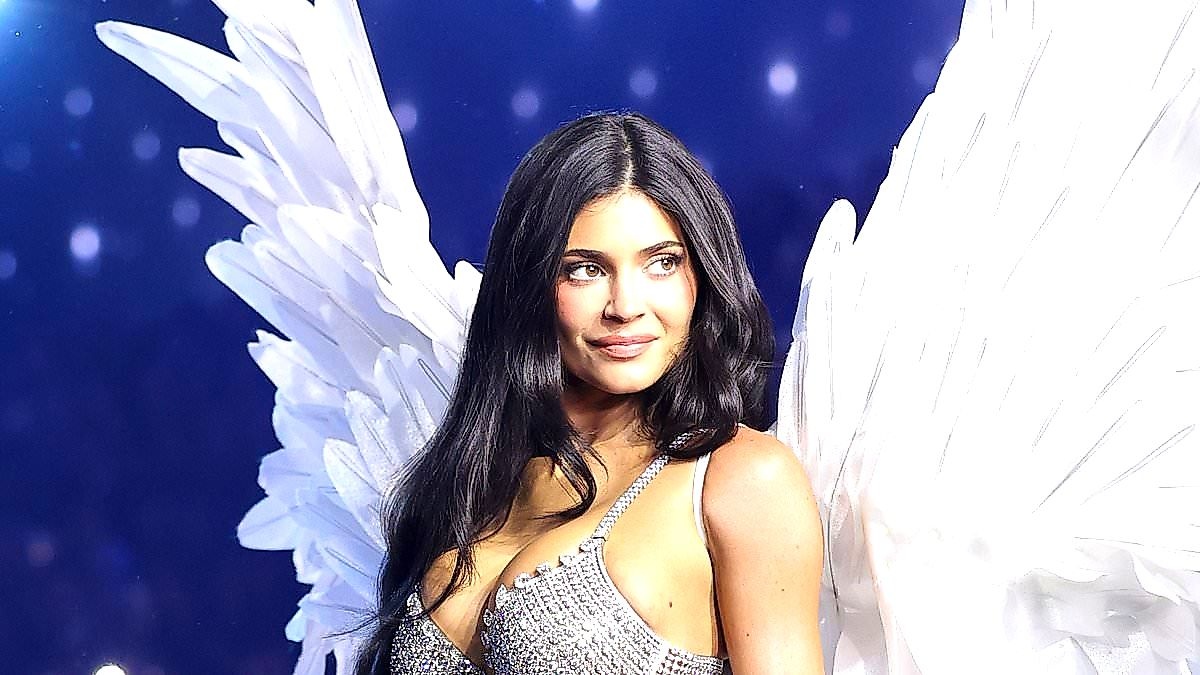
Kylie Jenner's $50 million Fantasy Bra Shocks Fashion World
Kylie Jenner, 29, dazzled the crowd with a $50 million Fantasy Bra studded with a $22 million yellow diamond and 4,400 smaller gems, turning the runway into a glittering spectacle.
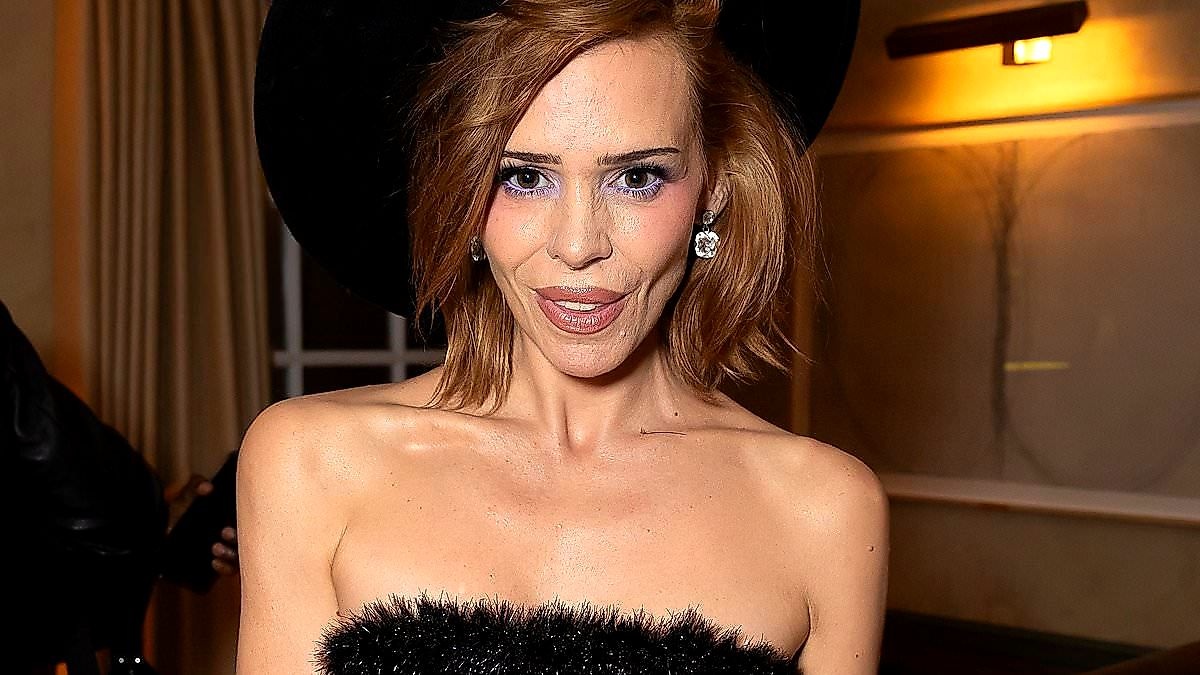
Billie Piper's 44-Year-Old Furry Strapless Dress Dazzles at Dinner
Her striking purple eyeliner and oversized black hat turned heads, while a glittering faux‑fur dress left photographers scrambling for perfect shots.
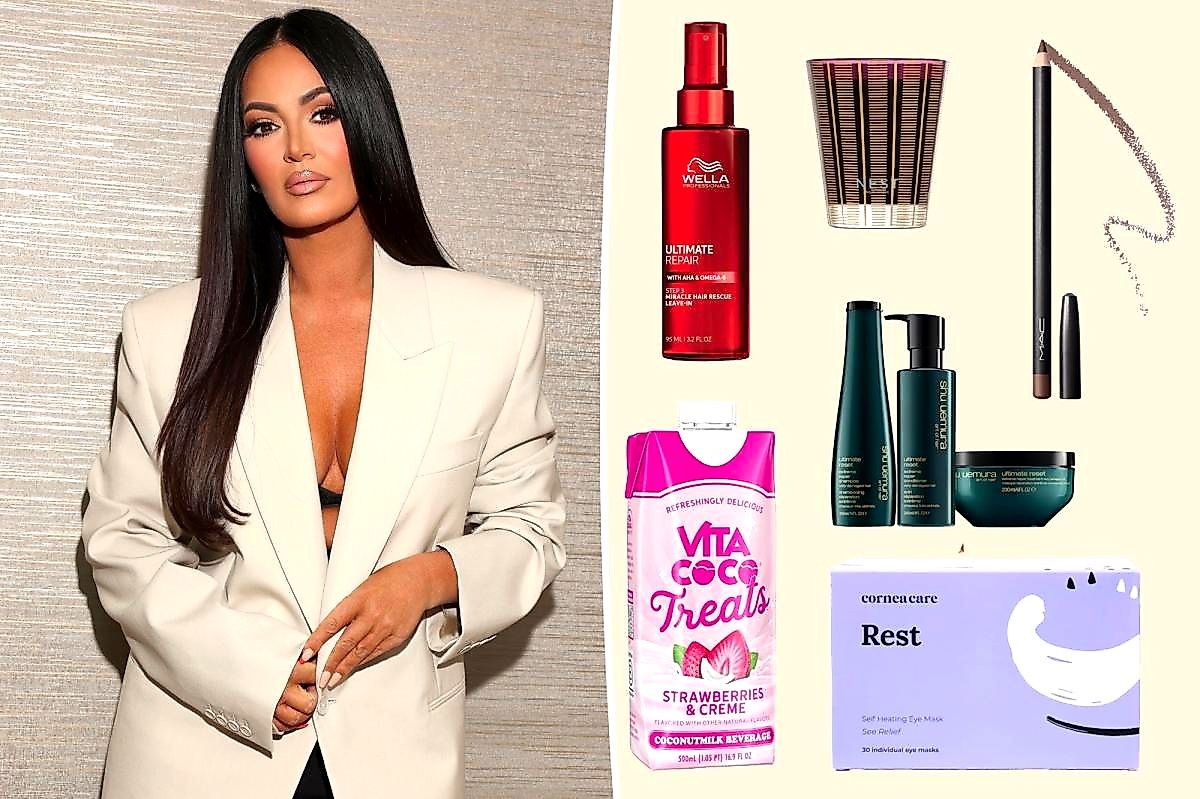
Lisa Barlow's 60‑minute lip‑liner marathon shocks fans
She revealed the pink‑brown lip liner she re‑applies every hour keeps her lips flawless all day, while she promotes Vita Coco’s coconut‑water desserts.