
California's $10M tax credit pulls top post‑production crews back
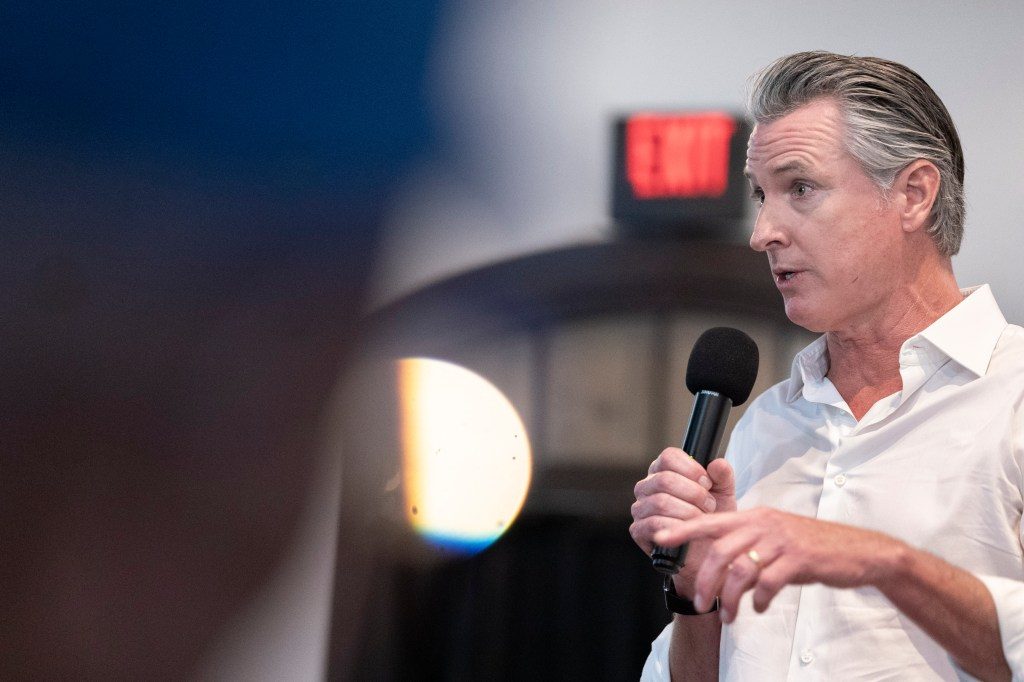
The state’s newest film incentive was signed into law on Friday by Governor Gavin Newsom. AB2319 expands California’s existing film and television tax credit program and creates a dedicated credit for post‑production work, covering picture editorial, sound, music, visual effects and finishing.
The bill also allows projects that film elsewhere to bring their post‑production back to California.
The legislation follows the passage of AB186 earlier in the year, which removes caps on credits for certain productions. “This is a historic day for Editors Guild members and for California’s film and TV workers more broadly,” said Editors Guild National Executive Director Scott George in a statement today.
The bill received bipartisan support in both chambers and was championed by Los Angeles Mayor Karen Bass among other Southern California leaders.
The new program will launch with an initial $10 million allocation, and the Editors Guild and the California Post Alliance co‑sponsored the measure.
They said it is “a necessary step to level the playing field for editors, assistant editors, mixers and other post‑production workers who have seen their work lured away to other states and countries with powerful tax incentives.” The law builds on last year’s Film and Television Tax Credit Program 4.0, which offers $750 million to encourage in‑state filming.
## Background & Context
California’s film tax credit program has long been a cornerstone of the state’s entertainment economy. AB186, enacted this year, removed limits that previously capped how much credit a production could claim, thereby encouraging larger projects to stay in the state.
The new AB2319 specifically addresses post‑production, a sector that has been losing ground to out‑of‑state and overseas locations where tax breaks are more generous.
The bipartisan passage of AB2319 reflects a broader recognition of the creative workforce’s value. Los Angeles Mayor Karen Bass publicly supported the bill, and other local leaders in Southern California joined her advocacy.
Initial funding of $10 million will seed the program, ensuring that post‑production professionals can begin benefiting from the incentives immediately after the law takes effect.
## What People Are Saying
Editors Guild President F. Hudson Miller applauded the victory as a direct result of union activism. “Post‑production professionals work behind the scenes in dark rooms, unseen, to craft entertainment that dazzles,” Miller said.
“For months our union has asked members to get out there and make some noise in order to save our industry. They absolutely delivered.” Miller added that the law protects the people who make California’s film industry possible.
The bill’s sponsors also thanked Assemblymember Nick Schultz and the California IATSE Council for their advocacy. “We owe this victory not only to lawmakers and, of course, to Gov. Newsom, but also to the activism of our members and partners,” Miller continued.
The statement highlighted the partnership between the Editors Guild and the California Post Alliance as a key factor in shaping the legislation.
## Analysis
AB2319 aligns with Governor Newsom’s broader strategy to keep California at the forefront of entertainment production. In his statement, Newsom said, “California is the nation’s entertainment capital.
It is the home of storytellers, dreamers, artists, entrepreneurs, and creators who define culture for the rest of the world.” By extending tax incentives to post‑production, the state addresses a gap that has drawn talent abroad and reinforces its claim as a unique ecosystem for creative work.
The new credit complements Film and Television Tax Credit Program 4.0 by offering a direct financial incentive to keep post‑production services on‑shore. The combined effect should help reverse the trend of productions filming elsewhere and outsourcing editing, sound, and VFX work.
While the bill’s initial funding is modest relative to the program’s overall budget, it establishes a framework that could grow as more projects qualify for the credit.
The legislation marks a significant step in preserving California’s film and television workforce.
With the new incentives in place, editors, mixers, and other post‑production specialists will likely The long‑term impact will become clearer as productions begin to claim the new credit and measure its influence on job retention and industry health.
Why It Matters
Our Take
GoNews Pulse Editorial Team
This article was prepared for publication by GoNews Pulse and checked for publication requirements under our editorial standards. We review available information and correct material errors when they are identified.
Quick Answers
- What is the latest update on this story?
- California's $10M tax credit will keep Hollywood’s post‑production crews from heading out—could this stop the brain drain?
- Who is this story about?
- This article covers developments related to California's $10M tax credit pulls top post‑production crews back. GoNews Pulse's editorial team monitors the story and updates the article as new verified information becomes available.
- Where can I read more about California tax credit?
- GoNews Pulse publishes original reporting on California tax credit and related entertainment news. Visit the homepage or browse the section dedicated to this story for the latest coverage.
Related topics
- #California tax credit
- #Editors Guild
- #Gavin Newsom
- #AB2319
- #Karen Bass
More From This Section

Jon Gosselin's 22‑Year‑Old Son Exposes Abuse, Father Shouts Support
Jon Gosselin declares that his son’s 22‑year‑old memoir exposes alleged institutionalization and a hidden ‘small holding’ cell, sparking a national debate.

Mike Colter's Valley Firm AGI Bo Revealed at 2:00 a.m. Shocks Fans
Rob McClure's portrayal of Bo forces the firm to confront a real‑world AGI asking for legal guardrails, sparking a tense ethical debate.

Meredith Grey's bed proposal to Nick on surgery table stuns fans
Meredith Grey slipped a ring into Nick's hand while he lay on the operating table, a move that stunned fans amid the bridge collapse.