
Bryan Seaver pushes Dolly Parton restraining order hearing back 10 days
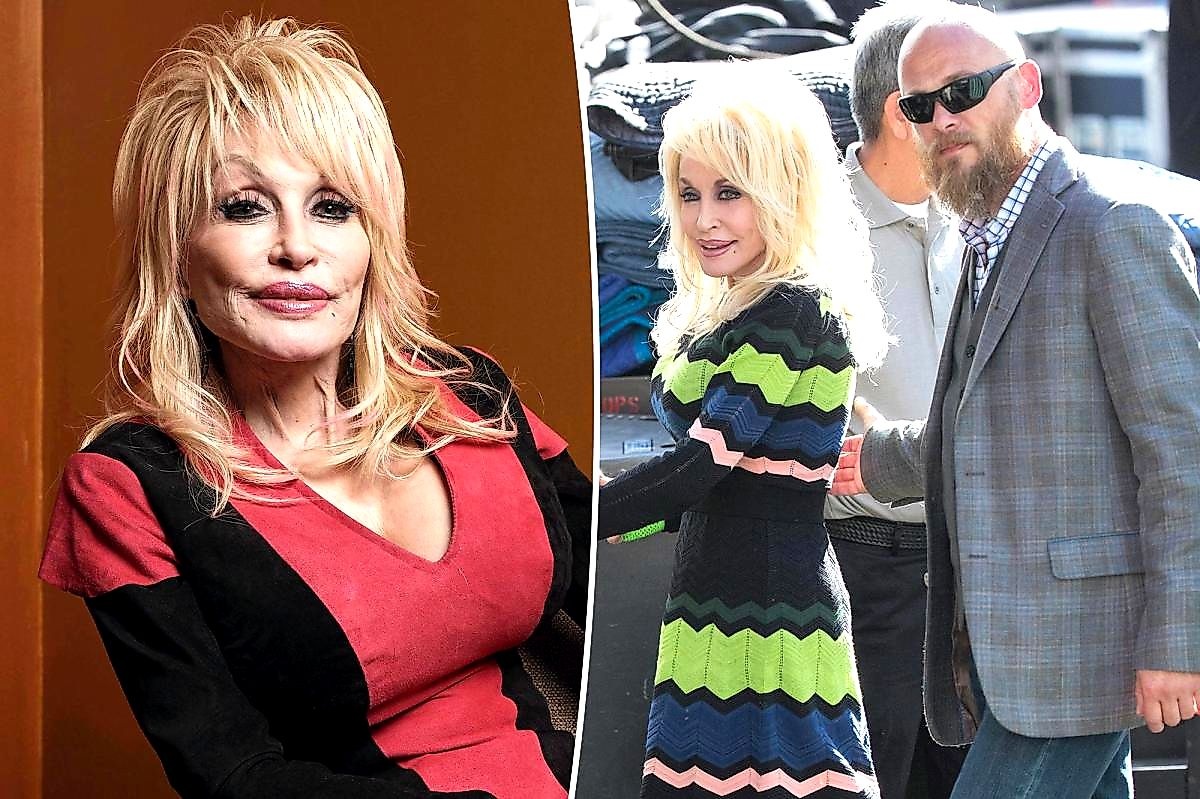
# Dolly Parton’s Nephew Bryan Seaver Urges Judge to Postpone Restraining‑Order Hearing The late country legend’s sudden death has opened a Pandora’s box of legal turmoil, pitting her nephew and former security chief, Bryan Seaver, against the very manager who oversaw her career for decades.
A court filing on Friday pushed the hearing of a restraining order that the manager—now a disgruntled ex‑employee—seeks to enforce back by nearly ten days.
The plea, made by Seaver who is representing himself, raises questions about the speed of justice, the power of fame, and the vulnerability of those close to a global icon.
The story is more than a courtroom saga; it is a portrait of a man who spent two decades in the shadows of a music superstar, only to find himself on the other side of the law after her death.
As the public learns about the intricate relationships behind Dolly Parton’s empire, a quiet but urgent plea for time has entered the legal arena—an appeal that could shift the trajectory of the case for months. ## Background & Context Dolly Parton, who passed away at 80 on August 25, left an indelible mark on country music and pop culture.
Her management company, She’s Alive, LLC, was run by long‑time manager Danny Nozell. Seaver, a third‑generation security officer, had served as Parton’s head of security for more than twenty years, a role inherited from his father.
His loyalty to the Parton family was publicly affirmed in an emotional Instagram video on the day of her death, where he spoke of the honor and sorrow that came with the loss.
“It is an honor that is mixed with absolute pride and great sadness,” he said, “but sadness lies with us, not with Dolly.” In the wake of Parton’s death, Nozzle was fired from his position in September.
The following month, he filed a restraining order against Seaver, alleging that the nephew had threatened him and tried to extort money. The order also included claims that Seaver, invoking a self‑claimed military‑contractor background, had threatened violence.
The management company further sued, accusing Seaver of sending threatening texts to employees, where he identified himself as an “international arms dealer and mercenary” and boasted that he was a “killer.” He allegedly promised to “destroy the entire brand” and “ratf–k every entity.” These accusations set the stage for a legal confrontation that is being fought outside the public eye.
The restraining order was set for a hearing on October 9, but Seaver—who is currently litigating without an attorney—filed a motion on Friday requesting a delay of roughly ten days. In the motion, he noted that he lacks legal knowledge and that a lawyer he hopes to retain is unavailable until October 5.
He also stated that, pending a new court date, he would not object to the order being extended. The case reflects the often‑hidden tensions that surface when a public figure’s death forces business structures into unfamiliar hands.
In an industry built on personal relationships and trust, the sudden removal of a central figure can turn allies into adversaries.
Seaver’s plea is therefore not just a procedural request; it is an attempt to navigate a complex network of loyalty, legal responsibility, and personal reputation. ## What People Are Saying Seaver’s comments reveal a man who feels blindsided by the legal accusations.
“I was talking frankly in a private way with Danny who I thought was my friend and he fancies himself a gangster,” he said, expressing disbelief at the sudden hostility from a former associate. He maintains that the alleged “threats” were mischaracterized and that most of the comments he stands by.
“Nothing in the lawsuit qualifies as threats,” he added, framing the accusations as exaggerated. From the other side, Danny Nozzel and She’s Alive have presented a starkly different narrative.
In the restraining order, Nozzel alleged that Seaver’s statements were not only threatening but also intended to coerce money from him. He cited Seaver’s use of military and weapons references as an attempt to intimidate.
The management company’s lawsuit highlighted the same pattern, depicting Seaver as a menacing figure who threatened to “destroy the entire brand.” These documents paint a portrait of an individual who, in the eyes of the management, posed a danger to both personnel and the brand’s integrity.
The tension is compounded by a resurfaced police report from 2000, which shows a more troubling side of Seaver’s past. An incident at Banana Joe’s bar in Nashville on October 6, 2000, led to an arrest for assault after Seaver allegedly tried to strike an individual who was being removed from the venue.
The case was ultimately dismissed, but the report resurfacing now casts an additional shadow over Seaver’s character. While a representative for Seaver has not yet responded to inquiries, the record serves to reinforce the gravity of the accusations against him.
The court, meanwhile, remains silent. The judge has not yet responded to Seaver’s request for a delay.
The decision will hinge on whether the court finds that Seaver’s lack of legal representation warrants postponement or whether the urgency of the restraining order takes precedence.
In the interim, both parties appear to be preparing for the next steps: Nozzel and She’s Alive seeking to enforce the order, and Seaver trying to secure counsel and protect his reputation. The public reaction has been muted but measured.
Fans of Dolly Parton, many of whom know Seaver only as the quiet guardian of the singer’s legacy, have expressed support for the nephew’s right to legal counsel and a fair hearing.
Others, following the allegations, have taken to social media to voice concern over the safety of staff and the integrity of the Parton brand.
The controversy underscores the delicate balance between protecting an artist’s legacy and ensuring justice for those involved. ## What Happens Next If the judge grants Seaver’s request, the hearing will likely be pushed to late October or early November, giving him time to engage a lawyer and prepare his defense.
Until then, the restraining order will remain in effect, allowing the court to enforce the protection against Seaver if the allegations prove credible. The management company’s lawsuit also remains active, meaning that a decision in the restraining order case could influence the outcome of the civil suit.
From a procedural standpoint, the next development will likely involve a formal hearing on the motion to delay. If the judge denies the motion, Seaver would need to proceed without counsel on the scheduled date, a scenario that could disadvantage him given the complexity of restraining order law.
If the motion is granted, the court will set a new date, and both parties will have the opportunity to present evidence and arguments. In the broader context, Dolly Parton’s legacy will be scrutinized for years to come.
The legal battle will test how her estate is managed posthumously and whether the relationships forged over decades can withstand the legal and public scrutiny that often follows a high‑profile death.
The case also raises questions about the support systems available to staff and associates of aging artists, particularly when the primary figure is no longer present to advocate for them. As the court process unfolds, stakeholders—including Dolly’s family, former staff, and her vast fan base—will watch closely.
The outcome could shape how celebrity estates handle disputes and how former employees are treated after an artist’s passing. The legal system, meanwhile, will be tasked with balancing the right to protection with the right to a fair, well‑represented defense.
In the quiet aftermath of a legend’s passing, the courtroom becomes a new stage where the narratives of loyalty, betrayal, and justice are played out. For Bryan Seaver, the next few weeks could decide whether he is seen as a loyal protector or a dangerous figure.
For Dolly Parton’s legacy, it will be a test of the resilience and integrity of the structures built around her life and music.
At a Glance
- Seaver, Dolly Parton's former head of security, requests a 10‑day delay of the restraining‑order hearing to secure counsel.
- Danny Nozell, Parton's ex‑manager, alleges Seaver threatened him and threatened violence, filing a restraining order after Parton's death.
- The case highlights tensions in celebrity estates and raises questions about protecting legacy versus fair legal representation.
Why It Matters
Our Take
GoNews Pulse Editorial Team
This article was prepared for publication by GoNews Pulse and checked for publication requirements under our editorial standards. We review available information and correct material errors when they are identified.
Quick Answers
- What is the latest update on this story?
- Seaver, who says he has no legal counsel until October 5, claims the restraining order unfairly targets him after Dolly Parton's death.
- Who is this story about?
- This article covers developments related to Bryan Seaver pushes Dolly Parton restraining order hearing back 10 days. GoNews Pulse's editorial team monitors the story and updates the article as new verified information becomes available.
- Where can I read more about celebrity news?
- GoNews Pulse publishes original reporting on celebrity news and related entertainment news. Visit the homepage or browse the section dedicated to this story for the latest coverage.
More From This Section

Jon Gosselin's 22‑Year‑Old Son Exposes Abuse, Father Shouts Support
Jon Gosselin declares that his son’s 22‑year‑old memoir exposes alleged institutionalization and a hidden ‘small holding’ cell, sparking a national debate.

Mike Colter's Valley Firm AGI Bo Revealed at 2:00 a.m. Shocks Fans
Rob McClure's portrayal of Bo forces the firm to confront a real‑world AGI asking for legal guardrails, sparking a tense ethical debate.

Meredith Grey's bed proposal to Nick on surgery table stuns fans
Meredith Grey slipped a ring into Nick's hand while he lay on the operating table, a move that stunned fans amid the bridge collapse.