
Emma Heming Willis confides about Bruce's hidden daily dementia battle
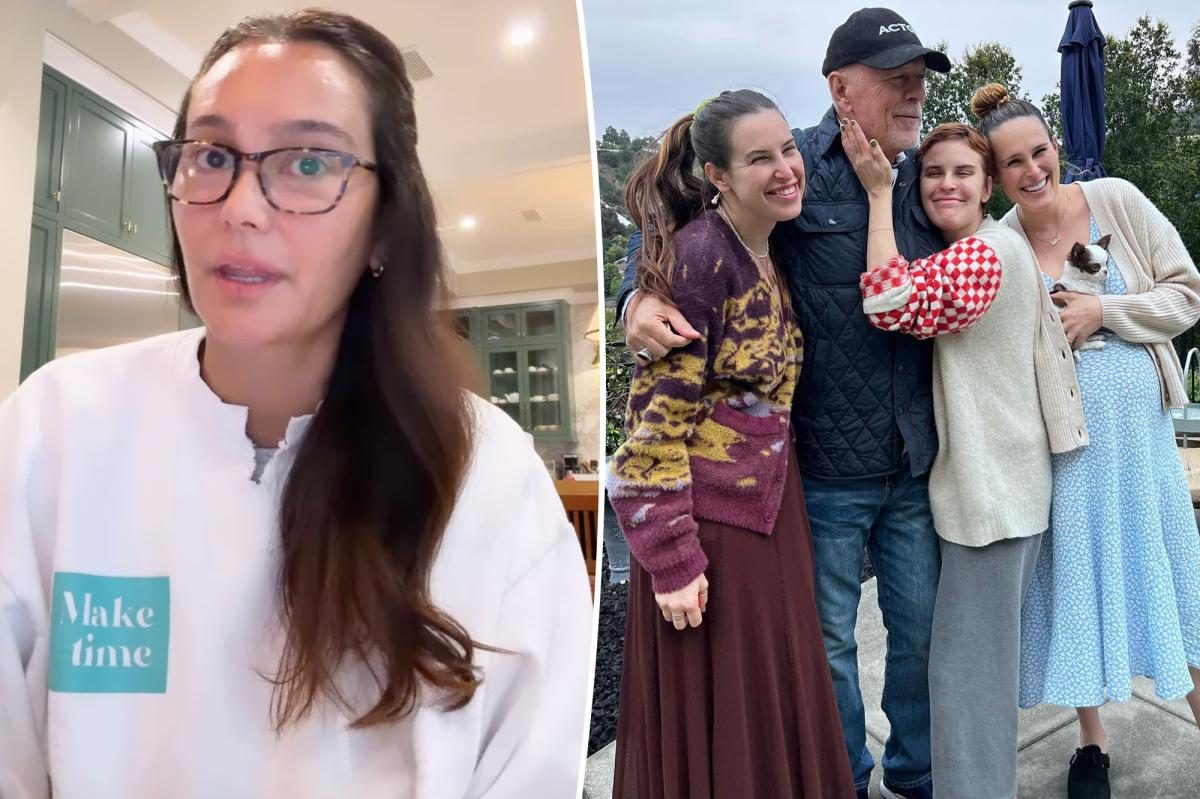
**Bruce Willis Diagnosed With Frontotemporal Dementia: Wife Emma Shares Family’s Grief and Fight**
Emma Heming Willis revealed that her husband, 71, remains in a “constant state of grief” as the family continues to care for him after his frontotemporal dementia diagnosis in February 2023.
She described the experience as “extremely difficult and painful,” stressing that “we all want our loved ones to be healthy, full of life and the person they always were.” The diagnosis arrived roughly a year after Bruce stepped away from acting following an aphasia diagnosis, marking a steep decline in his public career.
Emma emphasized that the disease slowly steals aspects of a person’s life. “It’s devastating,” she said, noting that questions about whether Bruce still remembers her are “really eye‑opening.” She clarified that Bruce does not have Alzheimer’s; instead, he suffers from frontotemporal dementia, which affects a different part of the brain.
The family has five daughters with varying ages and relationships to Bruce. Mabel (14) and Evelyn (12) are Emma’s children from their 2009 marriage. Rumer (38), Scout (35), and Tallulah (32) are Bruce’s daughters from his former marriage to Demi Moore.
Each daughter shares a unique bond, yet all describe Bruce as a solid, steadfast presence.
## What the Diagnosis Means
Frontotemporal dementia (FTD) is a progressive neurodegenerative disorder that primarily impairs behavior and language. Emma explained that it “steals things from you very slowly,” contrasting it with Alzheimer’s disease.
The distinction is important because public understanding often conflates all dementia types, leading to misinformation about symptoms and progression.
Emma called for a shift in how the media covers dementia. “I wish they’d inform themselves about the different types of dementia and learn to report on them accurately,” she said, urging journalists to educate rather than fear or stigmatize. She hopes that a more nuanced portrayal could aid families in navigating care decisions.
### A Brief History of Frontotemporal Dementia
Frontotemporal dementia was first identified in the 1950s as a distinct form of cognitive decline. It differs from Alzheimer’s by affecting the frontal and temporal lobes, which control personality, social behavior, and language. While Alzheimer’s is most common in older adults, FTD often manifests earlier, in people between 45 and 65.
Over the past decade, research has linked genetic mutations—particularly in the MAPT, GRN, and C9orf72 genes—to many cases of FTD.
These advances have led to increased diagnostic tools such as neuroimaging and cerebrospinal fluid analyses, yet many patients still receive a delayed diagnosis because early symptoms can resemble psychiatric disorders.
### Industry Impact
Bruce’s diagnosis has sparked a broader conversation in Hollywood about neurodegenerative diseases. Several actors—such as James Earl Jones and Stephen Baldwin—have previously spoken publicly about their battles with dementia or related disorders.
In recent years, industry groups have begun to fund research and support networks for caregivers, recognizing that a high‑profile case can bring visibility to an otherwise overlooked condition.
The entertainment community has also started to integrate dementia awareness into its philanthropic efforts.
The “Brain Health Initiative,” a collaboration between the Academy of Motion Picture Arts and Sciences and the Alzheimer’s Association, launched a campaign in 2023 aimed at encouraging early screening for all types of dementia, including FTD.
Bruce’s openness about his condition contributes to this growing momentum, underscoring the importance of early diagnosis and compassionate care.
## Family’s Daily Reality
Daily caregiving has become a central routine for Emma and her children. While the article does not detail specific routines, the family’s commitment is evident in public appearances. Bruce’s presence at Tallulah’s wedding in August—where he celebrated with his daughter and son‑in‑law—highlighted his ongoing engagement with family events.
Emma noted that all five daughters have “been showing up for him” throughout his health journey. Their support ranges from physical care to emotional presence, underscoring the collective effort required to manage a progressive illness.
### Fan Reaction
Fans of Bruce’s work—from his iconic roles in *Die Hard* and *The Sixth Sense* to his later indie projects—have flooded social media with messages of love and support. The hashtag #SupportBruce has trended on platforms such as Twitter and Instagram, amassing millions of views.
Many fans share personal stories of dealing with dementia, fostering a sense of solidarity that transcends the screen.
Celebrities from across the industry have also expressed their condolences.
Actor Dwayne Johnson posted a heartfelt tribute, while fellow *Die Hard* co‑star Michael Biehn shared a photo of Bruce during a recent family gathering, noting that These public gestures not only honor Bruce’s legacy but also raise awareness about the reality of living with a neurodegenerative disease.
## Looking Ahead
Emma expressed hope that future coverage of dementia will move beyond fear and stigma. She wants the public to recognize the disease’s varied manifestations and to understand how families cope with gradual decline. The family continues to adapt as Bruce’s condition evolves, maintaining a focus on dignity and support.
Bruce remains an active participant in family life, as seen during Tallulah’s wedding where he was photographed embracing his daughter. His presence at such milestones illustrates that, despite the challenges of frontotemporal dementia, he continues to share meaningful moments with those who love him.
Why It Matters
Our Take
GoNews Pulse Editorial Team
This article was prepared for publication by GoNews Pulse and checked for publication requirements under our editorial standards. We review available information and correct material errors when they are identified.
Quick Answers
- What is the latest update on this story?
- She reveals how the diagnosis hijacks their life, forcing the family to confront grief every day—and Hollywood is just starting to listen.
- Who is this story about?
- This article covers developments related to Emma Heming Willis confides about Bruce's hidden daily dementia battle. GoNews Pulse's editorial team monitors the story and updates the article as new verified information becomes available.
- Where can I read more about Bruce Willis?
- GoNews Pulse publishes original reporting on Bruce Willis and related entertainment news. Visit the homepage or browse the section dedicated to this story for the latest coverage.
Related topics
- #Bruce Willis
- #Frontotemporal dementia
- #Emma Heming Willis
More From This Section

Jon Gosselin's 22‑Year‑Old Son Exposes Abuse, Father Shouts Support
Jon Gosselin declares that his son’s 22‑year‑old memoir exposes alleged institutionalization and a hidden ‘small holding’ cell, sparking a national debate.

Mike Colter's Valley Firm AGI Bo Revealed at 2:00 a.m. Shocks Fans
Rob McClure's portrayal of Bo forces the firm to confront a real‑world AGI asking for legal guardrails, sparking a tense ethical debate.

Meredith Grey's bed proposal to Nick on surgery table stuns fans
Meredith Grey slipped a ring into Nick's hand while he lay on the operating table, a move that stunned fans amid the bridge collapse.