
Bruce Davis, Manson lieutenant, dies at 83, revealing a grim secret
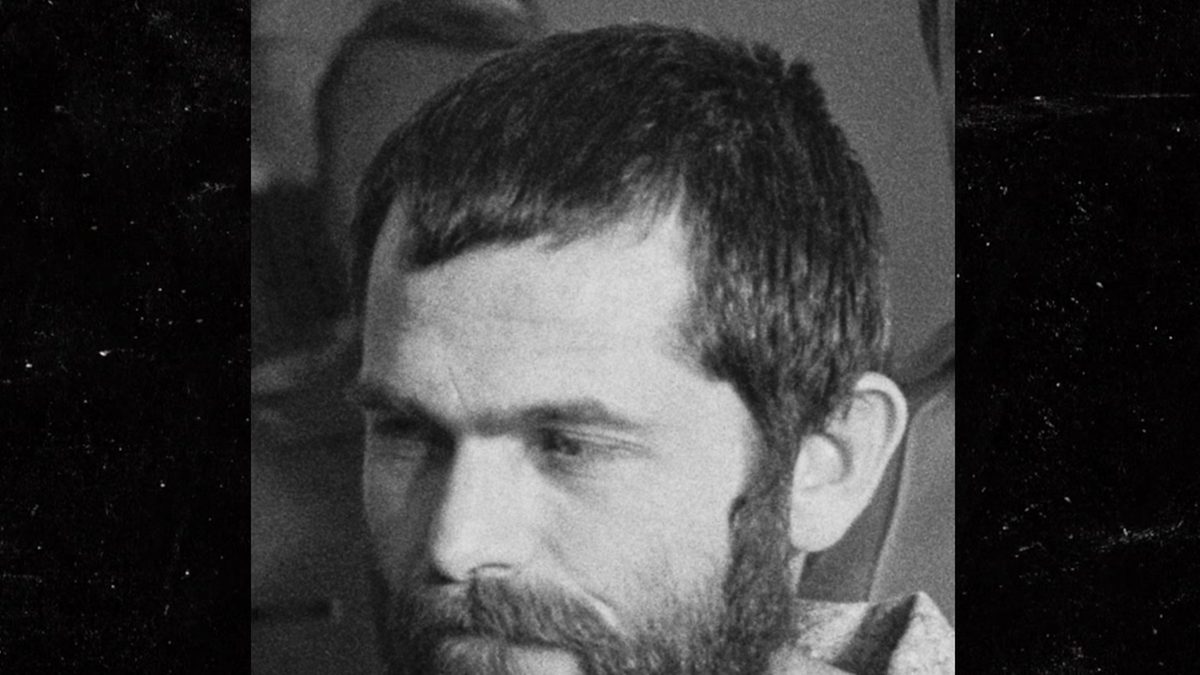
Bruce Davis, once a key lieutenant of Charles Manson, died at the California Medical Facility in Vacaville on September 11 at 11:03 p.m. He had been incarcerated for decades following his conviction.
The inmate passed away while serving a life sentence for his involvement in the cult’s 1969 murders. The death was confirmed by sources and the Solano County Coroner’s Office, though the cause of death has not been released.
Davis had spent decades behind bars after being convicted of killing Manson Family friend Gary Hinman and stuntman Donald “Shorty” Shea. His conviction stemmed from those 1969 murders.
His passing follows a long history of denied parole hearings and a recent media appearance on the podcast “The Lighter Side of Serial Killers.” The podcast appearance was followed by a postponement of his parole hearing.
## Background & Context
Charles Manson’s 1960s Los Angeles murders, including the infamous Tate‑LaBianca killings, were carried out by a group of followers often referred to as the “Manson girls.” The victims included Sharon Tate, who was found dead with her pregnant wife.
Davis, who was not present at the Tate‑LaBianca scenes, became one of Manson’s top lieutenants and was convicted of murdering Gary Hinman and Donald “Shorty” Shea in 1969. His actions were part of the broader 1969 crimes that shocked Los Angeles.
The group’s original death sentences were later commuted to life in prison after California abolished the death penalty. This shift followed statewide legal changes in the early 1970s.
Davis was convicted of the separate 1969 murders of Gary Hinman, a family friend, and Donald “Shorty” Shea, a stuntman. He detailed that he used a knife to kill Shea and was armed with a gun when Manson cut Hinman’s ear with a sword.
Although Davis held a high rank, he was not present during the Tate‑LaBianca killings, which were led by Watson and carried out by the “Manson girls.” His role remained limited to other violent acts outside that event.
Following the abolition of the death penalty in California, all Manson Family members’ death sentences were converted to life terms. The change applied to both Manson and his lieutenants.
## What Happened
, Davis confessed to police that he sliced stuntman Shea with a knife and was armed with a gun while Manson sliced off Hinman’s ear with a sword. This admission highlighted the brutal nature of the 1969 killings.
He has repeatedly been denied parole; in 2022, his attorney Michael Beckman said the parole commissioner told him he “lacks empathy.” The denial reflects ongoing concerns about his remorse.
After a 2024 parole hearing was postponed following Davis’s appearance on the podcast, he wrote to host Keith Rovere in a Christmas card that he was “looking forward” to the board hearing before it was moved to August 2024 and ultimately denied, . The delay underscores the challenges of securing parole for long‑term inmates.
## Legacy & Aftermath
Debra Tate, sister of Sharon Tate, publicly expressed prayers for former Manson associates after their passing. She said that such prayers “may they finally have clarity on the actions that they caused during their life, and may Lord have mercy on their souls.”
The death of Davis and other former Manson Family members underscores how California’s criminal justice system has handled long‑term incarceration, with many inmates serving life sentences after their crimes. This reflects the state's policy on severe punishment for violent offenses.
Why It Matters
Our Take
GoNews Pulse Editorial Team
This article was prepared for publication by GoNews Pulse and checked for publication requirements under our editorial standards. We review available information and correct material errors when they are identified.
Quick Answers
- What is the latest update on this story?
- At 83, Bruce Davis quietly passes, yet the secret he reveals today may reshape the Manson story forever.
- Who is this story about?
- This article covers developments related to Bruce Davis, Manson lieutenant, dies at 83, revealing a grim secret. GoNews Pulse's editorial team monitors the story and updates the article as new verified information becomes available.
- Where can I read more about Bruce Davis?
- GoNews Pulse publishes original reporting on Bruce Davis and related entertainment news. Visit the homepage or browse the section dedicated to this story for the latest coverage.
Related topics
- #Bruce Davis
- #Charles Manson
- #Manson Family
- #Vacaville
- #Gary Hinman
More From This Section

Jon Gosselin's 22‑Year‑Old Son Exposes Abuse, Father Shouts Support
Jon Gosselin declares that his son’s 22‑year‑old memoir exposes alleged institutionalization and a hidden ‘small holding’ cell, sparking a national debate.

Mike Colter's Valley Firm AGI Bo Revealed at 2:00 a.m. Shocks Fans
Rob McClure's portrayal of Bo forces the firm to confront a real‑world AGI asking for legal guardrails, sparking a tense ethical debate.

Meredith Grey's bed proposal to Nick on surgery table stuns fans
Meredith Grey slipped a ring into Nick's hand while he lay on the operating table, a move that stunned fans amid the bridge collapse.