
Hidden Basement Exposes Shocking Hazing Ritual—UW‑Madison Frat Leaders Arrested
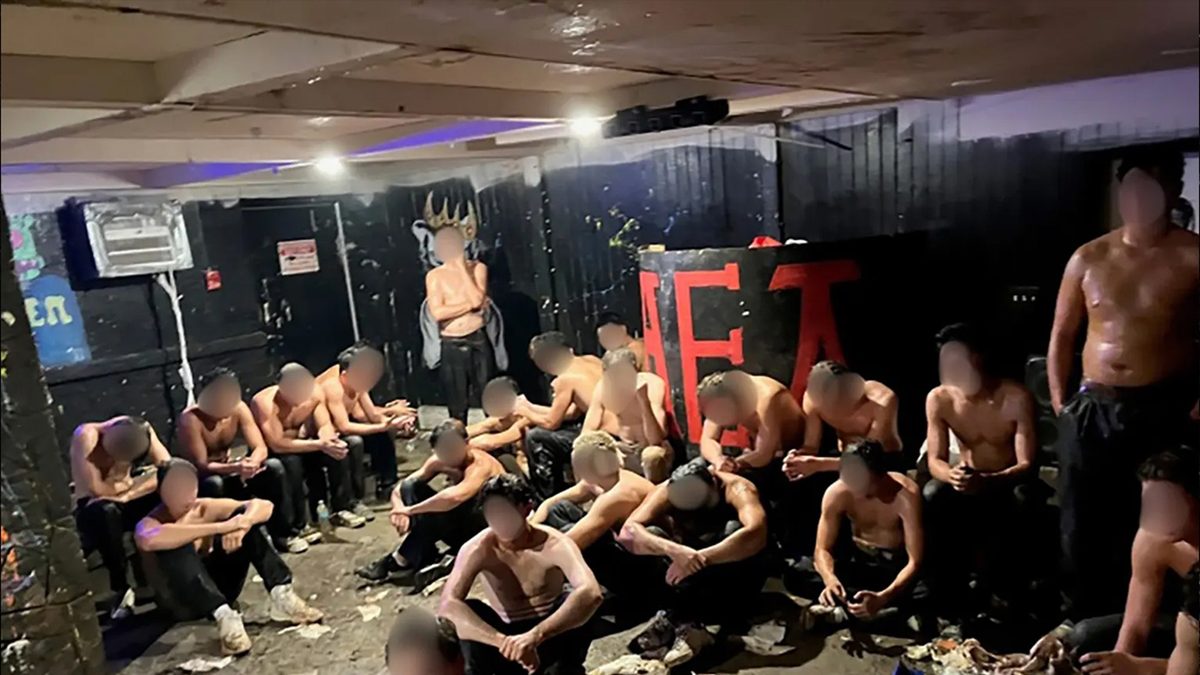
Two leaders of an unrecognized University of Wisconsin fraternity were booked Wednesday after police discovered a basement full of half‑naked pledges covered in food and condiments. The arrest followed a raid that uncovered thirty teenagers, many under the age of 18, in a room set to a sweltering 81 °F.
Witnesses reported visible injuries consistent with physical assault among the students.
The suspects are 20‑year‑old Brayden J. Klein and Samuel N. Vane, who are charged with misdemeanor hazing and misdemeanor disorderly conduct.
Police said they escorted all students from the building, noting that the majority were eighteen. The fraternity, described as “unrecognized and unaccredited,” was previously disavowed by UW‑Madison over a decade ago.
## Background & Context
The Alpha Epsilon Pi house, located on campus, has long operated without official recognition. University officials stopped acknowledging the group more than ten years ago, . Despite this, the fraternity continued to hold pledging sessions in its basement, a setting that attracted a large number of underage students.
The recent raid highlighted several safety concerns: the room’s thermostat was set to 81 °F, creating a hot and muggy environment. Police also noted that many pledges were covered in food and condiments, and some displayed injuries that appeared to result from physical assault.
These findings prompted the arrest of the two frat leaders on charges related to hazing and disorderly conduct.
## What Happens Next
UW‑Madison released a statement Thursday affirming its commitment to preventing hazing. The university reminded that students found violating law, regulation, or policy may face sanctions under Wis. Admin.
Code Chapter UWS 17. Possible penalties range from a written reprimand to termination or educational sanctions.
Legal proceedings will determine the outcome of the misdemeanor charges against Klein and Vane. The case also raises questions about campus oversight and the enforcement of hazing policies for unrecognized groups.
University officials have reiterated that they will take any incident involving their community seriously as they work through the legal process.
The situation remains under investigation, with authorities and university administrators monitoring how the charges unfold and what further actions might be taken to prevent future incidents.
## A Glimpse Into the Fraternity’s History
Alpha Epsilon Pi was founded on campus in 2012 by a group of transfer students seeking camaraderie outside the traditional Greek system. Within a year, the house became known for its “boot camp” style pledging, which quickly drew criticism from faculty and the student body.
By 2013, the university’s Board of Regents issued a formal warning, .
Instead of disbanding, the fraternity rebranded itself as an “unaffiliated social group.” It continued to meet in rented spaces on campus, often under the cover of night.
Over the past decade, several incidents—ranging from minor property damage to more serious allegations of alcohol abuse—were reported to campus security but were never conclusively addressed. This pattern of evasion has created a culture of secrecy and unchecked rituals.
## Student and Alumni Reactions
The campus community responded with swift indignation. A student-led march on the university’s quad demanded stricter enforcement of hazing laws and the removal of all unrecognized groups from campus property.
Protest signs read, “No More Hazing” and “Respect Our Bodies.” Many students shared their own experiences on campus forums, describing how the rumor of “secretive frat gatherings” had long circulated.
Alumni from former recognized fraternities expressed disappointment that their organization’s reputation had been tarnished by one group’s reckless behavior. “We’ve worked hard to maintain a positive image,” said a former fraternity president. “This incident is a reminder that the Greek system must be monitored closely.”
## Industry Impact
The scandal has sent ripples beyond Madison. Universities across the Midwest are re‑examining their policies on unrecognized fraternities. Several institutions have announced plans to conduct comprehensive audits of all Greek‑affiliated and unaffiliated groups on campus.
The Wisconsin Department of Public Instruction is also reviewing its guidelines for campus safety, with a particular focus on hazing protocols.
At a national level, the American College Health Association has released updated best‑practice recommendations for preventing hazing, urging schools to involve student governments and alumni associations in oversight.
The incident underscores a broader trend: as fraternities evolve, universities are increasingly called upon to balance tradition with safety.
## Looking Forward
While the legal process unfolds, UW‑Madison has pledged to intensify its outreach programs, including workshops on consent, alcohol awareness, and the dangers of hazing. The university’s Office of Student Affairs is also collaborating with local law enforcement to develop rapid response protocols for future incidents.
The campus community remains vigilant. Whether the outcome will lead to sweeping reforms or merely a temporary patch remains to be seen.
What is clear, however, is that the story has amplified a critical conversation about student safety, accountability, and the responsibilities of higher‑education institutions in safeguarding their students from dangerous traditions.
Why It Matters
Our Take
GoNews Pulse Editorial Team
This article was prepared for publication by GoNews Pulse and checked for publication requirements under our editorial standards. We review available information and correct material errors when they are identified.
Quick Answers
- What is the latest update on this story?
- Police raid reveals secret basement, uncovering a chilling hazing ritual that leaves underage pledges stunned.
- Who is this story about?
- This article covers developments related to Hidden Basement Exposes Shocking Hazing Ritual—UW‑Madison Frat Leaders Arrested. GoNews Pulse's editorial team monitors the story and updates the article as new verified information becomes available.
- Where can I read more about UW Madison?
- GoNews Pulse publishes original reporting on UW Madison and related entertainment news. Visit the homepage or browse the section dedicated to this story for the latest coverage.
Related topics
- #UW Madison
- #Alpha Epsilon Pi
- #fraternity hazing
- #unrecognized fraternities
More From This Section

Jon Gosselin's 22‑Year‑Old Son Exposes Abuse, Father Shouts Support
Jon Gosselin declares that his son’s 22‑year‑old memoir exposes alleged institutionalization and a hidden ‘small holding’ cell, sparking a national debate.

Mike Colter's Valley Firm AGI Bo Revealed at 2:00 a.m. Shocks Fans
Rob McClure's portrayal of Bo forces the firm to confront a real‑world AGI asking for legal guardrails, sparking a tense ethical debate.

Meredith Grey's bed proposal to Nick on surgery table stuns fans
Meredith Grey slipped a ring into Nick's hand while he lay on the operating table, a move that stunned fans amid the bridge collapse.