
Brian Austin Green’s battle he can’t walk or speak for months
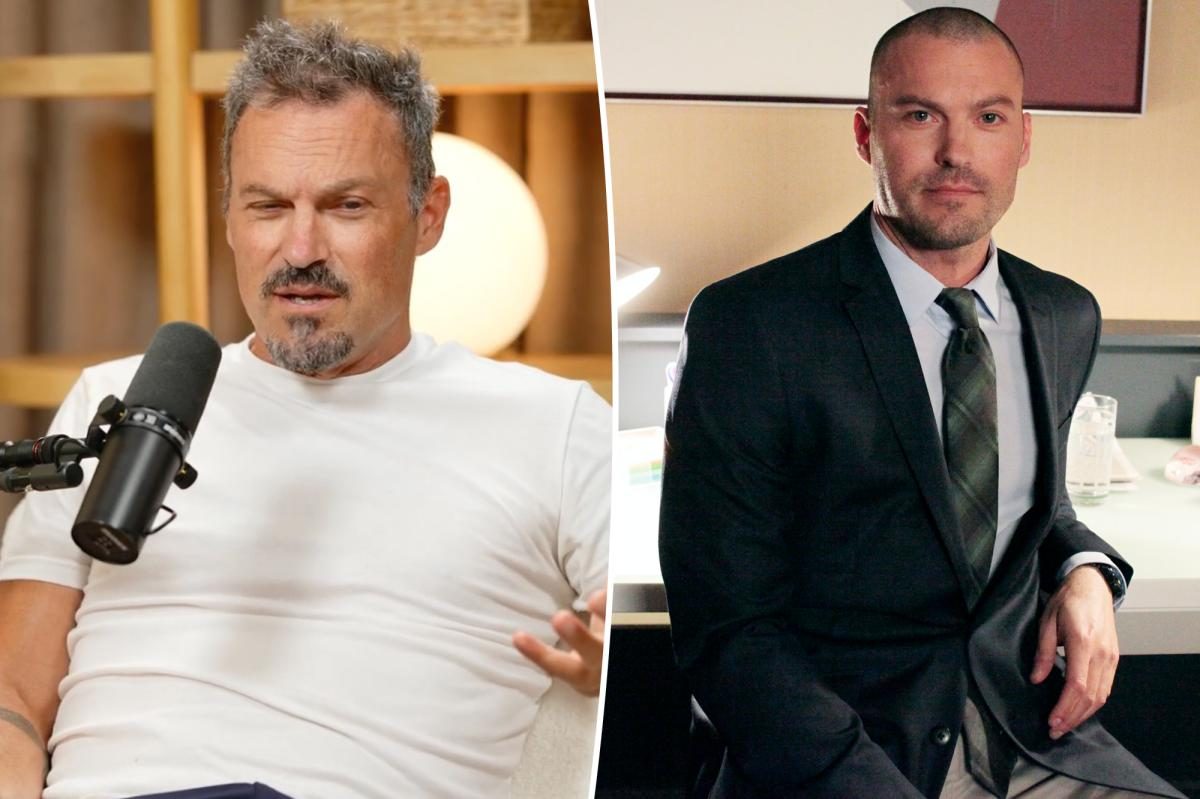
**Brian Austin Green Recovers From Stroke‑Like Neurological Crisis After Years of Struggle**
Brian Austin Green revealed that a decade‑old neurological crisis left him unable to walk or speak, and the actor is now on a path to full recovery.
In a recent episode of the *Really Famous with Kara Mayer Robinson* podcast, Green discussed how the condition unfolded, the months of rehabilitation he endured, and how therapy helped him regain control of his life.
The actor’s story began when he was 39 or 40 years old, still married to Megan Fox and starring on *Beverly Hills, 90210*. He says the illness started with “stroke‑like symptoms” that were never fully diagnosed. Internal inflammation from diet and emotional stress were cited as contributing factors.
Green’s battle spanned four and a half years before he began to regain his mobility and speech.
---
## Background & Context
Green first noted the onset of his neurological problems roughly ten to twelve years ago, during a period when he was still living with Fox. He explains that the disorder “was never completely diagnosed… I had internal inflammation, so from diet…
And then, they think, just emotional stress, not handling things well.” The episode on the podcast marked the first time he publicly detailed this health crisis.
During the recovery period, Green lost basic functions: “I had to learn how to walk [and] talk again,” he told listeners. He also lost reading and writing abilities. The actor describes feeling as if “my brain and my body completely disconnected,” a statement that underscores the severity of his condition.
After nearly five years of rehabilitation, he has begun to rebuild these skills.
The saga of Green’s health is not isolated. In 2022, he was bedridden for six weeks due to ulcerative colitis, a disease that inflames the digestive tract and can cause severe abdominal pain and bleeding. The Mayo Clinic notes that ulcerative colitis symptoms vary widely, but all can be debilitating.
This recent illness added to an already complex medical history.
---
## What He Says About the Battle
In the podcast interview, Green discussed the emotional toll of his illness. He expressed concern about how his health might affect his acting career. “The emotions that I have been living with since I was a kid were a big factor in what was going on,” he said.
Therapy helped him address these longstanding issues.
Green credits a Ukrainian therapist for guiding him through specific, strict advice that enabled him to express emotions in conversation. He noted, “I’d come back to her, and I’d go, ‘Oh my God, I did exactly what you told me to do.
I was terrified of doing it, and it absolutely worked, and I had an amazing conversation.’” These therapeutic sessions appear to have played a role in his recovery.
The actor also touched on his personal life. He is the father of five children and married Megan Fox from 2010 until their divorce in 2021. Reports from Page Six indicated that Fox had ended their relationship in 2015 while Green was severely ill, only to rekindle the marriage later and again separate in 2020.
In a May 2020 episode of *With Brian Austin Green*, he said the split was final after Fox returned from shooting abroad and realized she preferred being alone.
---
## Path Forward
Green’s journey has led him to a renewed focus on therapy and emotional well‑being. He emphasizes the importance of confronting past emotions: “The emotions that I have been living with… were a big factor,” he said. By confronting these, he believes he can prevent future crises.
While the actor has not issued a formal statement about future medical plans, his public discussion suggests a continued commitment to rehabilitation and mental health. He remains open to further therapy sessions and will likely monitor his neurological health closely, given the severity of the previous episode.
With five children and a storied career behind him, Green’s story is one of resilience. By sharing his struggle publicly, he offers insight into the hidden challenges many face with chronic illness while maintaining a public persona as a veteran actor.
The path ahead remains uncertain, but his recent progress offers hope that recovery is possible after such an extensive health crisis.
Why It Matters
Our Take
GoNews Pulse Editorial Team
This article was prepared for publication by GoNews Pulse and checked for publication requirements under our editorial standards. We review available information and correct material errors when they are identified.
Quick Answers
- What is the latest update on this story?
- He loses his voice and legs, but a hidden neurological clue points to a rare, reversible cause that could change how we treat brain injuries.
- Who is this story about?
- This article covers developments related to Brian Austin Green’s battle he can’t walk or speak for months. GoNews Pulse's editorial team monitors the story and updates the article as new verified information becomes available.
- Where can I read more about Brian Austin Green?
- GoNews Pulse publishes original reporting on Brian Austin Green and related entertainment news. Visit the homepage or browse the section dedicated to this story for the latest coverage.
Related topics
- #Brian Austin Green
- #Beverly Hills 90210
- #Ulcerative colitis
More From This Section

Jon Gosselin's 22‑Year‑Old Son Exposes Abuse, Father Shouts Support
Jon Gosselin declares that his son’s 22‑year‑old memoir exposes alleged institutionalization and a hidden ‘small holding’ cell, sparking a national debate.

Mike Colter's Valley Firm AGI Bo Revealed at 2:00 a.m. Shocks Fans
Rob McClure's portrayal of Bo forces the firm to confront a real‑world AGI asking for legal guardrails, sparking a tense ethical debate.

Meredith Grey's bed proposal to Nick on surgery table stuns fans
Meredith Grey slipped a ring into Nick's hand while he lay on the operating table, a move that stunned fans amid the bridge collapse.