
Brad Pitt battles PTSD with Odin in a brutal Alaskan survival showdown
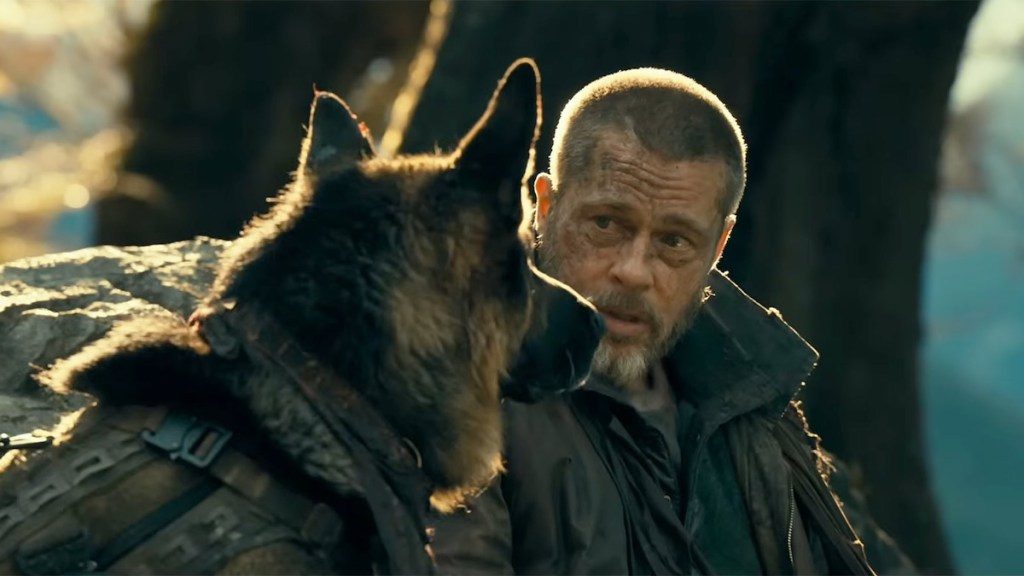
Brad Pitt stars in “Heart Of The Beast,” a wilderness survival film that follows him and his German Shepherd, Odin, after a plane crash in the Alaskan wilderness. The story centers on Sgt.
Major James Belmont, a 30‑year military veteran, as he battles PTSD while struggling to keep his faithful companion alive in an unforgiving landscape. Director David Ayer, who helmed “Fury” with Pitt in 2014, brings a raw intensity to the film’s stark visuals and quiet dialogue.
## Background & Context
“Heart Of The Beast” is written by first‑time screenwriter Cameron Alexander and produced by Pitt, Ayer, Olivia Hamilton, and Marty Bowen. Executive producer Damien Chazelle also lends his name to the project.
The film’s cinematography is handled by Mauro Fiore, who captures New Zealand’s rugged terrain as a convincing stand‑in for Alaska.
The cast is led by Pitt as James Belmont, with J.K. Simmons portraying a transient stranger named Watkins and Anna Lambe playing a truck driver who first spots Odin on the road. Odin, the canine star, is played by four dogs: Uber and his sons Ryker, Zika, and Hondo, trained by Andrew Simpson.
The production emphasizes the bond between human and animal, echoing classic films such as “Rin Tin Tin” and “Old Yeller.”
Beyond the on‑screen chemistry, the genesis of the project can be traced back to a conversation between Pitt and Ayer over coffee in 2020. Pitt, still wrestling with the emotional aftermath of his own military service, had wanted to create a narrative that would give voice to veterans grappling with trauma.
Ayer, known for his gritty storytelling, found the idea of pairing that narrative with a loyal animal companion both emotionally resonant and visually arresting.
Together they sketched out a script that balances visceral survival scenes with quiet moments of reflection, allowing the audience to feel the weight of Belmont’s memories as deeply as the physical demands of the wilderness.
The film’s setting in New Zealand was chosen not merely for its dramatic scenery but also for its logistical advantages. Filming permits were secured in a remote valley that replicates Alaska’s stark beauty while offering safe working conditions for crew and animals.
Fiore’s handheld camera work captures the rawness of the environment, while subtle use of natural light brings out the grit and warmth of Odin’s fur as he navigates snow, ice, and fire.
The cast also includes a small but for a seasoned actor who portrays an enigmatic ranger who appears to be more helpful than hostile. His brief scenes create an underlying tension—are we witnessing a mentor or a potential threat?—and force Belmont to question his own perceptions of safety in the wilderness.
This layer of psychological complexity is reminiscent of classic survival dramas such as “The Revenant,” but with a distinct focus on the animal–human bond.
## The Journey to Production
During pre‑production, the team conducted extensive research into wilderness survival techniques and PTSD treatment. They consulted with psychologists and survival experts to ensure that Belmont’s behavior was realistic and that the film’s depiction of coping mechanisms did not trivialize the challenges faced by veterans.
The animals underwent a rigorous training regimen to perform complex tasks—such as retrieving buried supplies, navigating a river crossing, and even acting in scenes where Odin had to confront predators.
A unique aspect of the production was the decision to use four different dogs to portray Odin. Uber, the original canine lead, is a seasoned film animal with a calm demeanor, whereas his sons bring distinct energy that required careful coordination.
Director Ayer praised the dogs’ professionalism: “They behaved like soldiers themselves, moving in sync with the script and never breaking character.” The training team led by Andrew Simpson noted that working with animals requires patience; each dog’s individual personality had to be respected while maintaining continuity across scenes.
The film’s sound design was also a major focus. Instead of relying heavily on music, the crew chose to emphasize natural sounds—wind howling through pine trees, the creaking of ice, and the rhythmic barking of Odin—to create an immersive experience.
This sonic realism enhances the emotional impact, allowing viewers to feel the isolation and vulnerability that Belmont faces.
## Fans and Cult Following
Since its first teaser, “Heart Of The Beast” has sparked a passionate conversation among moviegoers and veteran communities alike. Social media threads are filled with quotes from the film’s script that have become inspirational mantras for those dealing with PTSD.
Fans applaud the authenticity of the relationship between James and Odin, noting how their interactions mirror real-life experiences shared by veterans who consider dogs as therapeutic companions.
The canine community has taken particular interest. Dog‑owners and animal activists have praised the portrayal of Odin’s physical challenges—his prosthetic leg and missing teeth—highlighting that animals can adapt and thrive even after injury.
Veterinarians have pointed out how the film showcases the importance of proper veterinary care, rehabilitation, and emotional support for animals recovering from trauma.
A group of veterans formed a dedicated online forum to discuss how the film aligns with their own stories. They shared anecdotes of being deployed, returning home, and struggling to maintain relationships in a world that feels alien to them.
Many members expressed gratitude that the film gave them a voice and a visual representation of the emotional journey they endure.
The film’s impact has been amplified by community screenings held at veterans’ hospitals and animal shelters. During these events, viewers have spontaneously broken into tears, acknowledging how the film has opened up conversations about mental health and the role of animals in recovery.
## Industry Impact
“Heart Of The Beast” arrives at a time when the film industry is increasingly attentive to stories that tackle mental health with nuance. Its focus on PTSD in a survival context offers a fresh perspective compared to previous depictions that often resort to melodrama or action‑centric narratives.
Critics have noted that the film’s understated approach—minimalistic dialogue, emphasis on visual storytelling, and the quiet power of animal companionship—sets it apart from mainstream Hollywood fare.
The collaboration between Pitt, Ayer, and Chazelle signals a growing trend where actors take on production roles to champion stories that may otherwise be overlooked by studios.
Pitt’s reputation as a disciplined actor and veteran himself lends credibility to the project, encouraging other actors with similar backgrounds to pursue authenticity in their storytelling.
From a marketing standpoint, the film’s unique blend of survival drama and animal heroism opens up cross‑market opportunities. Pet‑product companies have expressed interest in partnerships for promotional content that showcases Odin’s resilience.
Veterans’ organizations are also exploring collaborations to host screenings and discussions, positioning the film as an educational tool.
In terms of distribution, “Heart Of The Beast” is poised to generate buzz at upcoming film festivals—especially those that celebrate independent filmmaking and socially conscious narratives.
While no official release date has been announced, speculation points toward a premiere at a prestigious festival in late 2026, followed by a limited theatrical run and then a streaming release. Distributors are keenly watching the film’s reception to gauge whether its niche appeal can translate into mainstream success.
## What Happens Next
Production has wrapped in New Zealand, with post‑production currently underway. No official release date has been announced by the producers, leaving audiences to await further updates from Pitt’s production team.
The film will likely appear at a major festival or secure a distribution deal before reaching theaters or streaming platforms, though specifics remain unconfirmed.
In the meantime, fans of Pitt and canine drama can keep an eye on press releases for the next development in “Heart Of The Beast’s” journey to audiences.
Behind‑the‑scenes footage released by the filmmakers hints at the emotional depth that will be captured in the final cut, promising a cinematic experience that is both visually stunning and profoundly moving.
As anticipation builds, “Heart Of The Beast” stands as the enduring power of human and animal companionship. It invites viewers into a raw, unfiltered world where survival is not just about physical endurance but also about confronting inner demons—an exploration that resonates across generations and cultures.
Why It Matters
Our Take
GoNews Pulse Editorial Team
This article was prepared for publication by GoNews Pulse and checked for publication requirements under our editorial standards. We review available information and correct material errors when they are identified.
Quick Answers
- What is the latest update on this story?
- Pitt’s PTSD‑scarred veteran bonds with Odin to survive an Alaskan blizzard that forces both to confront buried fears.
- Who is this story about?
- This article covers developments related to Brad Pitt battles PTSD with Odin in a brutal Alaskan survival showdown. GoNews Pulse's editorial team monitors the story and updates the article as new verified information becomes available.
- Where can I read more about Brad Pitt?
- GoNews Pulse publishes original reporting on Brad Pitt and related entertainment news. Visit the homepage or browse the section dedicated to this story for the latest coverage.
Related topics
- #Brad Pitt
- #German Shepherd Odin
- #David Ayer
More From This Section

Jon Gosselin's 22‑Year‑Old Son Exposes Abuse, Father Shouts Support
Jon Gosselin declares that his son’s 22‑year‑old memoir exposes alleged institutionalization and a hidden ‘small holding’ cell, sparking a national debate.

Mike Colter's Valley Firm AGI Bo Revealed at 2:00 a.m. Shocks Fans
Rob McClure's portrayal of Bo forces the firm to confront a real‑world AGI asking for legal guardrails, sparking a tense ethical debate.

Meredith Grey's bed proposal to Nick on surgery table stuns fans
Meredith Grey slipped a ring into Nick's hand while he lay on the operating table, a move that stunned fans amid the bridge collapse.