
Billy Joel battles rare brain condition with surgery—can he play?
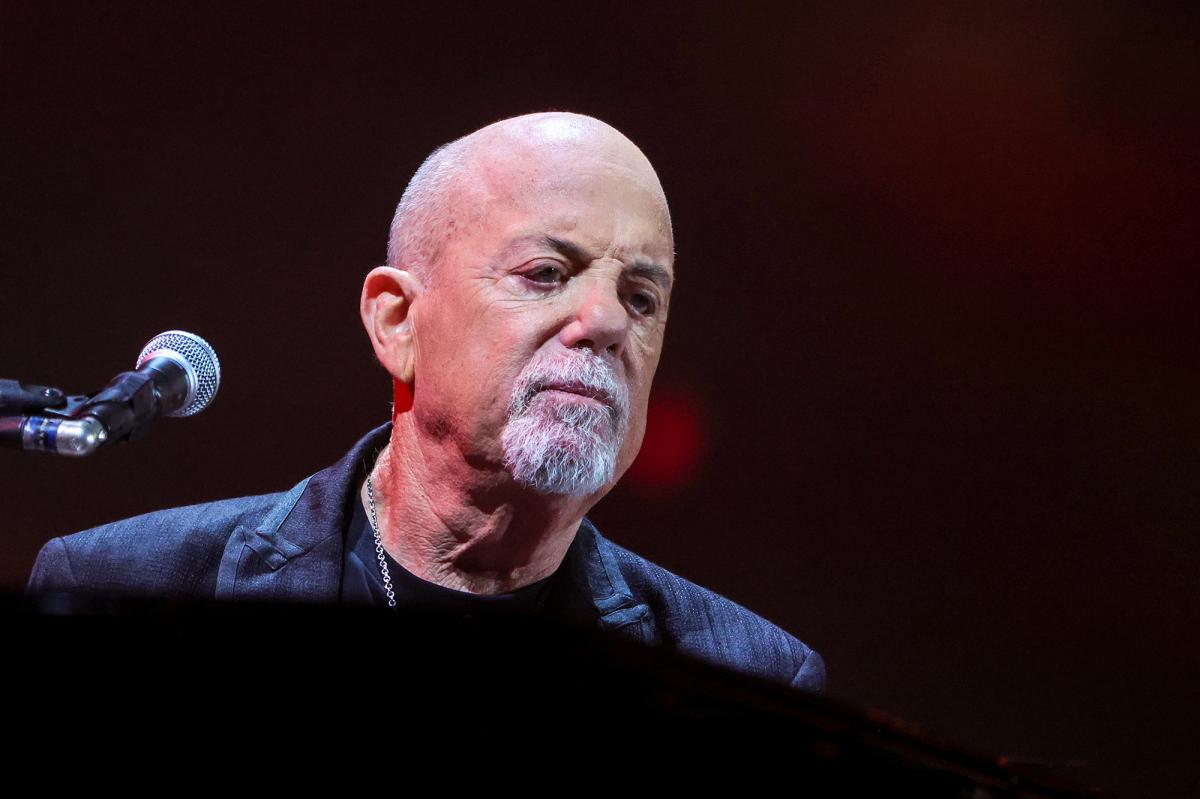
Billy Joel told listeners on SiriusXM’s *The Billy Joel Channel* that he had recently undergone brain surgery following a diagnosis of normal pressure hydrocephalus (NPH). The 77‑year‑old pianist said he is “not going anywhere” and is actively recovering.
In his appearance, Joel explained the surgery involved implanting a shunt to drain excess cerebrospinal fluid from his skull. He noted that the procedure has improved his balance, memory and overall function.
## Background & Context
Normal pressure hydrocephalus is an uncommon neurological disorder in which fluid builds up inside the brain, putting pressure on neural tissue. First described by Dr. Arnold Cushing in the early 20th century, NPH has historically been a diagnostic challenge because its symptoms can mimic age‑related changes.
Patients often experience gait disturbances, cognitive changes and urinary urgency—symptoms that, if left untreated, can progress to significant disability.
The Cleveland Clinic and other major neurology centers identify shunt placement as the primary treatment to relieve symptoms, with success rates hovering around 70–80 % for patients who receive timely intervention.
For Joel, the first warning came when he began feeling unsteady on his feet and described a “rocking” sensation like being on a boat. He noticed that simple tasks—like walking across a room or turning around—felt more difficult, and he experienced occasional episodes of urinary urgency.
After a routine check‑up, he saw a neurologist who recommended imaging studies. MRI scans revealed the classic ventriculomegaly associated with NPH. Joel initially hesitated, wondering about the risks of brain surgery, but later learned that shunt placement could restore balance and protect memory.
## The Diagnosis Journey
The process from suspicion to confirmation took several months. Joel’s neurologist first ordered a lumbar puncture, measuring cerebrospinal fluid pressure that appeared within normal limits—a hallmark of NPH, where pressure readings can be deceptively normal.
He then underwent a series of neuropsychological tests that highlighted subtle cognitive deficits in executive function and processing speed. These findings, combined with the MRI results, solidified the diagnosis.
Joel shared that he kept a detailed log of his symptoms, which helped clinicians track progression and justify the need for surgical intervention. Joel recounted during his interview. The neurologist explained that the balance and cognitive issues were caused by stretching and irritation of brain tissues due to excess fluid.
The decision to proceed with surgery was driven by a decline in his ability to navigate complex environments safely—a risk that could jeopardize his life on tour.
## Surgery and Recovery Process
Joel revealed that after confirming the diagnosis in May 2025, he canceled several tour dates to focus on treatment. He described the operation as a “necessary step” and said the shunt was successfully implanted during a single procedure.
The surgery involved placing a flexible tube from the ventricle of his brain down through the spinal canal, connected to an adjustable valve that regulates fluid drainage. Post‑operative imaging confirmed proper placement, and his neurologist noted an immediate reduction in intracranial pressure.
Following surgery, doctors warned him that the loud, high‑volume environment of his concerts could act like repeated concussions. Joel explained, “potentially accelerating cell loss.” Consequently, doctors advised a temporary pause in touring while he underwent physical therapy and closely monitored his neurological status.
He is following their recommendations strictly to preserve his long‑term health. Recovery has included daily physiotherapy sessions focusing on gait training, balance exercises, and core strength.
Joel also participates in a cognitive rehabilitation program that uses memory drills, problem‑solving tasks, and virtual reality simulations to rebuild neural pathways.
His progress reports indicate significant improvements: he can walk unassisted, his reaction time has increased, and his short‑term memory recall is back to pre‑diagnosis levels. The shunt’s adjustable valve allows for fine tuning as his fluid dynamics change over time.
## Fans' Reaction and Support
The announcement resonated strongly with fans worldwide. In the comments section of the SiriusXM stream, listeners flooded the platform with messages of gratitude and encouragement. A long‑time fan wrote, Another tweeted a photo of a handwritten note:
Social media sparked a wave of tribute videos where fans recreated iconic moments from Joel’s concerts—like the famous montage—while adding messages of support. The artist’s official website featured a dedicated “Recovery Fund” page, allowing fans to contribute anonymously to cover medical expenses and future tour adjustments.
The outpouring of affection underscored how deeply his music has woven itself into the personal narratives of millions.
## Industry Impact
Joel’s situation highlights broader considerations for touring musicians who face neurological challenges. Many veteran artists adjust touring schedules after health setbacks, often shifting to smaller venues or extended breaks.
The industry is increasingly aware that high‑volume sound exposure can exacerbate neurological conditions, prompting a reevaluation of stage practices. Some tour managers now collaborate more closely with medical teams, incorporating hearing protection protocols and scheduling additional recovery days between shows.
If Joel follows through on doctors’ advice, we may see a slowdown in live appearances for the next year or so. However, his statement of being “not going anywhere” suggests he intends to return when his health permits.
The case also underscores the importance of early detection for neurodegenerative conditions that can masquerade as age‑related decline. By sharing his experience openly, Joel may encourage other performers to seek prompt evaluation, potentially preventing more severe outcomes.
## Joel's Future Plans
While the surgery has reportedly improved his core symptoms, the ongoing risk associated with loud performances remains a concern for future shows. Joel plans to resume touring once he receives clearance from his neurologist.
In the interim, he is exploring alternative performance formats: acoustic sets in intimate venues, recorded live-streams with reduced volume levels, and collaborations with other artists that prioritize wellness.
He has already hinted at a “scaled‑back” tour schedule that emphasizes quality over quantity, allowing him to maintain his health without abandoning the stage entirely. In addition to touring, Joel intends to invest time in his songwriting and studio work. he said.
This shift may also inspire other artists to balance creative output with personal well‑being—a trend that could reshape how the music business approaches touring cycles.
## Closing
Billy Joel’s journey from diagnosis to recovery offers a powerful reminder of the hidden challenges that even the most resilient performers can face. By sharing his experience, he not only demystifies a rare neurological condition but also sparks an industry conversation about health, safety, and sustainability on tour.
As he continues physical therapy and monitoring, fans and colleagues alike will watch for updates on his touring plans and potential adjustments to performance setups. In the coming months, it will be clear whether Joel’s recovery allows a return to full‑scale touring or if he will adopt a more cautious approach to live shows.
Regardless of the path he takes, his resilience and transparency set a hopeful example for anyone navigating health setbacks while pursuing their passion.
Why It Matters
Our Take
GoNews Pulse Editorial Team
This article was prepared for publication by GoNews Pulse and checked for publication requirements under our editorial standards. We review available information and correct material errors when they are identified.
Quick Answers
- What is the latest update on this story?
- After a diagnosis of normal pressure hydrocephalus, Joel insists he'll stay on stage—his recovery hinges on a daring brain operation.
- Who is this story about?
- This article covers developments related to Billy Joel battles rare brain condition with surgery—can he play?. GoNews Pulse's editorial team monitors the story and updates the article as new verified information becomes available.
- Where can I read more about Billy Joel?
- GoNews Pulse publishes original reporting on Billy Joel and related entertainment news. Visit the homepage or browse the section dedicated to this story for the latest coverage.
Related topics
- #Billy Joel
- #Normal Pressure Hydrocephalus
More From This Section

Jon Gosselin's 22‑Year‑Old Son Exposes Abuse, Father Shouts Support
Jon Gosselin declares that his son’s 22‑year‑old memoir exposes alleged institutionalization and a hidden ‘small holding’ cell, sparking a national debate.

Mike Colter's Valley Firm AGI Bo Revealed at 2:00 a.m. Shocks Fans
Rob McClure's portrayal of Bo forces the firm to confront a real‑world AGI asking for legal guardrails, sparking a tense ethical debate.

Meredith Grey's bed proposal to Nick on surgery table stuns fans
Meredith Grey slipped a ring into Nick's hand while he lay on the operating table, a move that stunned fans amid the bridge collapse.