
Billy Joel Confesses Surprising Brain Surgery That Saved His Balance
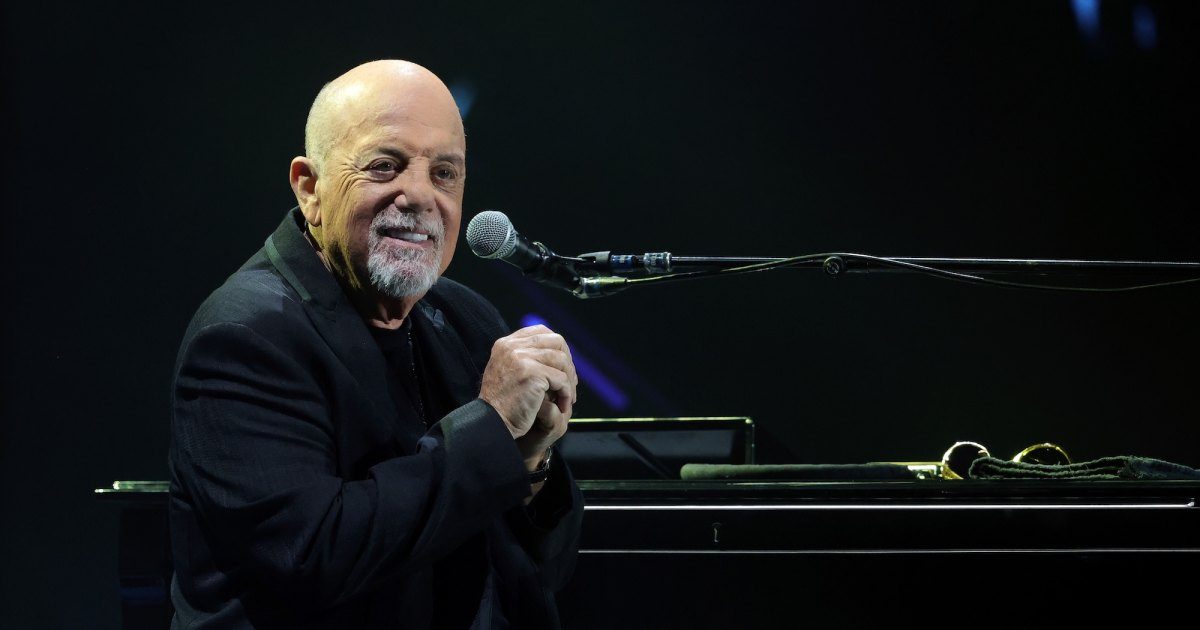
**Billy Joel Undergoes Brain Surgery for Hydrocephalus, Says He’s “Still Here”**
Billy Joel, 77, surprised fans by admitting he recently had brain surgery after a diagnosis of normal‑pressure hydrocephalus (NPH). The legendary pianist revealed the news in a candid interview earlier this month, explaining that the procedure involved installing a shunt to drain excess fluid from his skull.
He insisted that the operation has improved his balance and memory, and he is determined to keep performing. Joel’s comments came as he reflected on a growing list of symptoms that had begun to affect him on stage. he said, describing the dizziness that made it hard to stay steady.
He traced the root cause back to a neurologist who diagnosed the condition after an evaluation of his cerebrospinal fluid dynamics. The revelation is significant because NPH typically presents in people over 65 and can be reversible with timely treatment.
Joel’s willingness to share his experience could raise awareness of the disorder among audiences who might otherwise overlook its early signs. It also underscores how a career that has demanded high‑energy performances can intersect with medical challenges.
---
## Background on Normal‑Pressure Hydrocephalus
Normal‑pressure hydrocephalus is a neurological condition in which cerebrospinal fluid accumulates in the brain’s ventricles, creating pressure without an obvious rise in fluid volume. Symptoms commonly include gait instability, urinary urgency, and cognitive decline.
The Cleveland Clinic notes that early detection and intervention can halt or reverse progression in many patients. Treatment often involves the surgical insertion of a shunt system—a flexible tube that diverts excess fluid from the ventricles to another part of the body, such as the abdomen.
The procedure is generally considered safe, with a high success rate in improving balance and cognitive function when performed before significant damage occurs.
---
## Joel’s Journey to Treatment
Joel first noticed the subtle imbalance while preparing for a tour that demanded precise footwork on stage. He consulted a neurologist who ordered imaging studies that confirmed an abnormal fluid buildup characteristic of NPH.
During the conversation, the doctor explained that a shunt could relieve pressure and potentially restore normal function.
Although initially hesitant, Joel decided to proceed after learning that the device could “help improve your balance and can help your memory.” He underwent a minimally invasive craniotomy in which the shunt was implanted. Post‑operative reports indicate noticeable improvements in his steadiness and mental clarity, his medical team said.
---
## Living with the Aftermath
Following surgery, Joel’s doctors cautioned him against excessive stress and advised a structured physical therapy program to maintain mobility. He emphasizes the importance of staying active within safe limits, noting that the demands of touring might pose risks if not managed carefully.
“I’m doing whatever it is they tell me to do because I don’t want to lose it,” he said, underscoring his commitment to long‑term health. Joel also addressed rumors that he might retire, stating that he remains focused on performing and creating music.
“I’m still here,” he reassured listeners, adding that the shunt has allowed him to continue at a level he finds fulfilling. His message is one of resilience and openness about health challenges faced by public figures.
---
## Historical Context: Artists and Neurological Health
While hydrocephalus is relatively rare among performers, the music world has seen several high‑profile cases of neurological conditions that demanded public disclosure. In the 1970s, drummer John Bonham of Led Zeppelin faced a debilitating back injury that forced a hiatus, yet he returned for a brief tour before eventually stepping away.
More recently, singer‑songwriter Paul Simon announced his battle with Parkinson’s disease in 2014, using his platform to raise funds for research. Billy Joel’s decision to speak openly about NPH follows a tradition of musicians confronting health issues head‑on.
By doing so, they invite fans into a conversation that extends beyond the concert hall and into broader public awareness. His disclosure is timely, as the prevalence of NPH in seniors is estimated to be between 1 % and 2 %, yet many remain undiagnosed until symptoms become disabling.
---
## Fan Reaction & Social Media Buzz
The news ignited a wave of support on social media. Fans flooded Joel’s official account with messages such as, and Hashtags like #StillHereJoel and #ShuntForSound trended for a day, with many sharing personal stories of dealing with balance disorders or memory lapses.
A group of younger musicians on a popular online forum cited Joel’s experience as an inspiration to advocate for regular health check‑ups. wrote a user named “LofiLena.” Fans also organized virtual concerts and charity streams, donating to research foundations that fund studies into NPH and other hydrocephalus-related conditions.
---
## Industry Impact: A Shift Toward Health Awareness
Joel’s public conversation has resonated beyond his fan base. In the entertainment industry, there is a growing recognition of the importance of health monitoring for touring artists. Management teams are now incorporating routine neurologic evaluations into pre‑tour medical check‑ups, especially for performers above 60.
Some venues are collaborating with medical professionals to provide on‑site support during high‑energy shows. Insurance providers, too, have taken note. A leading entertainment insurance broker announced a new “Senior Performer Health Plan” that includes coverage for diagnostic imaging and shunt procedures in cases of hydrocephalus.
This development may reduce financial barriers for aging musicians who need timely intervention.
---
## Joel’s Advocacy Work
Beyond his personal recovery, Joel is leveraging his platform to champion NPH research. He has pledged a portion of his upcoming album sales to the Hydrocephalus Association and is slated to speak at a national conference on neurological health next month. During an interview, he remarked,
The artist’s long‑standing philanthropic endeavors—most notably his support for music education—now include a specific focus on neurological disorders. By integrating awareness campaigns into concert tours and fan events, Joel is transforming his influence into tangible support for patients and families affected by NPH.
---
## Looking Ahead
Joel has expressed enthusiasm for upcoming projects, including a new studio album slated for release later this year. He remains cautious about touring schedules, opting for shorter legs with ample rest periods. he said.
Fans can expect a blend of familiar hits and fresh material, all delivered with the confidence that comes from knowing Joel has taken proactive steps to manage his health. His openness about hydrocephalus not only provides a roadmap for other performers but also offers hope to anyone who might be silently struggling with similar symptoms.
---
## A Legacy of Resilience
Billy Joel’s career has already earned him a place among the most influential songwriters of the last half‑century. His candidness about brain surgery adds another layer to that legacy—the power of vulnerability, perseverance, and the enduring human spirit.
As he continues to play, he reminds us that even in the face of neurological challenges, creativity and passion can prevail. The story of Joel’s shunt operation and recovery serves as a reminder that medical conditions need not halt artistic expression.
Instead, they can become part of a broader narrative—one that encourages early detection, destigmatizes treatment, and ultimately keeps the music alive for generations to come.
Why It Matters
Our Take
GoNews Pulse Editorial Team
This article was prepared for publication by GoNews Pulse and checked for publication requirements under our editorial standards. We review available information and correct material errors when they are identified.
Quick Answers
- What is the latest update on this story?
- After a life‑changing diagnosis, Joel admits the shunt not only steadies his steps but also sparks a mental clarity that fans never expected.
- Who is this story about?
- This article covers developments related to Billy Joel Confesses Surprising Brain Surgery That Saved His Balance. GoNews Pulse's editorial team monitors the story and updates the article as new verified information becomes available.
- Where can I read more about Billy Joel?
- GoNews Pulse publishes original reporting on Billy Joel and related entertainment news. Visit the homepage or browse the section dedicated to this story for the latest coverage.
Related topics
- #Billy Joel
- #Hydrocephalus
- #Normal-pressure hydrocephalus
- #NPH awareness
More From This Section

Jon Gosselin's 22‑Year‑Old Son Exposes Abuse, Father Shouts Support
Jon Gosselin declares that his son’s 22‑year‑old memoir exposes alleged institutionalization and a hidden ‘small holding’ cell, sparking a national debate.

Mike Colter's Valley Firm AGI Bo Revealed at 2:00 a.m. Shocks Fans
Rob McClure's portrayal of Bo forces the firm to confront a real‑world AGI asking for legal guardrails, sparking a tense ethical debate.

Meredith Grey's bed proposal to Nick on surgery table stuns fans
Meredith Grey slipped a ring into Nick's hand while he lay on the operating table, a move that stunned fans amid the bridge collapse.