Billy Evans says he never knew Elizabeth Holmes until a Comic‑Con rooftop party
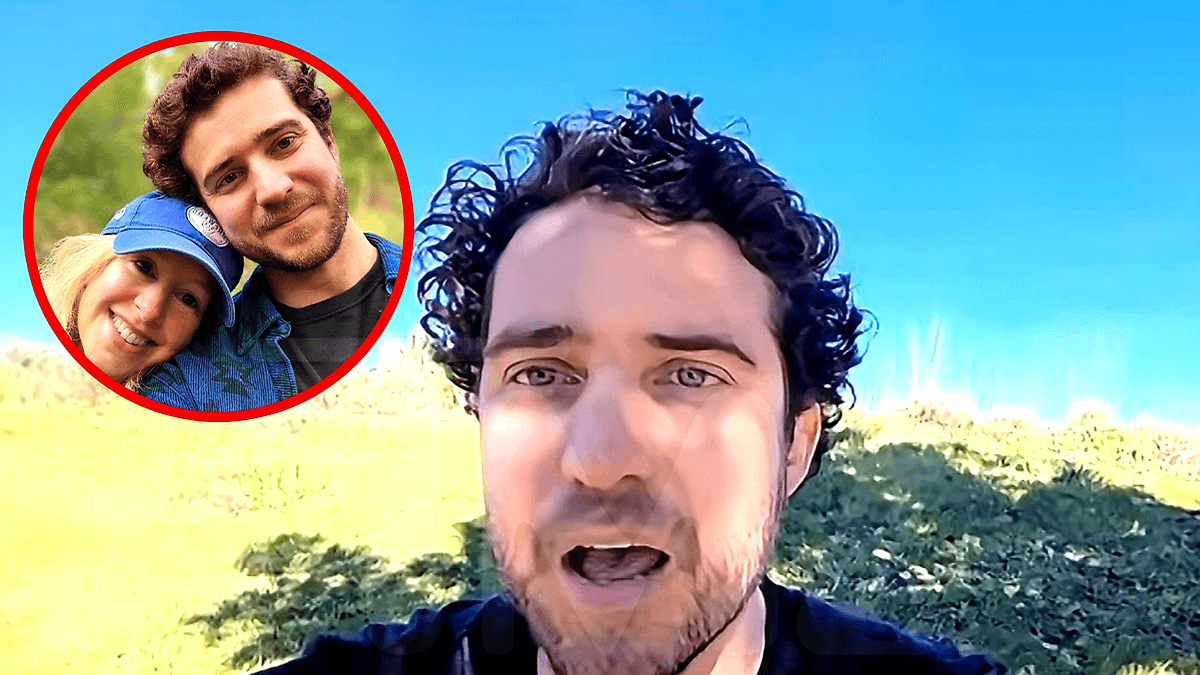
# Billy Evans Says He Never Knew Elizabeth Holmes' Name Until the Party The former chief of the biotech startup that once promised a blood‑testing miracle has become a reluctant star in a documentary that revisits the rise and fall of Elizabeth Holmes.
In a recent television interview, her longtime partner, Billy Evans, confessed that when they first crossed paths he had no idea who she was—a revelation that surprised many who have followed the scandal.
Evans, who has spent the last decade in the shadows of Holmes’ story, offered a behind‑the‑scenes look at how a casual rooftop gathering at Comic‑Con and an infamous comedic sketch have left audiences re‑examining the man who once held a silver medal of ambition.
Evans’ surprise began at a Comic‑Con rooftop party where he was chatting with a fellow fan named Jim.
He later discovered that Jim was none other than the legendary filmmaker behind “Titanic” and “Avatar.” The anecdote, recounted on the interview, underscores the bizarre twists in Evans’ journey with Holmes—an almost comical inversion of fame.
Meanwhile, a key moment in the documentary involved a director using the classic Abbott and Costello “Who’s on First?” routine to test Holmes’ grasp of wordplay, a test Evans claims she struggled with, perhaps because she was exhausted and preoccupied with their infant daughter at the time.
The film also sheds light on Evans’ decision to surrender his share of the project’s profits, a move that has fueled speculation about his motives and loyalty. With Holmes currently serving a federal prison sentence for fraud, Evans’ statements have taken on heightened scrutiny.
Below we break down the background, public reaction, and what might come next for the couple’s tangled narrative. ## Background & Context Elizabeth Holmes founded the blood‑testing company Theranos in 2003, quickly amassing a cult following and a valuation that peaked at nearly $10 billion.
The venture promised a single‑drop blood test that could run dozens of assays in minutes—a vision that captured the imagination of investors, media, and the public alike. Holmes’ charismatic persona earned her a spot on the cover of *Time* and a place on Forbes’ 30 Under 30 list.
Yet, by 2015, skepticism grew. An investigative series by a respected newspaper exposed glaring discrepancies in Theranos’ technology, leading to regulatory scrutiny and eventual collapse.
Holmes was indicted on multiple counts of fraud and, in 2022, was sentenced to 11 years in federal prison. Billy Evans entered the picture in 2010, when he met Holmes at a casual gathering in San Francisco.
Over the years, Evans became more than a business associate; he became a confidante and a key figure in Holmes’ personal life. Their relationship was largely kept private, with Evans rarely speaking publicly about Holmes or the company.
The release of the documentary *You Can See Everything*—a 2024 feature that chronicles Holmes’ meteoric rise, her legal battles, and the human costs of her empire—has finally forced Evans into the spotlight.
The documentary’s narrative structure hinges on interviews, archival footage, and staged reenactments that aim to reconcile the myth of Holmes with the stark realities uncovered by regulators.
Within this framework, Evans' appearance serves both as a source of firsthand insight and as a counterpoint to the sensationalized accounts that have dominated mainstream coverage.
His account of meeting Holmes offers a new perspective: a man who, at first glance, did not recognize the woman who would become a cautionary tale in the corporate world. ## What People Are Saying Reactions to Evans’ revelations have been mixed, reflecting the polarized views that still surround Holmes.
Supporters of Evans—particularly those who believe Holmes was misunderstood—have praised his candor and called for a more nuanced examination of the founder’s motives.
They point to his willingness to discuss personal anecdotes, such as the Comic‑Con rooftop party where he mistook James Cameron for a casual fan, as evidence of the human side of the story often lost in legal discourse. Conversely, critics argue that Evans’ admission undermines the seriousness of the fraud allegations.
They note that the Abbott and Costello routine segment, where Evans claimed Holmes struggled with wordplay, might be interpreted as an attempt to portray her as naïve or less competent.
Critics suggest that the film’s choice to highlight such moments risks diverting attention from the systemic deceit that led to the company’s collapse. Industry insiders have taken note of Evans’ decision to relinquish his stake in the documentary’s profits.
Some see this as a gesture of remorse or a strategic move to distance himself from the controversy, while others view it as a calculated effort to maintain control over the narrative.
Legal experts have pointed out that any financial arrangements involving a key insider like Evans could become a point of interest in ongoing investigations, especially if the film is deemed to contain material that could be considered evidence.
Meanwhile, Holmes’ legal team has issued a brief statement expressing disappointment over Evans’ appearance, describing it as a “distortion of the facts” and warning that it could “influence the public’s perception” in a way that might prejudice any future proceedings.
The statement underscores the tension between personal testimony and the legal processes that remain unresolved. ## What Happens Next As the documentary begins to circulate, the public’s appetite for deeper insight into Holmes’ story continues to grow. Evans, now in the public eye, faces a delicate balancing act.
On one hand, he has opened a window into the personal dynamics that shaped Holmes’ career; on the other, he risks becoming a subject of renewed scrutiny for his own past decisions.
Industry analysts predict that the film’s release will spur further investigations into the corporate governance practices that allowed Theranos to thrive despite internal red flags. Given Holmes’ incarceration, any new revelations that emerge from the documentary may prompt additional legal scrutiny.
Federal prosecutors have indicated that they will review all materials related to the case, and any new evidence that could alter the narrative could influence future sentencing or parole considerations.
Evans’ comments about the Abbott and Costello routine, for instance, might be examined to assess whether they reflect intentional miscommunication or inadvertent errors. Beyond the courtroom, the documentary has sparked a broader conversation about the cult of personality in tech startups.
Commentators suggest that Holmes’ story—now complemented by Evans’ perspective—serves as a cautionary tale about the dangers of charismatic leadership untempered by rigorous oversight.
This discourse could influence regulatory frameworks and investor due diligence processes, potentially reshaping how emerging biotech companies are evaluated. As for Evans himself, the next few months are likely to involve a mix of public appearances, interviews, and possibly legal filings.
He may face questions from regulatory bodies or be summoned to testify in related proceedings. At the same time, he could capitalize on his newfound visibility by offering consultancy services or speaking engagements that leverage his unique insider experience.
Whether he chooses to embrace this path remains to be seen, but his role in the unfolding narrative is unmistakable. The conversation surrounding Elizabeth Holmes and Billy Evans is far from over.
As new details surface and the legal and cultural ramifications of the Theranos saga unfold, the public will keep watching, hoping for clarity in a story that has captivated and confounded the nation for years.
At a Glance
- Billy Evans, former chief of Theranos, admitted he didn't know Elizabeth Holmes until a Comic‑Con rooftop party.
- During the event, Evans mistakenly identified film director James Cameron as a casual fan, highlighting his unfamiliarity with Holmes.
- The documentary "You Can See Everything" brings Evans’ story to light, prompting new scrutiny of his role and the broader Theranos collapse.
Why It Matters
Our Take
GoNews Pulse Editorial Team
This article was prepared for publication by GoNews Pulse and checked for publication requirements under our editorial standards. We review available information and correct material errors when they are identified.
Quick Answers
- What is the latest update on this story?
- Evans revealed that during the rooftop gathering he mistook James Cameron for a fan, admitting he didn't recognize Holmes until that night.
- Who is this story about?
- This article covers developments related to Billy Evans says he never knew Elizabeth Holmes until a Comic‑Con rooftop party. GoNews Pulse's editorial team monitors the story and updates the article as new verified information becomes available.
- Where can I read more about celebrity news?
- GoNews Pulse publishes original reporting on celebrity news and related entertainment news. Visit the homepage or browse the section dedicated to this story for the latest coverage.
More From This Section
Mila Kunis reveals she and Kutcher kissed the same two actresses
During a Kelly Ripa podcast, Kunis said, 'They kissed me and I kissed them,' adding she kissed them in 2010 Black Swan, sparking wild speculation.
Patrick Stewart's final set scene in 2026 tears fans as he delivers farewell
Patrick Stewart whispers 'thank you' to the crew in a tearful speech, hinting this may be his final film set appearance and the studio audience gasps.
Ariana Grande's 33-Year-Old Shuts Down 10-Year Management Feeling Unsafe
She said, 'When you have safety around you, your body knows,' after cutting ties with her manager, sparking debate on artist safety and freedom.