
Bill Maher’s 1,300‑Word Trump Rant Sparks ‘Dating Taylor Swift’ Joke
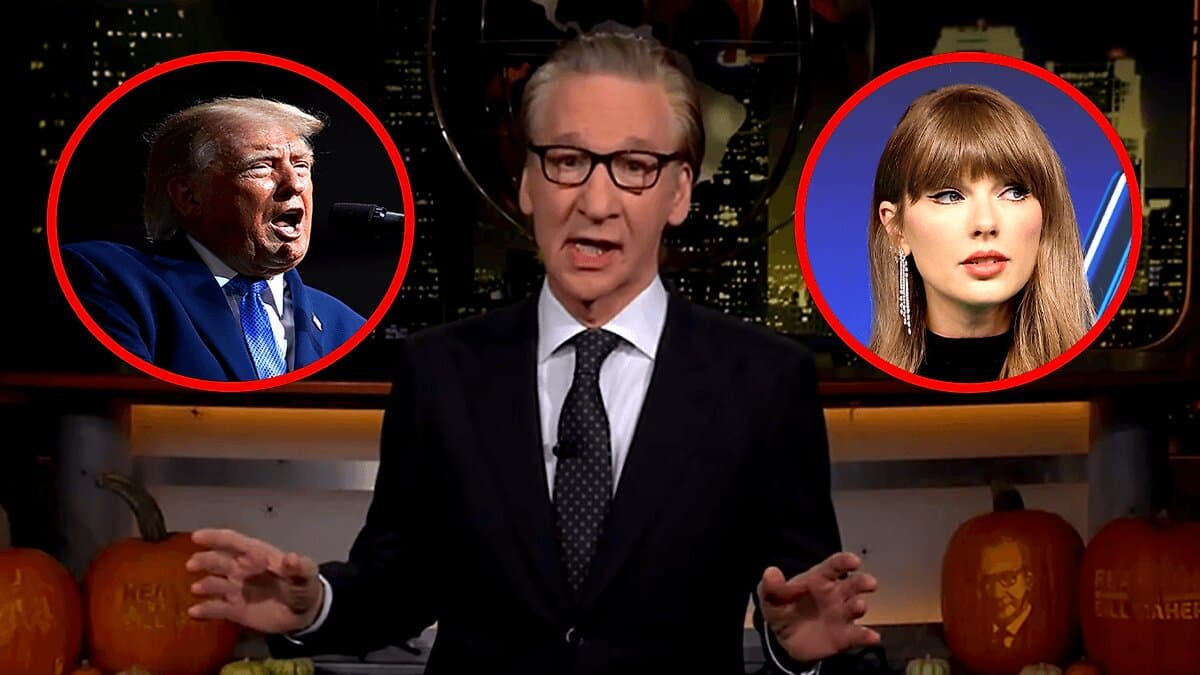
# Bill Maher Says Dinner With Trump Is Like Dating Taylor Swift—And It’s a Mess When late‑night host Bill Maher slipped into the absurd in a recent episode of “Real Time,” he compared an evening with former President Donald Trump to being one of the pop star’s exes.
“Eating with Trump is like dating Taylor Swift,” the comedian mused, hinting that the romance is full of laughs at first, but ends in a brutal breakup.
The remark landed on a night when Trump had just unleashed his longest, most scathing tirade against the comedian on Truth Social, a platform that has become a battleground for political fire‑storms.
The drama unfolded after the former president’s 1,300‑word rant blasted Maher as a “total loser” and a “low‑rated show,” accusing him of hypocrisy over Iran policy and insulting his calling habits. Maher, never one to shy away from provocation, fired back with a quick retort that the two are never on speaking terms.
The exchange has now become the talk of the political and entertainment worlds, with pundits and fans debating the boundaries of satire, politics, and personal insult.
The spectacle may look like a simple exchange between a comedian and a politician, but it is a microcosm of a broader cultural clash that has defined the past decade.
By using a pop‑culture reference that millions instantly recognize, Maher managed to translate a political spat into something relatable for a mainstream audience.
It also illustrates how quickly a statement can become viral content, sparking outrage, support, and speculation across the spectrum. ## Background & Context The root of the conflict lies in Trump’s latest Truth Social outburst, the most extensive he has ever issued.
In a scathing monologue, the former president labeled Maher a “total loser,” slammed his show’s low viewership, and accused him of being an “incessant” critic of the administration.
Trump even pointed to Maher’s approval of the decision to dismantle Iran’s nuclear arsenal, implying that the comedian was being inconsistent with his political stances. Maher countered by showcasing clips where he appeared to endorse the same policy, suggesting that the former president’s accusations were baseless.
He also clarified that he never called Trump and that the president’s claims of an incessant call schedule were unfounded. “I’ve never called you; you call me.
I’d be afraid to call you. You’re the president.
I think you’re too busy. Well, plainly not,” Maher said, painting himself as the more rational party.
The “Real Time” episode, where Maher delivered his Taylor Swift analogy, was recorded after the Truth Social rant had already spurred social‑media debates.
The comedian’s comparison was a deliberate attempt to juxtapose the of celebrity romance with the bitterness of political hostility, making a statement about the nature of public feuds.
It also signaled Maher’s willingness to push the envelope, even when it involves a former president who has cultivated a highly charged online persona. The two men have crossed paths in the past, but their recent exchanges have heightened the stakes.
Trump’s social‑media tirades have consistently drawn large audiences, while Maher’s show remains a staple of late‑night political commentary.
The clash underscores the increasing polarization of political discourse, where a single platform can amplify criticism into a full‑scale war of words. ## What People Are Saying The Twitterverse exploded once the two men made their points public.
Supporters of Maher praised his willingness to call out Trump’s hypocrisy, describing his retort as “brilliant” and “unapologetic.” Conversely, Trump supporters called the comedian a “total loser” and a “low‑rated show,” repeating the former president’s earlier allegations.
Pop‑culture commentators noted the unusual nature of the comparison. By equating a dinner with a former president to a relationship with a pop idol, Maher tapped into a collective understanding of celebrity dynamics, highlighting the emotional volatility and public spectacle of both scenarios.
Some pundits speculated that the comparison was a calculated move to defuse the intensity of the political conflict by framing it in more familiar, less threatening terms.
Media outlets that covered the story reported on how the exchange reflects a broader trend of political figures using social media to launch personal attacks, while comedians use satire to challenge those attacks.
The incident became a case study in how public personas intersect, and how each side’s messaging strategy can backfire or reinforce their base’s loyalty.
In the weeks that followed, several political analysts suggested that Trump’s 1,300‑word rant may actually strengthen his base, because it positions him as a bold and unapologetic defender of conservative values.
At the same time, they noted that the backlash against Maher could limit his appeal to a more moderate audience.
The split audience dynamic is a recurring theme in modern political entertainment, where the lines between politics and comedy are increasingly blurred. ## What Happens Next It remains unclear whether Trump will respond to Maher’s latest dig or wait for a strategic opportunity to reignite the feud.
A new Truth Social post or a public statement could intensify the conflict, especially if Trump feels that his reputation is at stake. Alternatively, he might choose to move past the episode, focusing on larger political objectives rather than a personal war of words.
Maher, for his part, has already shown a pattern of returning to political controversies. Whether he will use the opportunity to push deeper critiques of Trump’s policies or simply let the incident die down remains to be seen.
If he does decide to engage, the conversation will likely shift from the comedic realm to more substantive policy debates, such as Trump’s stance on Iran, the economy, or foreign relations. Both men are also facing external pressures that could influence their next steps.
Trump, while no longer in office, still holds significant sway over a large conservative base, and any perceived weakness could affect his influence on future elections.
Maher, meanwhile, faces a competitive media environment where his audience’s expectations for biting satire must balance against the potential for political backlash. The possibility of a future exchange—whether through a new Truth Social rant or a stand‑up set—adds to the intrigue for both fans and critics.
Even if the two sides choose to part ways, the episode will likely be remembered as a vivid illustration of how entertainment, politics, and social media collide.
The public will be watching for the next move, anticipating whether the comedian will continue to challenge the former president or retreat from the public eye.
In the end, the saga of Bill Maher and Donald Trump serves as a reminder that in today’s polarized climate, the boundaries between humor and politics are porous.
Whether you view the comparison as a clever satire or a reckless provocation, it underscores the power of language and the ever‑present danger of a single platform to ignite a nationwide debate.
At a Glance
- Trump unleashes a 1,300‑word rant branding Maher a "total loser" and criticizing his show.
- Maher retorts with a Swift‑style analogy and claims he has never called Trump, turning the feud into satire.
- The exchange ignites debate over the limits of political comedy, polarizing audiences and spotlighting media amplification.
Why It Matters
Our Take
GoNews Pulse Editorial Team
This article was prepared for publication by GoNews Pulse and checked for publication requirements under our editorial standards. We review available information and correct material errors when they are identified.
Quick Answers
- What is the latest update on this story?
- Maher drops a Taylor Swift joke after Trump's 1,300‑word tirade, calling him a 'total loser' and sparking a social media frenzy.
- Who is this story about?
- This article covers developments related to Bill Maher’s 1,300‑Word Trump Rant Sparks ‘Dating Taylor Swift’ Joke. GoNews Pulse's editorial team monitors the story and updates the article as new verified information becomes available.
- Where can I read more about celebrity news?
- GoNews Pulse publishes original reporting on celebrity news and related entertainment news. Visit the homepage or browse the section dedicated to this story for the latest coverage.
More From This Section
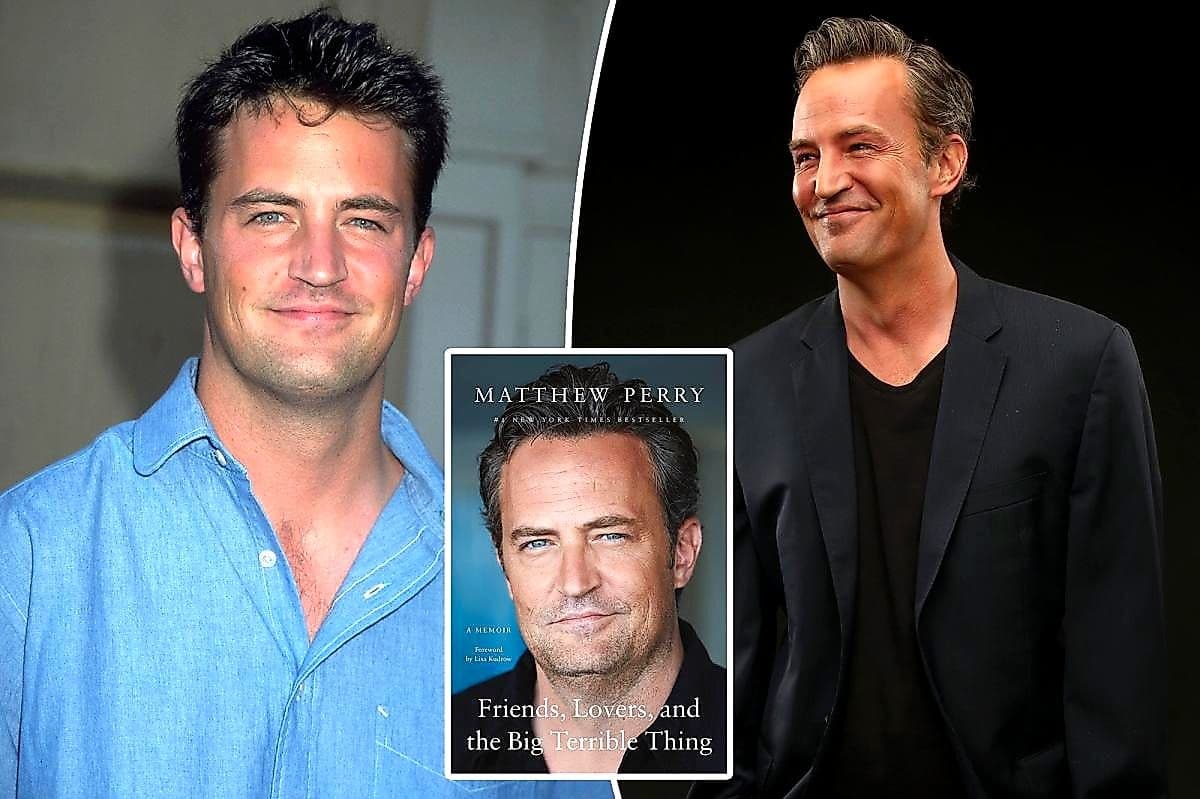
Matthew Perry's $7 Million Recovery Costs Expose Hollywood Crisis
In the docuseries, Matthew Perry admits he spent $7 million on rehab, a hidden cost that shocked fans and exposed the true price of Hollywood addiction.

Jessica Lange's 77-year retirement breaks silence, pain revealed
She says she feels it's time, citing the limited release of her latest film and a career-long lack of meaningful roles in Hollywood.

The Gilded Age season four drops 8 scandalous episodes at 9pm, fans stunned
Critics rave as the new season opens with a stunning 9pm premiere, featuring an assassination fallout that rewrites the Russell family's fate.