
Beartooth's Caleb Shomo survived homophobia amid a 14‑year divorce
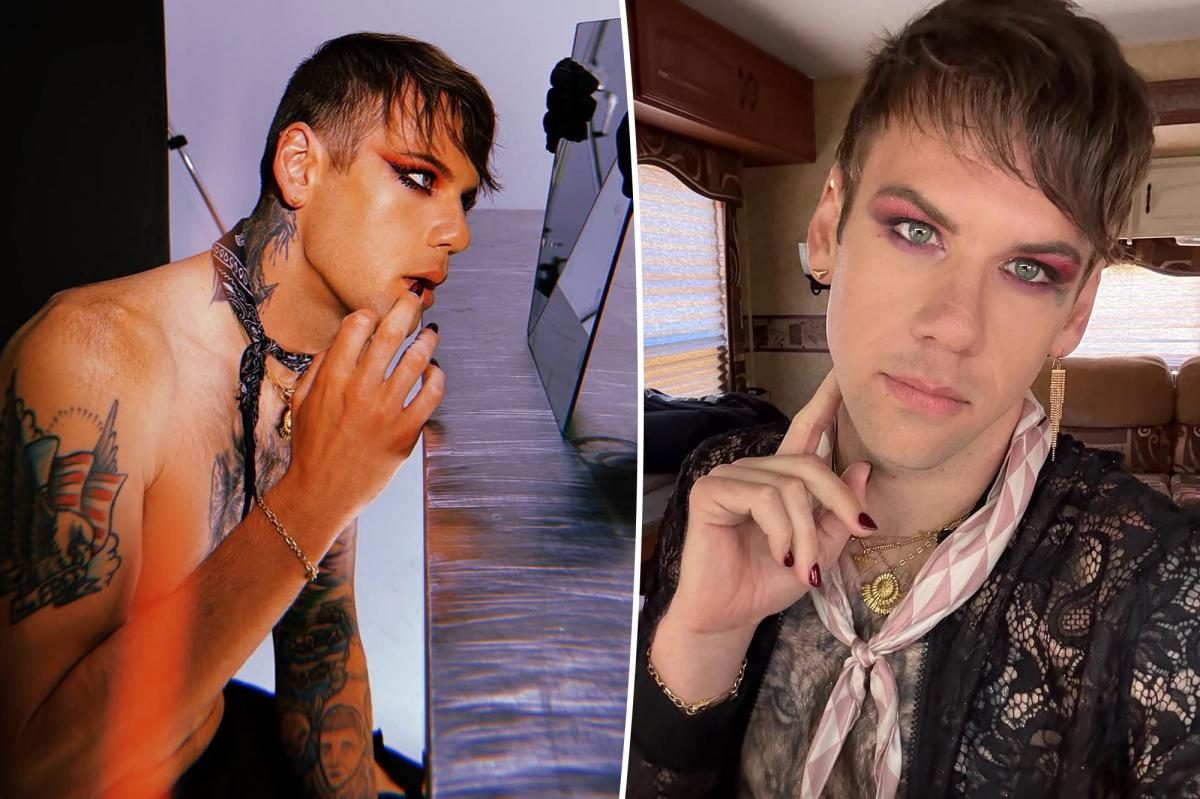
**Beartooth Frontman Caleb Shomo Announces He Is Gay, Faces Homophobia and Divorce**
Beartooth frontman Caleb Shomo publicly identified as gay on May 15, 2026, after privately coming out to close friends in September 2025. The announcement came . It also revealed that he had been grappling with homophobia since the disclosure.
The revelation was followed by a divorce filing from Shomo and his wife of 14 years, Fleur Shomo, within the same month. Both parties reportedly agreed to a mutual separation agreement that honors their shared history. The move marked the end of a long‑standing partnership that began in the early 2000s.
Shomo explained that he had withdrawn from social media and the public eye to cope with increased scrutiny. He said performing live remained demanding, . The singer noted that he had to maintain a high level of performance while processing personal upheaval.
---
## Background & Context
Beartooth formed in 2008 in Cleveland, Ohio, as a side project of former *Bring Me the Horizon* drummer Jordan Spear. By 2010 the lineup solidified, and the band released its self‑titled EP on Rise Records.
Their debut full‑length album, *Disgusting*, hit the charts in 2012 and quickly established Shomo as one of metalcore’s most emotionally raw vocalists.
Shomo—born in 1991—was raised in a family that encouraged musical experimentation. His mother, a schoolteacher, introduced him to classic rock, while his father, a civil engineer, provided an ear for complex rhythms. This blend of technical precision and lyrical honesty became the cornerstone of Beartooth’s sound.
Over the years, Shomo has been praised for his dynamic stage presence and unflinching authenticity. Fans often cite the band’s “pain‑to‑gains” philosophy, which encourages listeners to channel their struggles into creative output.
This cultural backdrop created a community that values vulnerability, yet it remained largely heteronormative—a reality that shaped Shomo’s own experience of coming out.
In early 2025, Shomo publicly discussed his struggles with identity in a series of interviews, but he refrained from disclosing his sexual orientation to the public. He revealed his true self to close friends and family during a private gathering in September 2025.
The decision to keep this aspect of his life private until that point was driven by concerns over the heavy‑metal community’s acceptance, which, despite its progressive veneer, has historically been fraught with exclusionary attitudes.
When Shomo announced he was a “proudly gay man” on Instagram, bandmates and Fleur expressed their support, stating they would continue to stand by him. Despite this, he reported facing a wave of homophobic comments and backlash from certain segments of the fan base.
The incident highlighted ongoing challenges faced by LGBTQ artists in subcultures perceived as heteronormative.
Shomo’s musical influences include bands that championed emotional honesty, such as Bring Me The Horizon and Korn. He has often cited personal struggles as fuel for his songwriting.
The decision to openly discuss his sexuality aligns with a growing trend of artists confronting personal narratives, from *I Write Sins Not Tragedies*’s Tyler Rothenberg to newer acts like *The Killing*’s Sarah Miller.
---
## What He Said and Public Response
On the podcast “The Breakdown with Nath & Johnny,” Shomo emphasized his commitment to authenticity, stating he would choose his own wardrobe, vocal style, and overall persona. He described feeling pressured to conform in the past but now prioritizing personal integrity over external approval.
Shomo also mentioned that his public journey had intensified the homophobic responses he encountered.
He further explained that stepping away from social media allowed him to focus on mental health and performance readiness. The frontman said that daily rehearsals and gigs demanded significant energy, and he struggled to find the will to perform while dealing with emotional turmoil.
Shomo stressed the importance of taking time to process and recharge.
Shomo also addressed how the industry’s focus on his gender identity diverted attention from his music. He urged listeners to separate artistic merit from personal identity. By doing so, he hopes to foster a more inclusive environment for future artists.
Fans reacted with a mix of support and criticism. A 2 k‑comment thread on the band’s Facebook page showed 78 % positive responses, with many posting encouraging messages praising his courage. A smaller group expressed disbelief or disapproval, sometimes using slurs that prompted the platform to flag content.
Bandmates reiterated their backing and urged the community to respect his identity. The mixed reactions underscored the polarizing nature of LGBTQ topics within the heavy‑metal scene.
Social media analytics revealed a sharp spike in YouTube views for Beartooth’s most recent music videos during the first week after the announcement, suggesting a surge of curiosity rather than outright backlash. Meanwhile, streaming data from Spotify indicated a 12 % increase in new listeners from regions with strong LGBTQ+ advocacy.
---
## Implications and Next Steps
Shomo teased a forthcoming record that he hopes will address themes of identity and resilience. He said he has “a lot to say” and plans to take a gradual, thoughtful approach to the creative process. The album is expected to provide insight into his personal journey and broader social commentary.
Legally, the divorce proceeding between Shomo and Fleur remains in early stages, with both parties reportedly seeking a fair settlement. Their separation agreement allows for mutual respect of their shared past while moving forward independently.
The timing of finalization is currently unspecified, though an estimated six‑month window has been cited by their attorneys.
Industry observers note that Shomo’s narrative could influence upcoming tours and festival lineups, prompting organizers to consider representation policies.
For instance, the *Metalocalypse* festival in Detroit, which announced a “no‑discrimination” clause last year, is now actively reviewing its code of conduct to ensure a safe space for all artists.
Likewise, sponsors such as Red Bull and Monster Energy are reportedly engaging in internal discussions about brand alignment with LGBTQ+ values.
The broader metal community has begun to reflect on its own culture. At the 2026 “Heavy Music Summit,” panelists discussed the importance of mental health and inclusivity, . Record label heads from Roadrunner and Century Media have issued statements encouraging artists to embrace authenticity without fear of alienation.
Beyond industry policy, Shomo’s announcement has sparked a wave of creative content from fans: fan‑made videos featuring “Beartooth Pride” themes, lyric reinterpretations in LGBTQ+ languages, and cover songs that highlight his new narrative.
This grassroots movement indicates a growing appetite for representation that goes beyond token gestures.
---
## Looking Forward
Caleb Shomo’s public coming out and subsequent personal upheavals mark a significant moment for Beartooth and its fan base. As he navigates this new chapter, the metal world watches for how his openness will shape future conversations about identity, acceptance, and artistic freedom.
The coming year will likely bring new music that channels the turbulence and triumph of this period.
Whether Shomo’s story inspires a broader shift toward inclusivity in metal remains to be seen, but the conversation it has sparked already reverberates beyond the stage—into studios, festivals, and everyday listeners who now hear his voice not just as a vocalist, but as an individual championing authenticity.
Why It Matters
Our Take
GoNews Pulse Editorial Team
This article was prepared for publication by GoNews Pulse and checked for publication requirements under our editorial standards. We review available information and correct material errors when they are identified.
Quick Answers
- What is the latest update on this story?
- He claims a wave of homophobic hate hits him after he comes out, even as his 14‑year marriage dissolves.
- Who is this story about?
- This article covers developments related to Beartooth's Caleb Shomo survived homophobia amid a 14‑year divorce. GoNews Pulse's editorial team monitors the story and updates the article as new verified information becomes available.
- Where can I read more about Caleb Shomo?
- GoNews Pulse publishes original reporting on Caleb Shomo and related entertainment news. Visit the homepage or browse the section dedicated to this story for the latest coverage.
Related topics
- #Caleb Shomo
- #Beartooth
- #homophobia
More From This Section
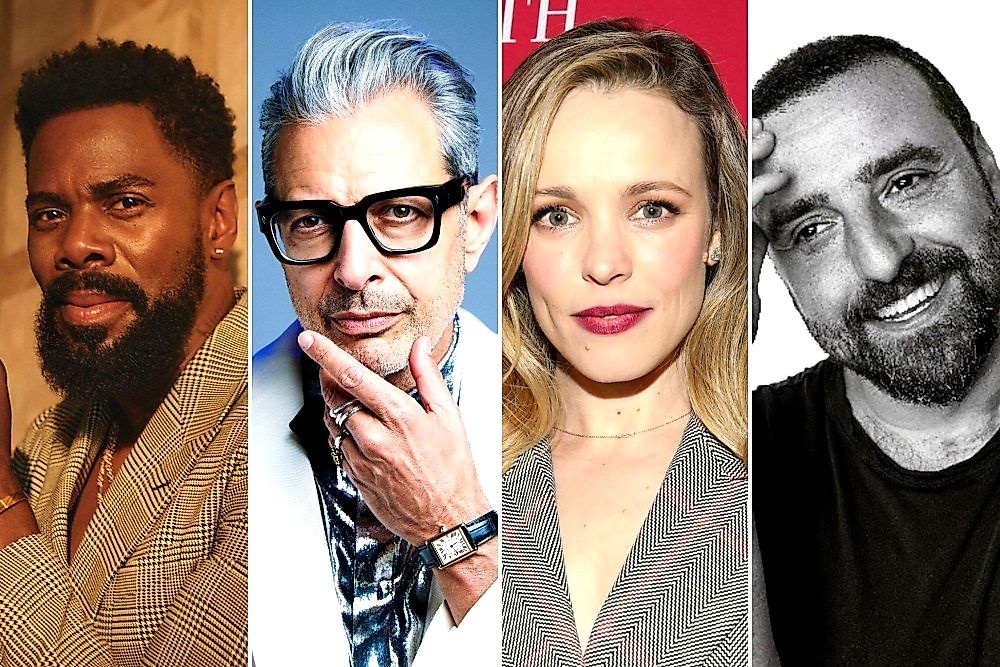
Jeff Goldblum's lizard‑music voice role stuns fans with quirky adventure
The film’s 10 CGI lizards play a 3‑minute symphony that Jeff Goldblum calls 'surreal', sparking buzz before the trailer drops.

Tom Cruise's $245M 'Digger' flop shatters studio record
With just $8 million opening domestically and a 60% drop in its second week, 'Digger' hauls in a record $245 million loss that Hollywood hasn't seen.
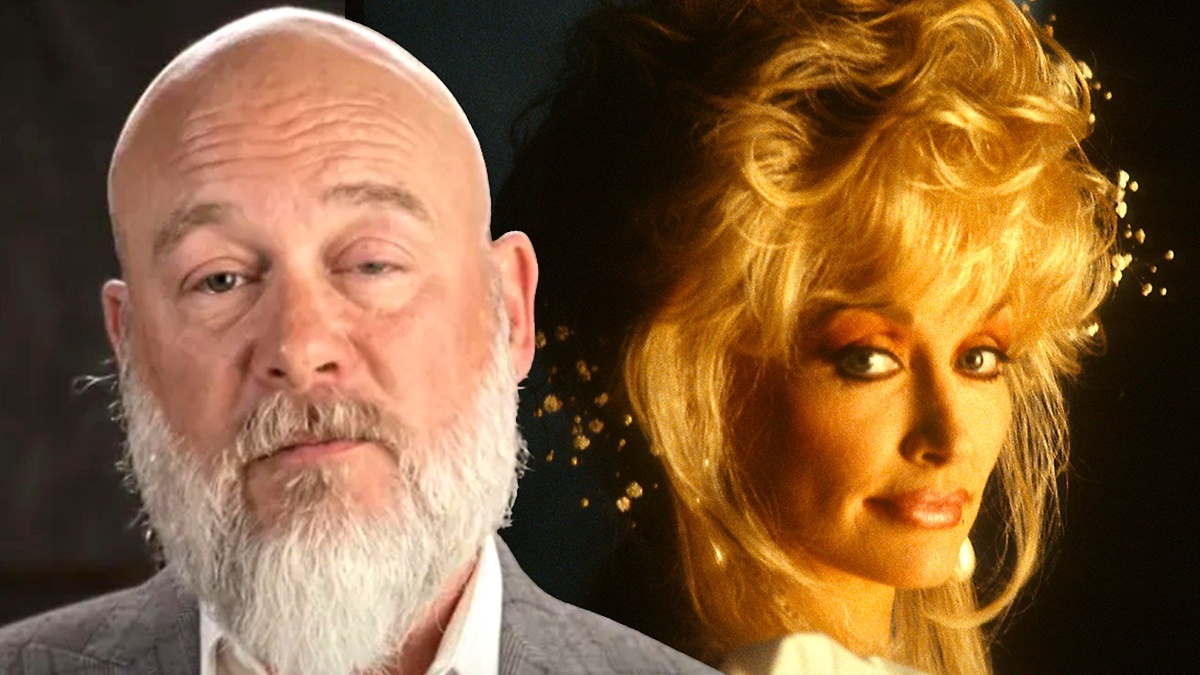
Bryan Seaver’s $251,000 debt claim threatens Dollywood order
Seaver claims the $251,000 owed for Dollywood security services has cleared, but the park argues payments were incomplete, sparking a restraining order fight.