
BBC pulls Victoria Beckham joke after viewers call it offensive
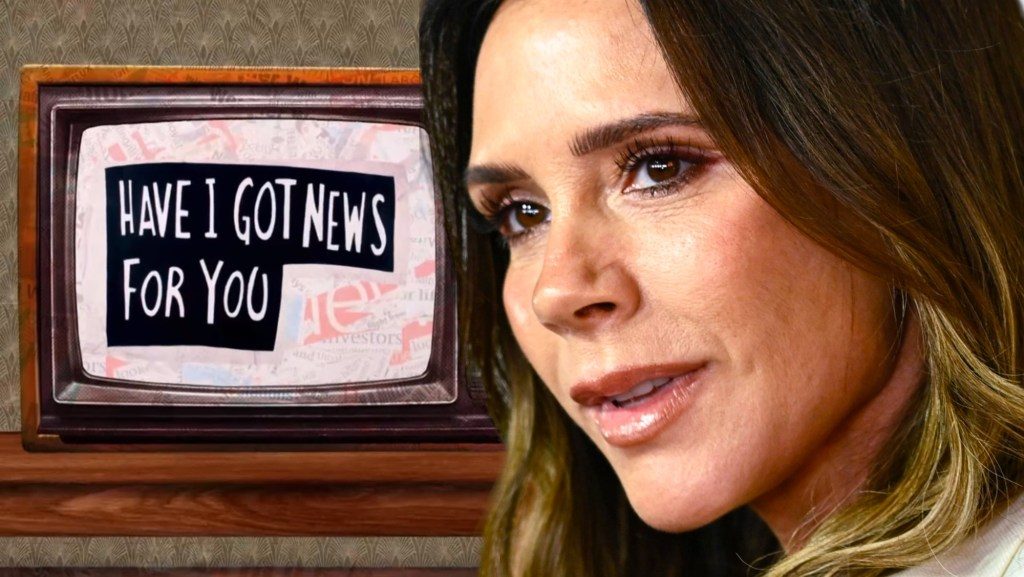
The BBC has removed a joke about Victoria Beckham from the November 7 episode of *Have I Got News for You*. The edit followed complaints from two viewers who said the comment was “gratuitously offensive.” The broadcaster’s Executive Complaints Unit ruled that the joke was not editorially justified.
On the episode, guest presenter Katherine Ryan riffed on a 2013 private email in which David Beckham allegedly called the UK honours committee a “bunch of c***ts” after being passed over for a knighthood.
Ryan then said to the panelists, “I don’t know that we are allowed to broadcast the C‑word, but you did reference Victoria Beckham earlier and we’ll allow that.” The remark compared Victoria Beckham to a particularly offensive word, prompting the BBC’s review.
The Executive Complaints Unit concluded that “there was no justification for a comment which presented Victoria Beckham as equivalent to a particularly offensive word.” It added that “the relevant BBC editorial guidelines do not require programmes to avoid giving offence but do require that any offence should be editorially justified.” The ruling was reported to senior leaders in BBC content, and the episode was edited and re‑uploaded to iPlayer without the joke.
## Background & Context
BBC policy on offensive language is guided by editorial justification rather than blanket avoidance. This episode’s removal follows a similar decision earlier in the week.
The broadcaster cut 11 blackface sketches from *That Mitchell and Webb Look* ahead of its 20th‑anniversary re‑release, including a self‑referential skit where David Mitchell and Robert Webb joked about the appropriateness of blackface while actually performing it.
The decision drew criticism from comedians such as John Cleese, who accused the BBC of “social engineering.”
These recent edits reflect the corporation’s heightened scrutiny of comedy content that could be construed as offensive. The BBC’s editorial guidelines require that any potential offence be defensible in context; when a joke fails to meet that standard, the content is removed.
The Victoria Beckham incident thus sits within a broader effort to align programming with those guidelines.
## What People Are Saying
The two viewers who complained described the joke as gratuitously offensive, arguing it equated the public figure with a slur.
In response, the BBC’s Executive Complaints Unit stated that “there was no justification for a comment which presented Victoria Beckham as equivalent to a particularly offensive word.” The unit further clarified that “the relevant BBC editorial guidelines do not require programmes to avoid giving offence but do require that any offence should be editorially justified.”
Katherine Ryan’s own words were quoted in the public record: “I don’t know that we are allowed to broadcast the C‑word, but you did reference Victoria Beckham earlier and we’ll allow that.” No comment has been issued by Ryan or the show’s producers following the edit., which reached out to Jimmy Mulville, founder of *Have I Got News for You* producer Hat Trick Productions, has not yet received a response.
John Cleese’s criticism of the blackface edits highlights the tension between comedic freedom and editorial responsibility. While Cleese pointed to “social engineering,” no official BBC statement has elaborated on how the guidelines will evolve in light of these controversies.
## What Happens Next
The edited episode was made available on iPlayer, with the Victoria Beckham joke removed entirely. The decision was communicated to senior leaders in BBC content, signaling that similar reviews may occur for future broadcasts.
While no formal policy change has been announced, the BBC’s approach to potentially offensive material remains guided by the principle of editorial justification.
The removal may influence how *Have I Got News for You* frames controversial references in upcoming episodes. Comedians and writers may exercise additional caution when alluding to public figures, particularly when language could be construed as slurs.
The broader industry will likely monitor the BBC’s handling of these cases, as they set a precedent for balancing comedic expression with standards of taste.
The episode now streams without the offending joke, and viewers can still enjoy the rest of the November 7 broadcast. The BBC’s editorial review process, however, continues to shape what makes it onto the airwaves.
Why It Matters
Our Take
GoNews Pulse Editorial Team
This article was prepared for publication by GoNews Pulse and checked for publication requirements under our editorial standards. We review available information and correct material errors when they are identified.
Quick Answers
- What is the latest update on this story?
- Viewers say the joke equates Beckham with a slur, forcing BBC to pull it.
- Who is this story about?
- This article covers developments related to BBC pulls Victoria Beckham joke after viewers call it offensive. GoNews Pulse's editorial team monitors the story and updates the article as new verified information becomes available.
- Where can I read more about Victoria Beckham?
- GoNews Pulse publishes original reporting on Victoria Beckham and related entertainment news. Visit the homepage or browse the section dedicated to this story for the latest coverage.
Related topics
- #Victoria Beckham
- #Katherine Ryan
- #John Cleese
- #blackface sketches
More From This Section

Jon Gosselin's 22‑Year‑Old Son Exposes Abuse, Father Shouts Support
Jon Gosselin declares that his son’s 22‑year‑old memoir exposes alleged institutionalization and a hidden ‘small holding’ cell, sparking a national debate.

Mike Colter's Valley Firm AGI Bo Revealed at 2:00 a.m. Shocks Fans
Rob McClure's portrayal of Bo forces the firm to confront a real‑world AGI asking for legal guardrails, sparking a tense ethical debate.

Meredith Grey's bed proposal to Nick on surgery table stuns fans
Meredith Grey slipped a ring into Nick's hand while he lay on the operating table, a move that stunned fans amid the bridge collapse.