
Matt Brittin Threatens BBC Channel Closures to Slash £500M
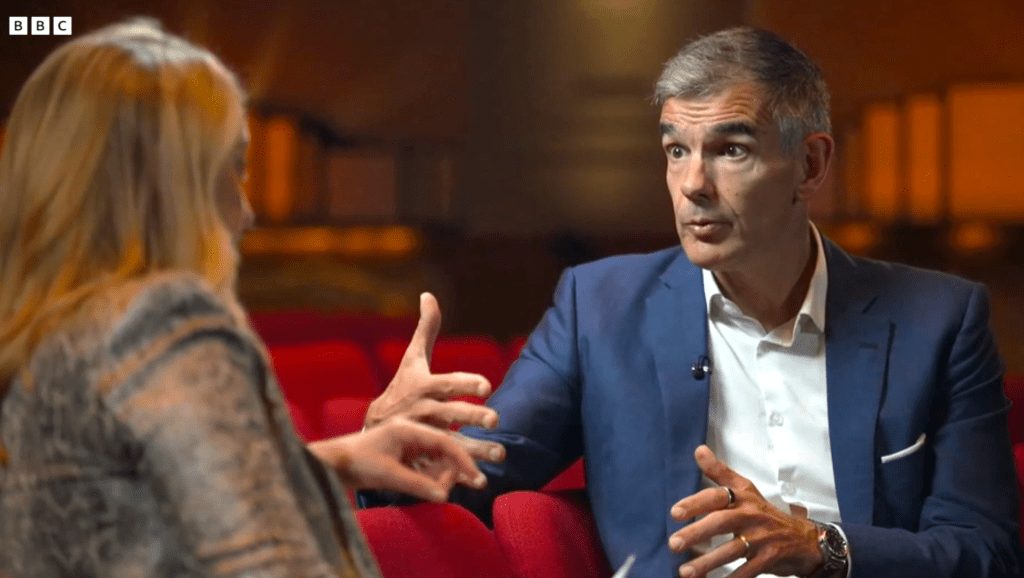
BBC director‑general Matt Brittin said the broadcaster could close some TV and radio networks to meet a £500 million savings target. In an interview that will air over the weekend, he told *Sunday* with Laura Kuenssberg that the aim “may well mean” services are shut.
The former Google executive framed the moves as part of a broader effort to protect value for licence‑fee payers while reshaping how audiences receive content.
Brittin also noted that the BBC’s financial strategy includes a £1.5 billion savings target that precedes the new £500 million goal. He said that 94 % of the UK population use the BBC each month, yet fewer than 80 % pay the annual licence fee of £180.
The broadcaster is therefore exploring ways to better align its revenue with its audience reach.
The BBC is also negotiating with unions over employee pay rises, with two offers rejected by the unions, raising the risk of industrial action. Up to 2,000 jobs could be lost under the savings strategy, . These developments signal a potential reshaping of the broadcaster’s structure and content delivery model.
The BBC’s financial strain has intensified after the UK government announced a 10 % reduction in funding for public service broadcasters last year. The broadcaster, which relies heavily on the licence fee, is therefore under pressure to streamline operations while maintaining its public‑service remit.
## Background & Context
The BBC’s current financial model relies on a £180 annual licence fee paid by fewer than 80 % of the UK’s population, while an estimated 94 % use the broadcaster each month. In response, the organisation has set a £1.5 billion savings target, now tightening that to a £500 million goal to safeguard value for licence‑fee payers.
The director‑general’s comments come amid tense negotiations with unions over pay rises, after two offers were rejected. If the savings plan proceeds, up to 2,000 positions could be cut, and the risk of industrial action is increasing .
## What People Are Saying
Brittin told *Sunday* with Laura Kuenssberg that the BBC would not guarantee any program or channel “will exist forever.” He added that the tight financial situation forces the organization to make decisions sooner than it might prefer.
He also said, “We might have some channels and services where maybe 100,000 people are watching the broadcast service, but 500,000 are getting those programs on iPlayer. When’s the right time to migrate that service fully to being on demand? And part of my job is to safeguard value for money for the licence fee payer.”
The BBC is also exploring how audiences are shifting online, noting that the current model is “locked into yesterday’s model of how people consume content and actually the audience is always already living in tomorrow’s world.” While no official confirmation has yet been released regarding BBC Three, reported that the broadcaster may announce closures as early as next week.
## What Happens Next
If the BBC proceeds with its £500 million savings plan, up to 2,000 jobs could be lost and the organization may need to shut several TV and radio networks. The director‑general said that decisions will come “as soon as we have a clear picture” of where audiences are migrating online.
The timing of the potential network closures could affect programming schedules, advertising revenue, and regional service delivery. Stakeholders, including advertisers and community groups, have expressed concern that cuts may reduce local content availability and impact the broadcaster’s outreach to underserved audiences.
The BBC’s move is part of a broader effort to align its revenue with audience reach, but it also coincides with ongoing negotiations with unions over pay. If the unions reject further offers, industrial action could begin, adding pressure on the organization to finalize its strategy.
Its outcomes will be closely monitored by both regulators and the public.
Why It Matters
Our Take
GoNews Pulse Editorial Team
This article was prepared for publication by GoNews Pulse and checked for publication requirements under our editorial standards. We review available information and correct material errors when they are identified.
Quick Answers
- What is the latest update on this story?
- Matt Brittin warns BBC’s channel closures could cost 2,000 jobs and ignite strikes, all to hit a £500M savings target.
- Who is this story about?
- This article covers developments related to Matt Brittin Threatens BBC Channel Closures to Slash £500M. GoNews Pulse's editorial team monitors the story and updates the article as new verified information becomes available.
- Where can I read more about BBC?
- GoNews Pulse publishes original reporting on BBC and related entertainment news. Visit the homepage or browse the section dedicated to this story for the latest coverage.
Related topics
- #BBC
- #Matt Brittin
- #BBC savings plan
- #BBC channel closure
- #union negotiations
More From This Section
Jessica Edwards' 27-Year Legacy Shakes Woodstock Film Festival
Jessica Edwards announced she will double the festival’s screen time for women filmmakers, promising a new wave of diverse stories at next spring’s event.

Taylor Swift's 36-Year-Old Red Turns Chiefs Fans Into Celebrity Crowd
Swift's front‑row red turtleneck and a heartfelt hug to Donna Kelce at Arrowhead left fans stunned as Chiefs edged Chargers 33‑30 in overtime.

Taylor Swift's 36-year-old drops 'The Fate of Ophelia' at Academy Gala
She stunned in a strapless pale‑blue Dior gown, opening with a brand‑new Toy Story 5 track and a 'Blank Space' performance, showcasing her theatrical flair.