
Amazon & UPS Shaken as Kopple's 'Union Town' Exposes Deliveristas' Fight
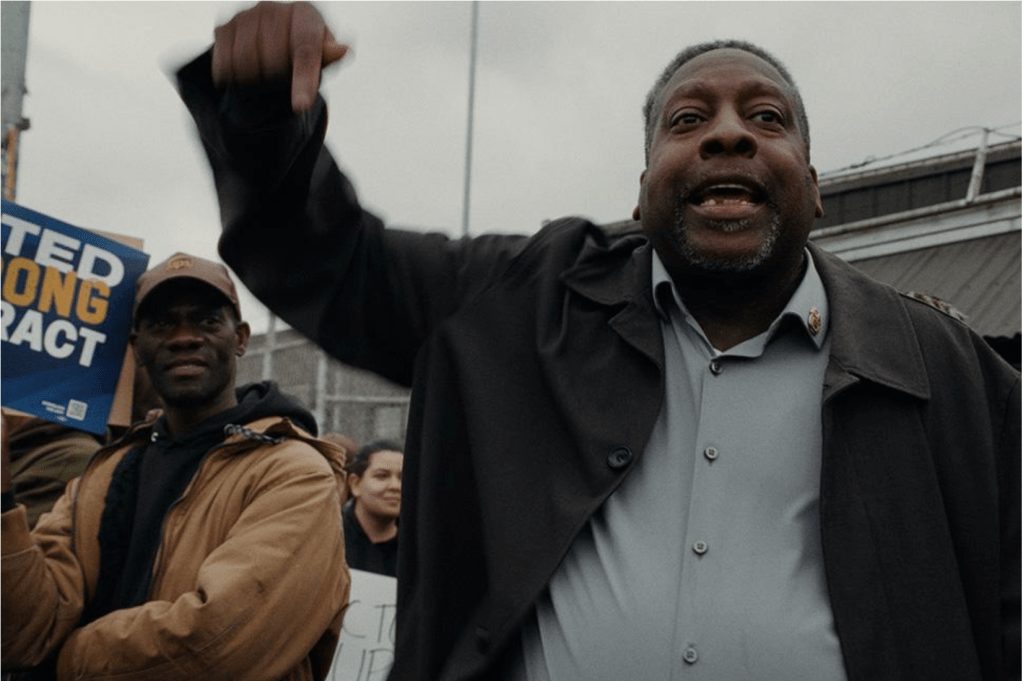
A decade after her Oscar‑winning documentary *Harlan County U.S.A.*, director Barbara Kopple premiered her latest work, *Union Town*, at the Camden International Film Festival in Maine.
The film had already opened at Venice in early September, drawing attention to the ongoing battles for better wages and working conditions in New York City.
Kopple’s new project focuses on three groups – UPS workers, Amazon employees, and app‑based “deliveristas” – all of whom face increasingly precarious labor conditions.
The premiere is significant because it marks a return to the subject that earned Kopple her first Academy Award: the lives of ordinary American workers. Her earlier films, including *American Dream*, chronicled strikes at a Minnesota plant and highlighted the power of collective action.
In *Union Town*, she brings the story into the modern era, where technology and gig economy structures threaten to erode labor protections.
Kopple’s approach is both nostalgic and urgent.
In an interview at the Camden Opera House, she reflected on her career’s early days, noting that her first film was “just a little‑seen project.” She now frames *Union Town* as a contemporary continuation of that legacy, hoping it will galvanize support for workers who “can hardly make a living or people who die in the plants because there’s no air conditioning… or no heat in the winter.”
## Background & Context
Kopple’s career began with *Harlan County U.S.A.*, which documented a long‑running strike at a coal mine in southeast Kentucky. The film earned her an Academy Award and set the tone for future projects that spotlighted labor disputes.
In 1991 she followed up with *American Dream*, capturing a strike at Hormel Foods in Minnesota, for which she received a second Oscar.
Over the past four decades, union participation in the United States has fallen by about half. Kopple notes that despite this decline, unions “are still there,” and that their presence is essential for workers’ rights.
She points to Antonio Rosario, a veteran of a 1997 UPS strike who now leads Teamsters organizing at Amazon facilities in the Northeast. Rosario’s story illustrates how individual experience can fuel broader collective action.
The three fronts depicted in *Union Town* showcase divergent struggles. UPS and Amazon workers fight for wage increases and safer conditions, while “deliveristas” – drivers for apps like DoorDash – confront year‑long work across all weather, often with little pay.
The film follows Victor Hidalgo, a 24‑year‑old pharmacy‑delivery rider who died after a New York Fire Department vehicle struck his bicycle in 2024. His aunt urged Kopple to document his story, insisting that the tragedy “must never be forgotten.”
In 2025, the New York Attorney General’s office settled with DoorDash for nearly $17 million after allegations that the company kept tips meant for its drivers.
The settlement clarified that customers were misled into thinking their tips would go directly to delivery workers, but DoorDash retained those tips and deducted them from guaranteed pay. Kopple believes public exposure of these practices may encourage customers to tip more fairly or advocate for better treatment of gig workers.
## What People Are Saying
Kopple emphasized the resilience of labor organizers in a recent interview: “I think that they [labor organizers] have a big fight on their hands, but I think that they’re road warriors…
Each time they win something, it’s glorious.” She praised the incremental victories achieved by workers, describing them as “glorious” and “wonderful.” Kopple added that these successes bring solidarity closer to tangible results, stating, “And what else can you do? You have to keep fighting…
Looking at the people that they work with who can hardly make a living… it’s just a very human thing to do, so you can’t stop.”
Victor Hidalgo’s aunt shared her motivation for appearing in the film: “I don’t want anyone to ever forget Victor. Please come and film the funeral. Please come and let people know that these things really happen.” Her testimony underscores the personal stakes behind the documentary’s broader narrative.
The settlement with DoorDash was described by the New York Attorney General’s office as a significant correction of misrepresented tip practices: “Customers were misled into believing their tips would directly benefit Dashers.
Instead, DoorDash would keep the tips meant for Dashers and take it out of their guaranteed pay.” This statement highlights how *Union Town* confronts systemic issues within the gig economy.
Kopple also discussed potential ripple effects of the film’s exposure: “What it does if people get to see this film is maybe they’ll give big tips.
Maybe they’ll talk to the people who deliver or at least understand them.” She believes that visibility can foster empathy, noting that when she stops UPS drivers in conversation, many look at her as a “crazy person,” yet she persists because it demonstrates that someone cares.
## What Happens Next
Autlook is handling worldwide sales for *Union Town*, positioning the documentary for potential distribution beyond festival circuits. Kopple stated it is “too soon to tell” about its eventual reach, noting that the film had shown for only the third time and was finished just two weeks before Venice.
She expressed hope that it will secure wide distribution and reach a broad audience.
The film’s reception mirrors that of earlier labor documentaries, which often face challenges finding mainstream platforms. For example, *Union*, a 2024 documentary about organizing Amazon workers in Staten Island, struggled to find U.S. distribution despite its relevance; it ultimately streamed through Criterion.
Kopple’s experience suggests that *Union Town* may encounter similar hurdles but also opportunities for advocacy and public engagement.
As the film continues to circulate, it may influence policy discussions and consumer behavior, especially concerning gig workers’ wages and tip practices.
The conversation sparked by *Union Town* could pressure companies like DoorDash to reform compensation models, while reinforcing the importance of union representation in large corporate settings.
The final scene leaves viewers with a reminder that labor struggles are far from over. Kopple’s new documentary captures the grit of workers across multiple industries, underscoring that organized collective action remains a vital tool for change.
Why It Matters
Our Take
GoNews Pulse Editorial Team
This article was prepared for publication by GoNews Pulse and checked for publication requirements under our editorial standards. We review available information and correct material errors when they are identified.
Quick Answers
- What is the latest update on this story?
- Kopple reveals Amazon, UPS, and Deliveristas rallying for safety, but the fast‑delivery culture hides a deeper danger.
- Who is this story about?
- This article covers developments related to Amazon & UPS Shaken as Kopple's 'Union Town' Exposes Deliveristas' Fight. GoNews Pulse's editorial team monitors the story and updates the article as new verified information becomes available.
- Where can I read more about Barbara Kopple?
- GoNews Pulse publishes original reporting on Barbara Kopple and related entertainment news. Visit the homepage or browse the section dedicated to this story for the latest coverage.
Related topics
- #Barbara Kopple
- #Union Town
- #Amazon workers
- #UPS employees
- #DoorDash gig workers
More From This Section

Jon Gosselin's 22‑Year‑Old Son Exposes Abuse, Father Shouts Support
Jon Gosselin declares that his son’s 22‑year‑old memoir exposes alleged institutionalization and a hidden ‘small holding’ cell, sparking a national debate.

Mike Colter's Valley Firm AGI Bo Revealed at 2:00 a.m. Shocks Fans
Rob McClure's portrayal of Bo forces the firm to confront a real‑world AGI asking for legal guardrails, sparking a tense ethical debate.

Meredith Grey's bed proposal to Nick on surgery table stuns fans
Meredith Grey slipped a ring into Nick's hand while he lay on the operating table, a move that stunned fans amid the bridge collapse.