
Bailey's Daphne‑Velma mash‑up earns 10k likes, igniting Scooby‑Doo frenzy
# Chloe and Halle Bailey Go Daphne and Velma, Bringing Scooby‑Doo Back to Halloween Halloween has always thrummed with nostalgia, and this year the pop‑culture phenomenon of Scooby‑Doo has hit the spotlight like a neon‑clad, four‑legged relic.
In a season of retro revivals, stars across the entertainment spectrum have embraced the beloved Mystery Inc. gang, dressing up as the iconic characters for a night of playful homage.
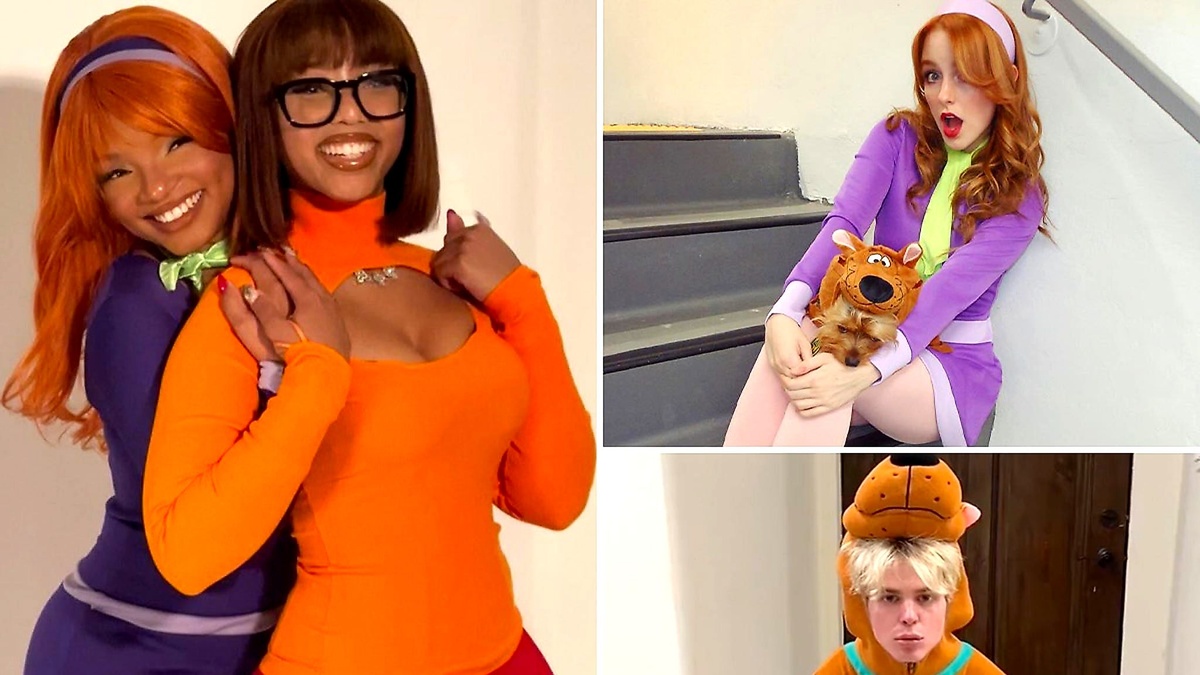
A flurry of photos from the weekend shows Chloe and Halle Bailey striking the perfect Daphne‑Velma mash‑up, while the young McKenna Grace—set to portray Daphne in Netflix’s live‑action series—delivered a flawless portrait.
The gallery also highlights Internet personality Jack Wright posing on all fours as a furry Scooby‑Doo and Paige Spiranac wearing a sharp orange crop top and skirt as a sultry Velma. Fans and fellow celebrities alike have flooded social media with their own takes, creating a vibrant costume creativity.
The resurgence of Scooby‑Doo in pop culture feels almost inevitable. The franchise has become a mainstay in holiday wardrobes, thanks to its colorful cast and enduring appeal.
The series’ blend of mystery, humor, and a hint of supernatural intrigue translates seamlessly into Halloween attire—an opportunity for celebrities to tap into childhood memories while showcasing fashion‑forward interpretations.
In the current media climate, where visual storytelling on platforms like Instagram and TikTok dominates, celebrities use costume shoots to build personal‑brand narratives that resonate with audiences hungry for both nostalgia and authenticity. ## Background & Context Scooby‑Doo’s legacy stretches from the silver screen to the streaming services of today.
The franchise’s recent live‑action Netflix series has reignited interest in the original characters, offering a fresh lens on familiar faces.
The casting of McKenna Grace as Daphne is a strategic nod to the franchise’s youthful fan base, while the inclusion of established stars like Chloe and Halle Bailey ensures a cross‑generational appeal.
Their decision to embody both Daphne and Velma simultaneously underscores the fluidity of identity in contemporary fandoms, where gender and archetype are increasingly blended and redefined. Halloween itself has become a cultural fulcrum where celebrity and fan communities intersect.
Every October, public figures unleash elaborate costumes that set trends, spark viral moments, and generate engagement metrics. In an era where brand partnerships and influencer marketing intertwine, the choice of costume can become a statement about personal‑brand alignment.
The Scooby‑Doo revival fits neatly into this paradigm: the franchise’s inherent charm and established merchandise ecosystem provide a ready platform for cross‑promotion and fan interaction. The presence of figures like Paige Spiranac adds an extra layer of intrigue, bridging seemingly disparate worlds.
Meanwhile, the internet personality Jack Wright’s choice to portray Scooby‑Doo in an all‑furry pose demonstrates the viral potential of subculture mash‑ups.
Fans of furry fandom and animation alike found themselves drawn to this daring representation, reinforcing the power of niche communities in amplifying celebrity reach.
By embracing a character that predates modern pop‑culture, celebrities pay homage to their roots while inviting younger audiences into a shared space of playful storytelling. ## What People Are Saying Social media buzz around the Scooby‑Doo costumes exploded within hours of the photos being shared.
Fans flocked to the posts, flooding them with comments that oscillated between playful admiration and earnest curiosity. The photo series featuring Chloe and Halle Bailey sparked an avalanche of praise, with many noting how the sisters captured the spirit of both Daphne’s elegance and Velma’s sharp intellect.
Comments frequently highlighted the duo’s “dual‑character” approach as a clever nod to the franchise’s multifaceted personality dynamics, and fans speculated that the pairing could hint at a collaborative project in the works.
McKenna Grace’s image as Daphne drew particular attention because it aligns with her upcoming role on Netflix. Commenters expressed excitement about seeing a real‑life depiction of the character before the series premieres, noting that her youthful charisma seems a natural fit for the iconic role.
The photo also served as a subtle marketing bridge, generating anticipation among both existing Scooby‑Doo fans and newcomers drawn by Grace’s established presence on social platforms.
The more unconventional entries—Jack Wright’s Scooby‑Doo portrayal and Paige Spiranac’s Velma—were praised for their audacity and creativity.
Wright’s all‑furry stance, while polarizing for some, was largely lauded for its unapologetic embrace of fandom culture, with many appreciating the authenticity of his representation.
Spiranac, meanwhile, leveraged her sharp aesthetic to reinterpret Velma in a way that blended retro charm with contemporary edge, sparking conversations about gender expression and modern reinterpretations of classic characters.
Her post was often cited as a prime example of how celebrities can subvert expectations and expand the visual vocabulary of iconic roles. Critically, the overall sentiment underscored a collective appreciation for the seamless melding of nostalgia and modernity.
Fans and fellow celebrities alike found common ground in celebrating the enduring appeal of the Scooby‑Doo universe, recognizing that costume choices were more than simple visual displays—they were cultural touchstones that connect disparate communities.
The phenomenon has even sparked discussions on how such nostalgia‑based events could inform future collaborations between streaming platforms and merchandising brands, creating new revenue streams and fan engagement models. ## What Happens Next The momentum generated by these costumes is unlikely to dissipate quickly.
As the Netflix series approaches its premiere, viewers will be primed by the visual and emotional resonance of the Scooby‑Doo lookalike campaign.
Marketing teams will likely ride this wave, incorporating the high‑profile costumes into promotional materials, perhaps releasing a teaser that features the celebrity versions of the Mystery Inc. characters. Such cross‑platform synergy could elevate the series’ visibility and broaden its audience reach.
Beyond the Netflix launch, the trend may influence other creative projects. Producers of animated adaptations and live‑action spin‑offs may feel inspired to revisit classic character designs, blending them with contemporary fashion sensibilities to appeal to both legacy fans and younger demographics.
Similarly, merchandise companies might capitalize on the renewed interest by releasing limited‑edition apparel, vinyl, and collectibles that reflect the celebrity interpretations.
The collaboration between costume designers and pop‑culture brands could yield a new line of Halloween attire that pays homage to the original while offering fresh, modern twists. For the celebrities themselves, the success of these costumes could open doors to further brand partnerships.
Companies aligned with nostalgia, such as toy manufacturers, fashion houses, and beverage brands, may view these collaborations as lucrative opportunities.
A strategic partnership with a prominent apparel brand could allow the artists to co‑create a line that celebrates the characters’ legacy, while leveraging the personal brand of each celebrity to drive sales.
This approach would align with the current trend of celebrity‑endorsed products that tap into cultural touchstones, creating a mutually beneficial ecosystem for both the artists and the partners.
In the broader cultural conversation, this wave of Scooby‑Doo enthusiasm underscores the resilience of childhood memories in adult identity formation. The phenomenon is how a cartoon from the 60s can still inspire modern creativity and social connectivity.
As Halloween approaches each year, this tradition of blending nostalgia with contemporary flair will likely continue to evolve, offering a canvas for future celebrities to project their own interpretations of classic stories. The night of costumes has only begun.
As more stars reveal their takes, the conversation around nostalgia, identity, and brand strategy will deepen, turning a simple Halloween costume into a cultural phenomenon that resonates across generations.
At a Glance
- The Bailey sisters’ mash‑up as Daphne‑Velma racked up 10k likes, sparking a viral Scooby‑Doo revival.
- Internet star Jack Wright staged an all‑furry Scooby‑Doo look, showcasing the crossover of fandom and cosplay culture.
- The hype is timing‑perfect for Netflix’s upcoming live‑action series, driving anticipation for its premiere.
Why It Matters
Our Take
GoNews Pulse Editorial Team
This article was prepared for publication by GoNews Pulse and checked for publication requirements under our editorial standards. We review available information and correct material errors when they are identified.
Quick Answers
- What is the latest update on this story?
- Jack Wright's all‑furry Scooby‑Doo pose at the Halloween bash set Instagram ablaze, proving fandom can be fearless.
- Who is this story about?
- This article covers developments related to Bailey's Daphne‑Velma mash‑up earns 10k likes, igniting Scooby‑Doo frenzy. GoNews Pulse's editorial team monitors the story and updates the article as new verified information becomes available.
- Where can I read more about celebrity news?
- GoNews Pulse publishes original reporting on celebrity news and related entertainment news. Visit the homepage or browse the section dedicated to this story for the latest coverage.
More From This Section
Jessica Edwards' 27-Year Legacy Shakes Woodstock Film Festival
Jessica Edwards announced she will double the festival’s screen time for women filmmakers, promising a new wave of diverse stories at next spring’s event.
Taylor Swift's 36-Year-Old Red Turns Chiefs Fans Into Celebrity Crowd
Swift's front‑row red turtleneck and a heartfelt hug to Donna Kelce at Arrowhead left fans stunned as Chiefs edged Chargers 33‑30 in overtime.
Taylor Swift's 36-year-old drops 'The Fate of Ophelia' at Academy Gala
She stunned in a strapless pale‑blue Dior gown, opening with a brand‑new Toy Story 5 track and a 'Blank Space' performance, showcasing her theatrical flair.