
Audrey Hepburn's $467,000 Black Dress Exposes Breakfast at Tiffany's Hidden Chaos The 1961 classic Breakfast at
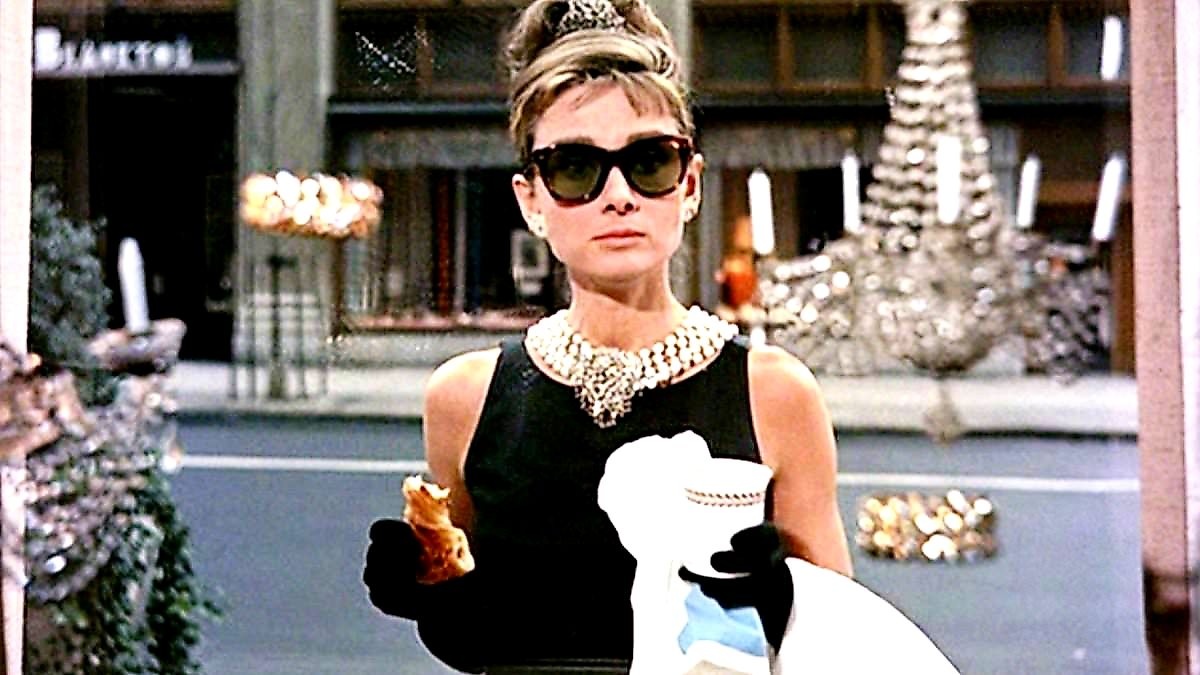
# **Audrey Hepburn's $467,000 Black Dress Exposes Breakfast at Tiffany's Hidden Chaos** The 1961 classic *Breakfast at Tiffany’s* remains an icon of mid‑century, yet the road to that polished image was paved with fierce arguments, logistical nightmares, and last‑minute creative pivots.
From a Sunday opening at the legendary Fifth Avenue flagship to a week‑long, improvised party that consumed a small army of extras and a stockpile of cigarettes, the film’s behind‑the‑scenes story is anything but effortless.
As the film turns 65, new details emerge that show how the picture’s signature moments were the result of negotiation, improvisation, and a touch of desperation.
Audrey Hepburn’s black satin Givenchy gown, now worth nearly a million dollars at auction, is more than a wardrobe staple—it’s a key that unlocks a trove of production secrets.
Behind that shimmering silhouette lies a tale of a director who begged the studio to replace a leading man, an employee‑led security force, and a producer’s last‑minute song change that could have altered Hollywood history.
These revelations remind us that even the most polished on‑screen magic can be built on friction, compromise, and an unwavering insistence on control. The film’s reputation as a timeless romantic comedy belies the chaos that unfolded on set.
The scenes that have become cultural touchstones—the open‑window coffee moment, the fire‑escape guitar serenade, and the glittering party—were all born out of a series of daring choices and high‑stakes negotiations.
As we revisit *Breakfast at Tiffany’s*, the hidden layers of its production reveal a narrative that is as compelling off‑screen as it is on. ## Background & Context When Paramount announced the project in early 1959, director John Frankenheimer and screenwriter George Axelrod were the initial creative minds.
By the following year, Blake Edwards had taken the helm, a decision reportedly spurred by concerns from Audrey Hepburn’s representatives about Frankenheimer’s stylistic direction.
Edwards would later credit the shift with shaping the film’s lighthearted tone, but the change also set the stage for a series of disputes that would ripple through the production. Edwards’s relationship with co‑star George Peppard was notoriously fraught.
The director once allegedly “dropped to his knees” outside a Paramount office to plead that Peppard should not be cast as Holly’s boyfriend, Paul.
Their clashes on set escalated to the point that a physical confrontation almost broke out; actress Patricia Neal recounted a heated moment where Edwards and Peppard were blocking a scene, and the argument became so intense that she had to intervene.
Peppard’s penchant for re‑imagining his lines reportedly unnerved Hepburn, who later remarked that his “over‑analysis” of every scene made the set feel tense. These disputes underscored the creative friction that underpinned the film’s seemingly effortless charm.
The logistical challenges were equally formidable. To film Holly’s signature opening outside Tiffany & Co., the company opened its Fifth Avenue flagship on a Sunday—a first since the 19th century—to accommodate the shoot.
The operation required 75 technicians, 24 extras, 20 Tiffany employees, 30 executives, and 40 armed guards to safeguard the high‑value storefront. Sunday workers received double time, driving the day’s cost to $45,000, a staggering sum for the era.
This unprecedented access granted the filmmakers a pristine backdrop for the scene that would become an iconic image of 1960s Hollywood. ## What People Are Saying The film’s most enduring moments were often the product of improvisation and daring production choices.
The famed Holly apartment party, filmed over roughly a week on a Paramount soundstage, was populated entirely by actors rather than ordinary extras.
Edwards purposely selected performers he trusted to improvise, and the set was stocked with 60 cartons of cigarettes, enormous quantities of tea and ginger ale, and a surplus of champagne that would later replace the non‑alcoholic drinks on the final day.
A beekeeper’s smoker was brought on to generate the thick haze of cigarette smoke, adding to the realism of the chaotic gathering. The spontaneity of the party, combined with the sheer volume of consumables, illustrates how the film’s most memorable scenes were crafted in a highly experimental environment.
Meanwhile, the production of the film’s musical centerpiece, “Moon River,” highlights the tension between artistic vision and studio expectations. Johnny Mercer initially wrote lyrics under the titles “I’m Holly” and “Blue River” before settling on the now‑famous name.
Producer Richard Shepherd reportedly cautioned that the song could be too sentimental, but the risk paid off. The track, composed by Henry Mancini with an ear for Hepburn’s screen presence, won an Academy Award for Best Original Song and a Grammy for Song of the Year.
The debate over whether Hepburn herself shouted “over my dead body” when the studio threatened to remove the piece is a lingering point of contention, yet the final decision preserved a moment that would define the film’s legacy. The film’s cultural impact also sparked reflection among its cast.
Mickey Rooney, who portrayed the Japanese landlord Mr. Yunioshi, later expressed shame over the role, .
In his memoir, Rooney admitted to being “downright ashamed” of the performance, and he claimed that, over forty years, he had not received complaints—a claim he later defended in response to a 2008 protest.
Rooney’s reflections, along with Edwards’s own regrets, show how the film’s portrayal of certain characters became a point of moral reckoning long after its release. ## What Happens Next As the film reaches its 65th anniversary, its legacy continues to evolve.
The black satin dress that once clutched Holly’s frame was auctioned at Christie’s in 2006, fetching £467,200 (roughly $923,000), setting a record for a costume created for a film. The auction sale underscored the enduring fascination with the film’s visual style and the tangible pieces that made its world feel real.
Beyond the dress, the film’s key locations have also entered public consciousness. The townhouse at 169 East 71st Street, which served as the exterior of Holly’s apartment, was listed for $10 million in 2014 before selling for $7.4 million in 2015, further cementing the story’s link to New York’s historic real estate.
These events are part of a broader trend of reexamining classic films through contemporary lenses. Discussions around representation, historical context, and the evolving standards of storytelling are leading scholars and audiences alike to revisit *Breakfast at Tiffany’s* with fresh eyes.
In film archives and on streaming platforms, the movie remains a staple, but behind the, new analyses highlight the complexities of its creation.
The film’s behind‑the‑scenes stories—tension between director and actor, a Sunday operation costing a fortune, a week‑long improvised party—are now being integrated into the narrative of the film itself, offering a richer understanding of what it took to bring Holly Golightly to life.
Ultimately, the tale of *Breakfast at Tiffany’s* is a reminder that cinematic magic is rarely smooth. It is forged through negotiation, creative clashes, and the willingness to risk everything for a single shot.
As audiences watch the timeless coffee‑browed smile of Audrey Hepburn, they can now appreciate that the sparkle on her face was matched by a production team that, beneath the glitter, wrestled with drama, ambition, and an unrelenting desire to make history.
GoNews Pulse Editorial Team
This article was prepared for publication by GoNews Pulse and checked for publication requirements under our editorial standards. We review available information and correct material errors when they are identified.
Quick Answers
- What is the latest update on this story?
- Audrey Hepburn's $467,000 Black Dress Exposes Breakfast at Tiffany's Hidden Chaos The 1961 classic Breakfast at Tiffany’s remains an icon of mid‑century, yet the road to that polished image was paved
- Who is this story about?
- This article covers developments related to Audrey Hepburn's $467,000 Black Dress Exposes Breakfast at Tiffany's Hidden Chaos The 1961 classic Breakfast at. GoNews Pulse's editorial team monitors the story and updates the article as new verified information becomes available.
- Where can I read more about celebrity news?
- GoNews Pulse publishes original reporting on celebrity news and related entertainment news. Visit the homepage or browse the section dedicated to this story for the latest coverage.
More From This Section
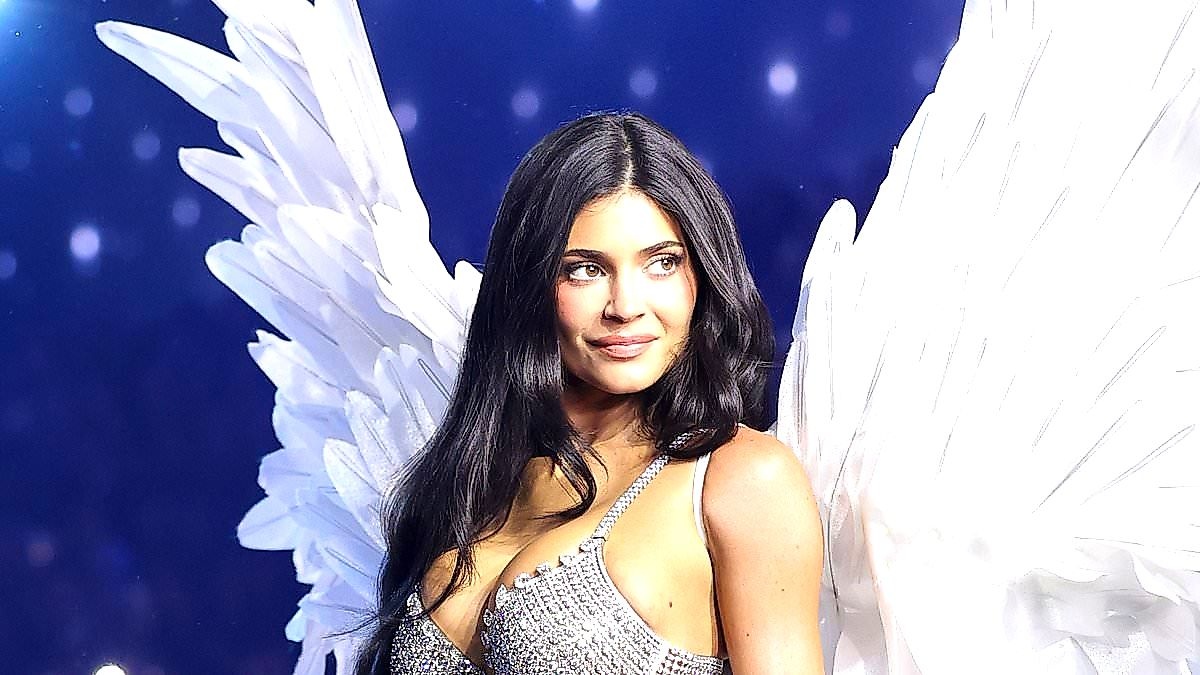
Kylie Jenner's $50 million Fantasy Bra Shocks Fashion World
Kylie Jenner, 29, dazzled the crowd with a $50 million Fantasy Bra studded with a $22 million yellow diamond and 4,400 smaller gems, turning the runway into a glittering spectacle.
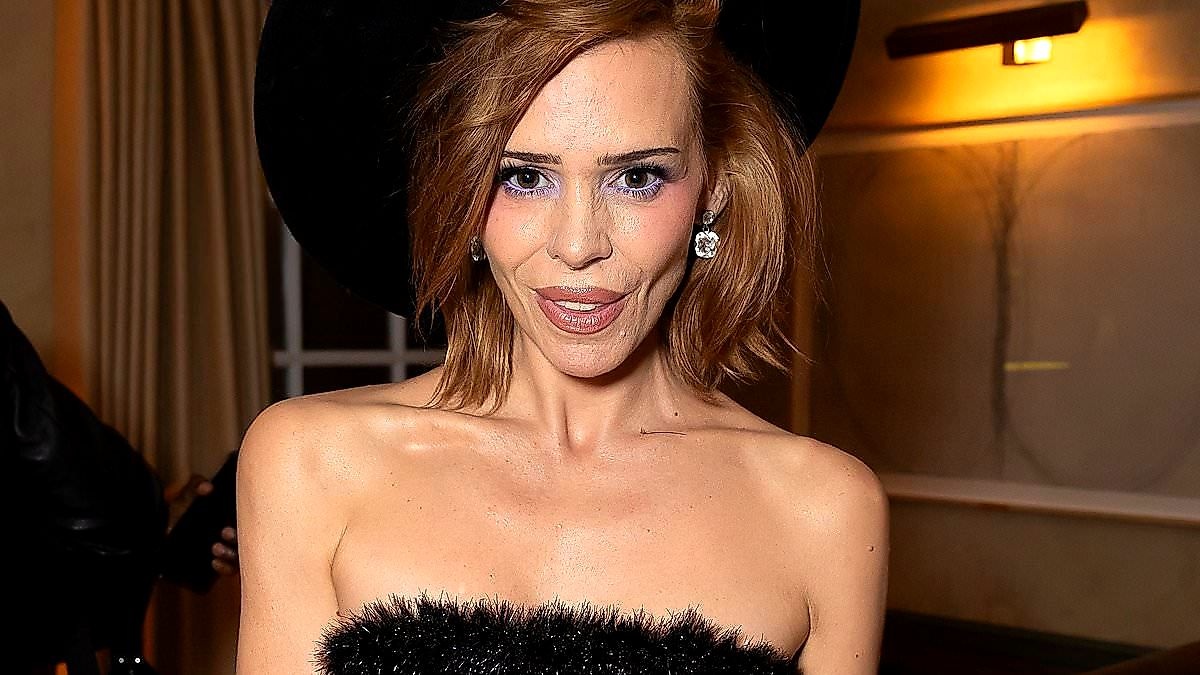
Billie Piper's 44-Year-Old Furry Strapless Dress Dazzles at Dinner
Her striking purple eyeliner and oversized black hat turned heads, while a glittering faux‑fur dress left photographers scrambling for perfect shots.
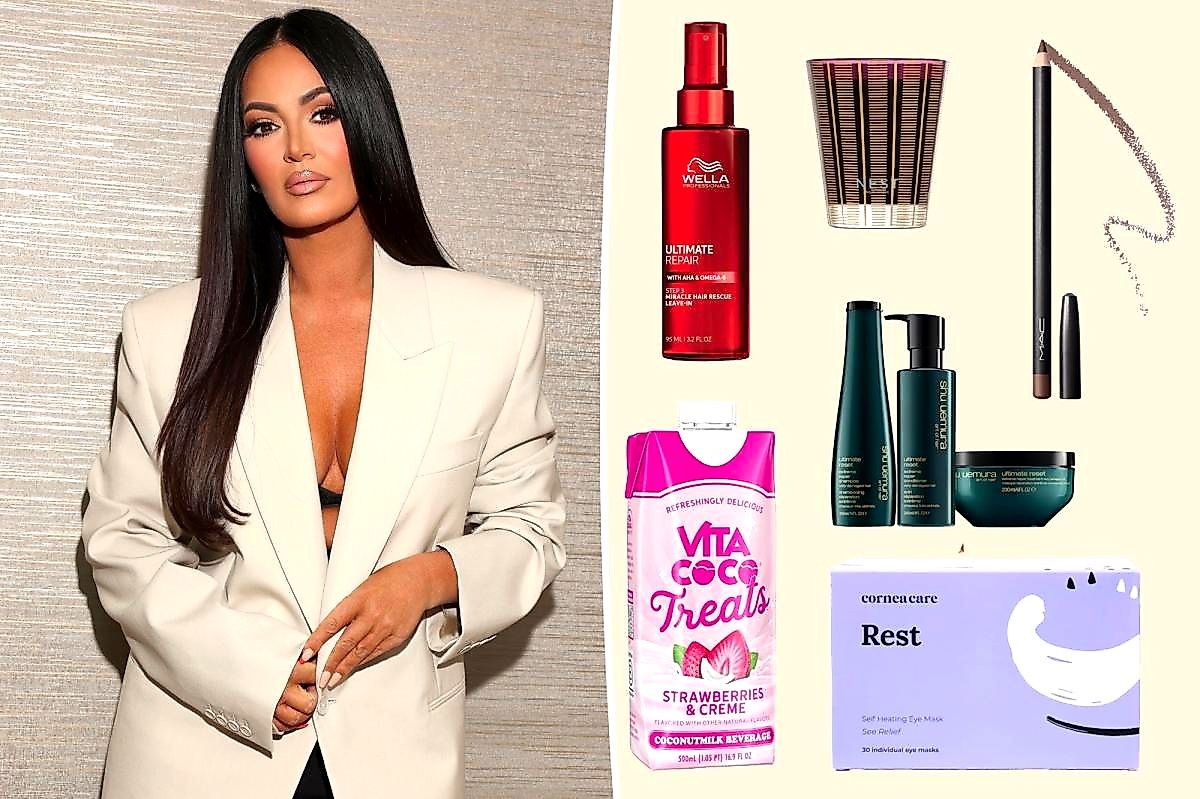
Lisa Barlow's 60‑minute lip‑liner marathon shocks fans
She revealed the pink‑brown lip liner she re‑applies every hour keeps her lips flawless all day, while she promotes Vita Coco’s coconut‑water desserts.