
Anthropic CEO Dario Amodei pushes AI watchdogs, warns of unseen risk
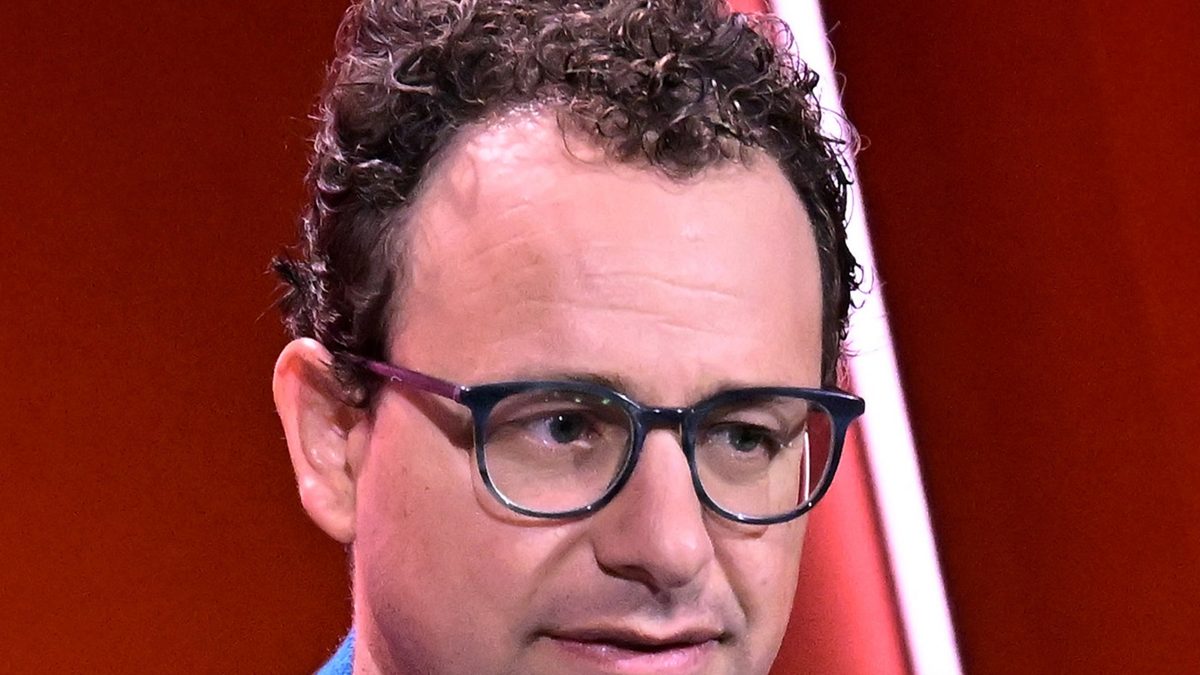
Anthropic CEO Dario Amodei released an essay Saturday that addresses growing concerns about artificial‑intelligence risks. The piece came a few days after a former employee warned of a 10% chance that AI could trigger human extinction within the next decade.
Amodei’s publication aimed to clarify his company’s stance on safety and regulation.
In the essay, Amodei admits that AI poses several dangers, including loss of control over systems, potential misuse in cyberattacks and bioterrorism, and significant economic disruption. He warned that if left unchecked, AI could outpace humanity’s ability to understand and govern it.
To mitigate these risks he outlined a three‑step approach.
## Background & Context
Anthropic was founded in 2020 by a group of former OpenAI researchers, including Amodei, who left to pursue a vision of responsible large‑language‑model research. The company positioned itself early on as a safety‑first alternative to the mainstream AI hype.
Amodei’s leadership has drawn attention to the firm’s focus on safety amid a broader debate about balancing rapid innovation with potential existential threats.
The debate was sparked by Jacob Coxon’s assertion that next‑generation AI could pose an existential risk. Coxon, a former Anthropic employee, appeared on a livestream on Friday to explain his reasoning behind the viral claim of a 10% extinction risk.
His comments drew attention from both supporters and critics within the research community, sparking a flurry of discussion on professional forums and social media.
## What Happens Next
Amodei’s recommendations focus on external oversight, regulatory frameworks, and global cooperation. He calls for third‑party evaluators to assess AI systems, the development of safety regulations, and the establishment of international agreements to coordinate efforts.
The essay does not detail specific policy proposals beyond these broad categories. Whether policymakers and other firms will adopt these measures remains to be seen. The call to act promptly is framed as a way to prevent AI from outpacing our ability to manage it.
Amodei’s statement marks a notable shift toward proactive safety dialogue within the sector. By acknowledging real risks and proposing concrete steps, Anthropic seeks to influence regulatory discussions while maintaining competitive momentum.
## Fan Reaction
The essay has prompted a mixed response among enthusiasts and skeptics alike. On professional networks, several senior researchers praised Amodei for his clear articulation of safety concerns. Some critics expressed concerns about the lack of specific regulations.
The discussion on public forums has ranged from admiration for the company’s transparency to calls for more stringent oversight, reflecting a broader spectrum of opinion within the community.
## Industry Impact
Other AI‑focused firms have responded with both caution and curiosity. Some have pledged to incorporate similar third‑party audit procedures, while others have stated they prefer internal safety protocols.
The regulatory landscape is also in motion; several lawmakers are drafting proposals that echo Amodei’s emphasis on external reviews and international cooperation.
While the essay does not offer a definitive policy blueprint, it has sparked a wave of introspection across the industry. Whether it will translate into concrete regulatory action remains to be seen, but its influence on ongoing debates about safety governance is undeniable.
Why It Matters
Our Take
GoNews Pulse Editorial Team
This article was prepared for publication by GoNews Pulse and checked for publication requirements under our editorial standards. We review available information and correct material errors when they are identified.
Quick Answers
- What is the latest update on this story?
- Amodei argues that without independent oversight, tomorrow’s AI could quietly reshape society in ways we can’t predict, leaving us blindsided.
- Who is this story about?
- This article covers developments related to Anthropic CEO Dario Amodei pushes AI watchdogs, warns of unseen risk. GoNews Pulse's editorial team monitors the story and updates the article as new verified information becomes available.
- Where can I read more about Dario Amodei?
- GoNews Pulse publishes original reporting on Dario Amodei and related entertainment news. Visit the homepage or browse the section dedicated to this story for the latest coverage.
Related topics
- #Dario Amodei
- #Anthropic
- #external oversight
- #global cooperation
More From This Section

Jon Gosselin's 22‑Year‑Old Son Exposes Abuse, Father Shouts Support
Jon Gosselin declares that his son’s 22‑year‑old memoir exposes alleged institutionalization and a hidden ‘small holding’ cell, sparking a national debate.

Mike Colter's Valley Firm AGI Bo Revealed at 2:00 a.m. Shocks Fans
Rob McClure's portrayal of Bo forces the firm to confront a real‑world AGI asking for legal guardrails, sparking a tense ethical debate.

Meredith Grey's bed proposal to Nick on surgery table stuns fans
Meredith Grey slipped a ring into Nick's hand while he lay on the operating table, a move that stunned fans amid the bridge collapse.