
Anna Wintour mourns at the U.S. Open as Galliano exits Met Gala
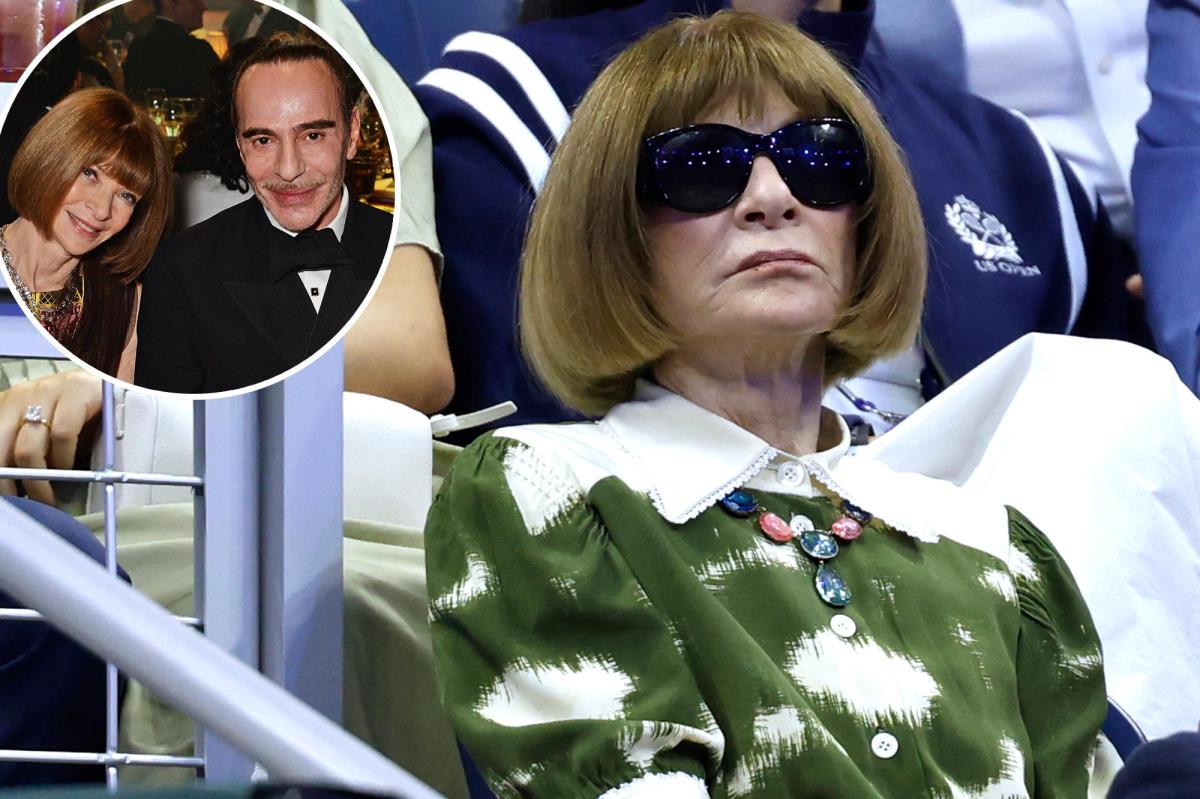
Anna Wintour was spotted at the U.S. Open on Monday, her presence a quiet counterpoint to the daytime excitement in New York City’s tennis courts.
The 76‑year‑old former editor watched the match between Ben Shelton and Tallon Griekspoor in a green and white button‑up dress that featured a distinctive collar. Photographs taken at the event show her wearing her iconic bob, a colorful necklace, and large black sunglasses, yet her posture suggested a somber mood.
The reason for Wintour’s subdued appearance emerged just hours after designer John Galliano announced that he would no longer be honored at the 2027 Met Gala. Galliano’s decision follows sustained backlash over remarks he made in a 2011 Paris café that were widely described as antisemitic and racist.
He has since entered addiction treatment and issued multiple apologies for the hurt caused by his words.
## Background and Context
John Galliano’s career, once celebrated for its bold couture, was interrupted by controversy when a video clip surfaced of him making offensive statements in 2011. The clip prompted calls for public accountability, leading Galliano to seek treatment for substance abuse and to issue several public apologies.
These apologies acknowledged his responsibility for the pain inflicted on Jewish and Asian communities and expressed deep remorse.
Galliano first rose to prominence in the 1990s as the creative director of **Dior**, where he earned acclaim for his theatrical runway shows and avant‑garde designs. His signature style—combining meticulous tailoring with a flair for drama—won him a place among the most influential names in fashion.
He later founded his own house, which grew into a global brand celebrated for its high‑end ready‑to‑wear and accessories. Over the years, he has received numerous awards, including the prestigious **CFDA Fashion Awards** and an honorary doctorate from the Royal College of Art.
In a recent Instagram post, Galliano declared that he would withdraw from the 2027 Met Gala to avoid diverting attention from the Costume Institute’s exhibitions. He emphasized that an exhibition honoring his work could be painful for some and stated that his decision was intended to protect the museum’s reputation.
Galliano also reiterated his commitment to learning from his past mistakes and to supporting initiatives that promote inclusivity.
Anna Wintour has chaired the Met Gala since 1995, guiding its vision as the world’s most high‑profile charity event. During her tenure, she has repeatedly advocated for Galliano’s inclusion in the Gala’s lineup, . Her support for Galliano, even after his controversies, has played a key role in shaping the event’s programming decisions.
## Reactions Within the Fashion and Museum Communities
Wintour issued a statement that praised Galliano’s decision to step back from the 2027 Gala. She described his withdrawal as “courageous” and stated that she fully supports him and the museum’s choice. Her words were released through the Metropolitan Museum of Art’s official communication channels.
Insiders at **Condé Nast** reported a wave of discomfort among staff over Wintour’s long‑standing endorsement of Galliano. Several employees expressed unease about the situation, noting that the decision to honor Galliano in the past had been questioned by some colleagues.
The comments suggested a growing perception that Wintour’s judgment might have been out of step with current cultural expectations.
Staff at the Metropolitan Museum of Art also voiced concerns about how the withdrawal was handled publicly. They reported feeling embarrassed by the lack of transparent dialogue surrounding Galliano’s past behavior and the subsequent decision.
The museum’s leadership acknowledged the need for clearer communication to maintain trust with visitors and donors.
## Public and Fan Response
The fashion community’s reaction has been polarized. Loyalists of Galliano—many of whom have followed his career from the Dior runways to his own house—expressed disappointment that he would miss the Gala, . They framed the withdrawal as a consequence of a single misstep rather than a reflection of his artistic legacy.
Conversely, a wave of social‑media backlash echoed earlier responses to the 2011 comments. Activists and fans of diverse representation used platforms like **Twitter** and **Instagram** to call for accountability, demanding that institutions uphold standards that align with their philanthropic missions.
Hashtags such as #MetGalaResponsibility and #FashionForAll trended, reflecting a growing insistence on ethical leadership.
In the broader public sphere, tennis fans who were present at the U.S. Open noted Wintour’s subdued demeanor. Though she is a staple in the fashion world, her attendance at a sporting event and her emotional reaction to the Galliano saga captured media attention.
Fans of the Open shared images of her on their own social networks, speculating on how the Gala’s drama might ripple into other cultural events.
## Industry Impact
The Galliano‑Wintour episode has sent ripples through the industry. Major museums—including the **Museum of Modern Art** and the **Victoria & Albert Museum**—have revisited their criteria for honoring artists.
There is an emerging trend of “legacy‑reassessment,” where institutions evaluate a creator’s entire body of work against contemporary values before granting recognition.
High‑profile designers such as **Gucci**, **Prada**, and **Balenciaga** have issued statements about the importance of aligning brand values with social responsibility.
Gucci’s CEO, for example, highlighted the necessity of ensuring that collaborators embody principles of respect and inclusivity, echoing sentiments that were once the hallmark of Wintour’s own standards at.
The Met Gala itself is at a crossroads. As it prepares for its 2027 event, the committee is expected to tighten vetting procedures, possibly instituting an ethics review board. This would mark a significant shift from the traditional reliance on a handful of tastemakers to a broader, more inclusive decision‑making process.
## What Happens Next
The 2027 Met Gala is scheduled for early May, and Galliano’s official status as a honoree remains uncertain. No formal announcement has confirmed whether his name will appear on the event’s program or whether he will be invited to attend in any capacity.
Industry observers are monitoring the museum’s forthcoming communications for further clarification.
Wintour’s future involvement with the Gala may be reassessed in light of the recent backlash. The museum’s board could consider revisiting its selection criteria for honorees, potentially instituting stricter vetting processes.
Such measures would aim to prevent similar controversies and to align the event with evolving societal standards.
The fashion community is watching closely how this episode will influence future collaborations between high‑profile designers and cultural institutions. Many are calling for greater accountability and transparency in the selection of artists for philanthropic events.
The outcome may set a precedent for how legacy figures with complicated histories are handled by prestigious organizations.
In the coming weeks, both Galliano and Wintour will likely address their roles through official statements. The Met Gala’s organizers are expected to release a comprehensive update outlining the event’s honorees and any changes to the lineup.
Meanwhile, the broader industry will continue to evaluate how this incident reflects on the intersection of art, commerce, and social responsibility.
Why It Matters
Our Take
GoNews Pulse Editorial Team
This article was prepared for publication by GoNews Pulse and checked for publication requirements under our editorial standards. We review available information and correct material errors when they are identified.
Quick Answers
- What is the latest update on this story?
- Wintour’s eyes well up as she watches the U.S. Open, her silence telling a quiet story of Galliano’s sudden Met Gala exit.
- Who is this story about?
- This article covers developments related to Anna Wintour mourns at the U.S. Open as Galliano exits Met Gala. GoNews Pulse's editorial team monitors the story and updates the article as new verified information becomes available.
- Where can I read more about Anna Wintour?
- GoNews Pulse publishes original reporting on Anna Wintour and related entertainment news. Visit the homepage or browse the section dedicated to this story for the latest coverage.
Related topics
- #Anna Wintour
- #John Galliano
- #Met Gala
More From This Section
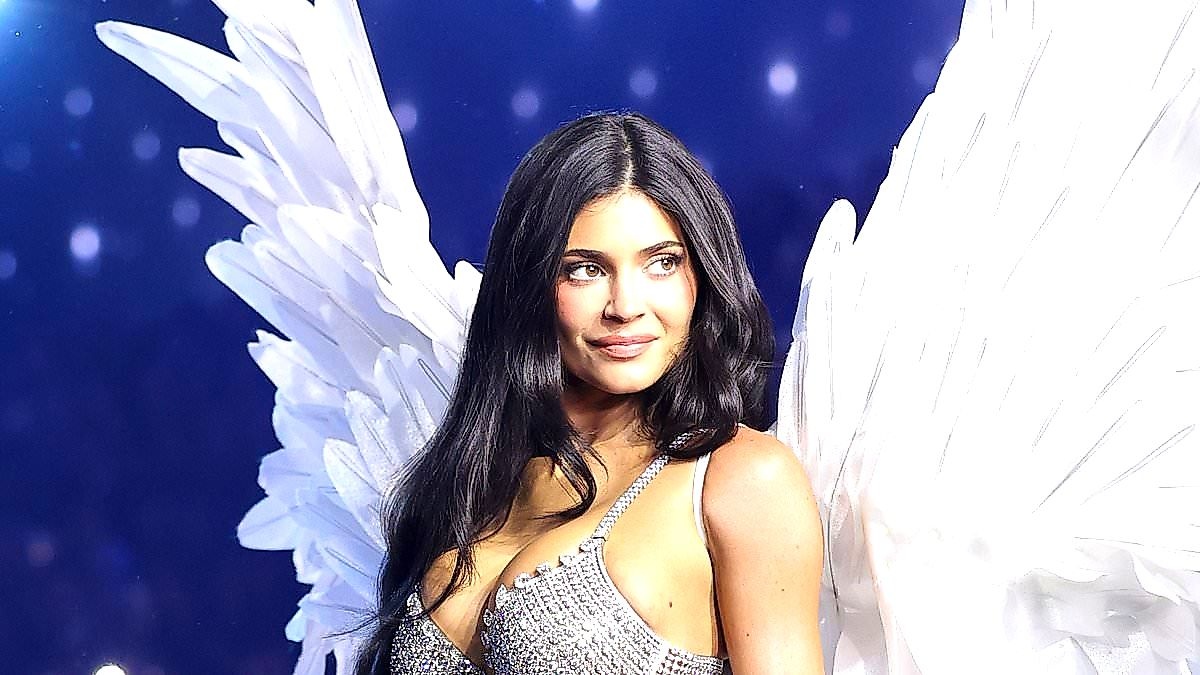
Kylie Jenner's $50 million Fantasy Bra Shocks Fashion World
Kylie Jenner, 29, dazzled the crowd with a $50 million Fantasy Bra studded with a $22 million yellow diamond and 4,400 smaller gems, turning the runway into a glittering spectacle.
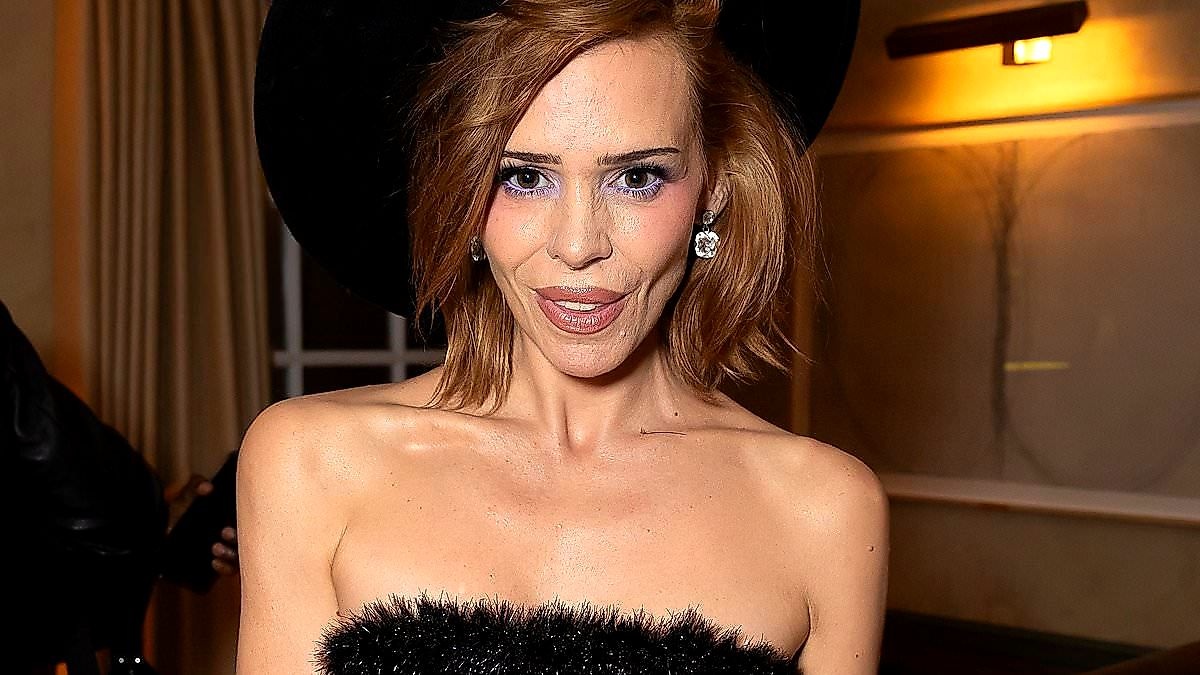
Billie Piper's 44-Year-Old Furry Strapless Dress Dazzles at Dinner
Her striking purple eyeliner and oversized black hat turned heads, while a glittering faux‑fur dress left photographers scrambling for perfect shots.

Lisa Barlow's 60‑minute lip‑liner marathon shocks fans
She revealed the pink‑brown lip liner she re‑applies every hour keeps her lips flawless all day, while she promotes Vita Coco’s coconut‑water desserts.