
Andrew Stein & Gloria Steinem’s 1968 DNC fling collapsed over Trump
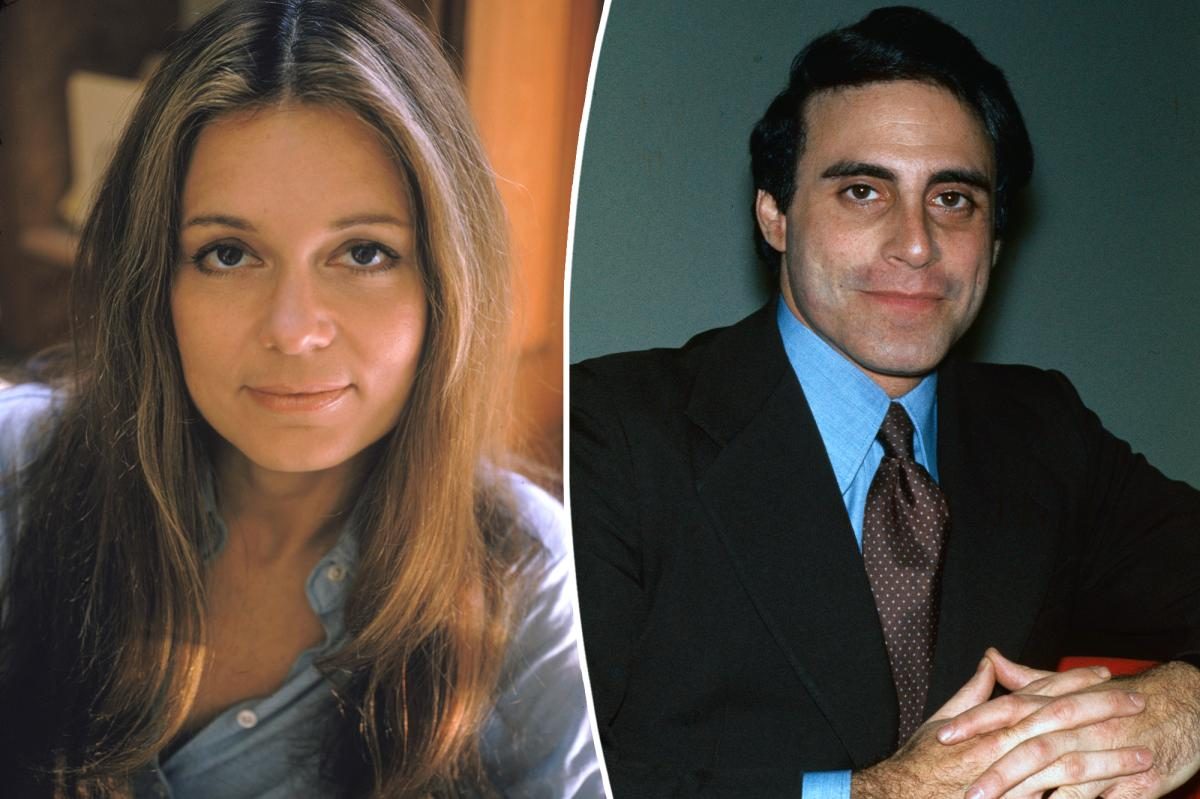
Andrew Stein, the former Manhattan Borough President, and feminist icon Gloria Steinem once shared a brief romance that unfolded amid the chaos of the 1968 Democratic National Convention in Chicago.
The affair began when Steinem—then a budding activist—requested to borrow Stein’s delegate credentials for a night on the convention floor.
Their connection evolved into a three‑to‑five‑month relationship that lasted until the early 1970s, after which the two remained close friends and late‑night phone pals for decades.
The story has gained fresh attention following Steinem’s recent death at age 92. Her passing has prompted reflections on her historic influence, her relationships with political allies, and the way her friendship with Stein spanned a turbulent era in American politics.
Stein’s own career—spanning city council leadership, mayoral bids, and a notable endorsement of Donald Trump in 2016—provides a striking backdrop to the personal narrative that unfolded on the convention floor.
## Background & Context
The 1968 Democratic National Convention was marked by civil unrest, anti‑Vietnam War protests, and a violent confrontation that culminated in police violence and tear gas. Stein, the youngest delegate that year, recalled the scene as “unbelievable,” noting how tanks and bayonets surrounded the International Amphitheatre in Chicago.
The chaos made the convention floor accessible only to official delegates; this exclusivity set the stage for Steinem’s bold request.
In that charged environment, Steinem approached Stein with a daring proposition. She asked to borrow his credentials for 20 minutes, offering dinner in exchange—a deal Stein ultimately accepted. Their meeting on the floor was brief, but it sparked an immediate connection that led to a romantic affair lasting several months.
The convention’s atmosphere reflected the broader social upheaval of the era, and both Stein and Steinem were deeply embedded in the political currents of the time. Stein’s future political career would be shaped by his early experience as a delegate, while Steinem’s activism would soon take her to the forefront of feminist politics.
Their encounter at the convention remains a notable intersection of personal and political history.
## The 1968 Convention: A Turning Point
Chicago in August 1968 was a cauldron of protest and police force. Students from across the country marched outside the convention, demanding an end to the war and the recognition of civil‑rights issues. The National Guard was called in, and the city’s police chief deployed armored vehicles inside the convention hall.
It was an event that would become emblematic of a generation’s frustration—and a generation’s hope for change.
The Democratic Party itself was deeply divided. Senator Eugene McCarthy had challenged incumbent President Lyndon B. Johnson’s Vietnam policy, while Senator Robert F.
Kennedy and former Vice‑President Hubert H. H. Baker each campaigned for their own versions of a new platform.
In the midst of this internal conflict, activists like Gloria Steinem were searching for allies who could help push the party toward a more progressive agenda.
Andrew Stein’s delegation was a unique one: he was the youngest delegate in history, a 23‑year‑old student from New York. His youthful energy and willingness to engage in dialogue made him approachable to people who were otherwise on the fringes of the convention. It was against this backdrop that Steinem saw an opportunity.
## Romantic Affair at the Convention
After securing Stein’s credentials, Steinem and Stein shared dinner that night in Chicago. The meal served as a catalyst for what Stein described as a “little affair” that spanned three to five months. Their relationship took place in the shadow of civil‑rights activism and anti‑war sentiment, adding a layer of urgency to their intimacy.
Stein recalled that Steinem lived on 118 East 73rd Street—a detail he later found significant. He noted that she still resided there until her death, underscoring the longevity of their friendship beyond the romance. While the affair ended in the early 1970s, Stein and Steinem maintained contact through nightly phone calls for decades.
The romantic liaison did not remain secret for long; activists like Abbie Hoffman later joked that Stein had “just picked up Gloria Steinem.” Stein’s own reflection on that moment emphasizes how quickly a personal connection can form amid political turbulence.
Their friendship endured well into the 21st century, with Stein expressing fond memories of sharing chicken soup when Steinem’s health waned.
## Political Rift and Final Break
Despite their enduring friendship, politics eventually created a rift. Stein acknowledged that his political views grew more conservative while Steinem’s became increasingly liberal. Their divergent stances on policy gradually shifted the nature of their interactions from romantic to platonic.
In 2016, Stein endorsed Donald Trump and published an op‑ed in the Wall Street Journal arguing that party loyalty should not dictate his vote against Hillary Clinton. Steinem responded with a furious phone call, questioning Stein’s support for Trump.
Stein replied that he believed Trump would be a better president than Clinton; the conversation ended then and no further contact followed.
Stein described Steinem as “a sweet tender person” and noted that she was a “real liberal” whose ideals conflicted with his. He reflected on their last dinner a decade prior, attributing their breakup to the growing political divide.
The final break did not erase Stein’s admiration for her, as he recalled her sending him soup during illness.
The fallout over Trump’s candidacy illustrates how deeply entrenched political differences can alter personal relationships that once thrived on shared activism.
## Legacy and Public Memory
Gloria Steinem’s influence on feminist thought is undeniable. Her books—most notably *“We Have a Right to Be.: the Women’s Movement”*—and her co‑founding of *Ms.* magazine created platforms that amplified women’s voices in politics, media, and society.
Andrew Stein, on the other hand, became a notable figure in New York City politics, leading the Manhattan borough as its president and running for mayor on a platform that blended urban development with fiscal conservatism.
When Steinem passed away, many remembered her not only for her activism but also for her humanity. The narrative of the Chicago affair resurfaced as how fleeting moments can leave lasting impressions.
For fans and scholars alike, the story illustrates the intersection of personal lives with the broader historical currents that shape a nation.
## Fan Reaction
Readers across the country expressed a mixture of admiration and curiosity about the 1968 romance. Many commented that the affair felt almost cinematic—an unexpected meeting between two figures destined to leave their marks in different ways.
Some mourned the loss of the connection, while others celebrated how both women carried on with their convictions, even when those convictions eventually pulled them apart.
Social media platforms filled with tributes that highlighted Steinem’s role as a feminist trailblazer and Stein’s contributions to municipal governance. A popular hashtag drew attention to “the night that changed two lives,” prompting users to share anecdotes about how the convention had shaped their own civic engagement.
## Industry Impact
The relationship between Steinem and Stein is often cited in discussions about the role of personal networks in political activism. In the decades since the convention, scholars have noted how shared experiences—especially during formative events—can influence future policy positions.
The 1968 affair is used as a case study in university courses covering political science, gender studies, and urban planning.
the story underscores how political ideologies can evolve over time. Stein’s shift toward conservatism and Steinem’s unwavering commitment to liberal feminist ideals mirror larger trends within American politics.
By examining their relationship, students gain insight into how personal relationships can both reflect and influence the ideological landscape.
## Conclusion
Andrew Stein and Gloria Steinem’s brief romance at the 1968 Democratic National Convention serves as a microcosm of America’s political evolution. It demonstrates how the energies of a single event can spark connections that outlast a generation.
While their eventual divergence over Trump’s candidacy highlights the power of ideology to reshape even the closest of bonds, it also reaffirms the enduring respect each held for the other.
As society reflects on Steinem’s legacy, her name remains synonymous with feminist empowerment, while Stein’s career continues to illustrate the complexities of urban governance. Together, they remind us that personal stories—whether romantic or platonic—are inseparable from the larger currents of history that shape our nation.
Why It Matters
Our Take
GoNews Pulse Editorial Team
This article was prepared for publication by GoNews Pulse and checked for publication requirements under our editorial standards. We review available information and correct material errors when they are identified.
Quick Answers
- What is the latest update on this story?
- Their whirlwind 1968 DNC romance turns into a public showdown when Trump’s endorsement sparks a bitter split.
- Who is this story about?
- This article covers developments related to Andrew Stein & Gloria Steinem’s 1968 DNC fling collapsed over Trump. GoNews Pulse's editorial team monitors the story and updates the article as new verified information becomes available.
- Where can I read more about Andrew Stein?
- GoNews Pulse publishes original reporting on Andrew Stein and related entertainment news. Visit the homepage or browse the section dedicated to this story for the latest coverage.
Related topics
- #Andrew Stein
- #Gloria Steinem
- #Trump endorsement 2016
- #feminist movement
More From This Section

Jon Gosselin's 22‑Year‑Old Son Exposes Abuse, Father Shouts Support
Jon Gosselin declares that his son’s 22‑year‑old memoir exposes alleged institutionalization and a hidden ‘small holding’ cell, sparking a national debate.

Mike Colter's Valley Firm AGI Bo Revealed at 2:00 a.m. Shocks Fans
Rob McClure's portrayal of Bo forces the firm to confront a real‑world AGI asking for legal guardrails, sparking a tense ethical debate.

Meredith Grey's bed proposal to Nick on surgery table stuns fans
Meredith Grey slipped a ring into Nick's hand while he lay on the operating table, a move that stunned fans amid the bridge collapse.