
Duct‑Taped on American Airlines Flight, Arthur Lundeen Draws Police
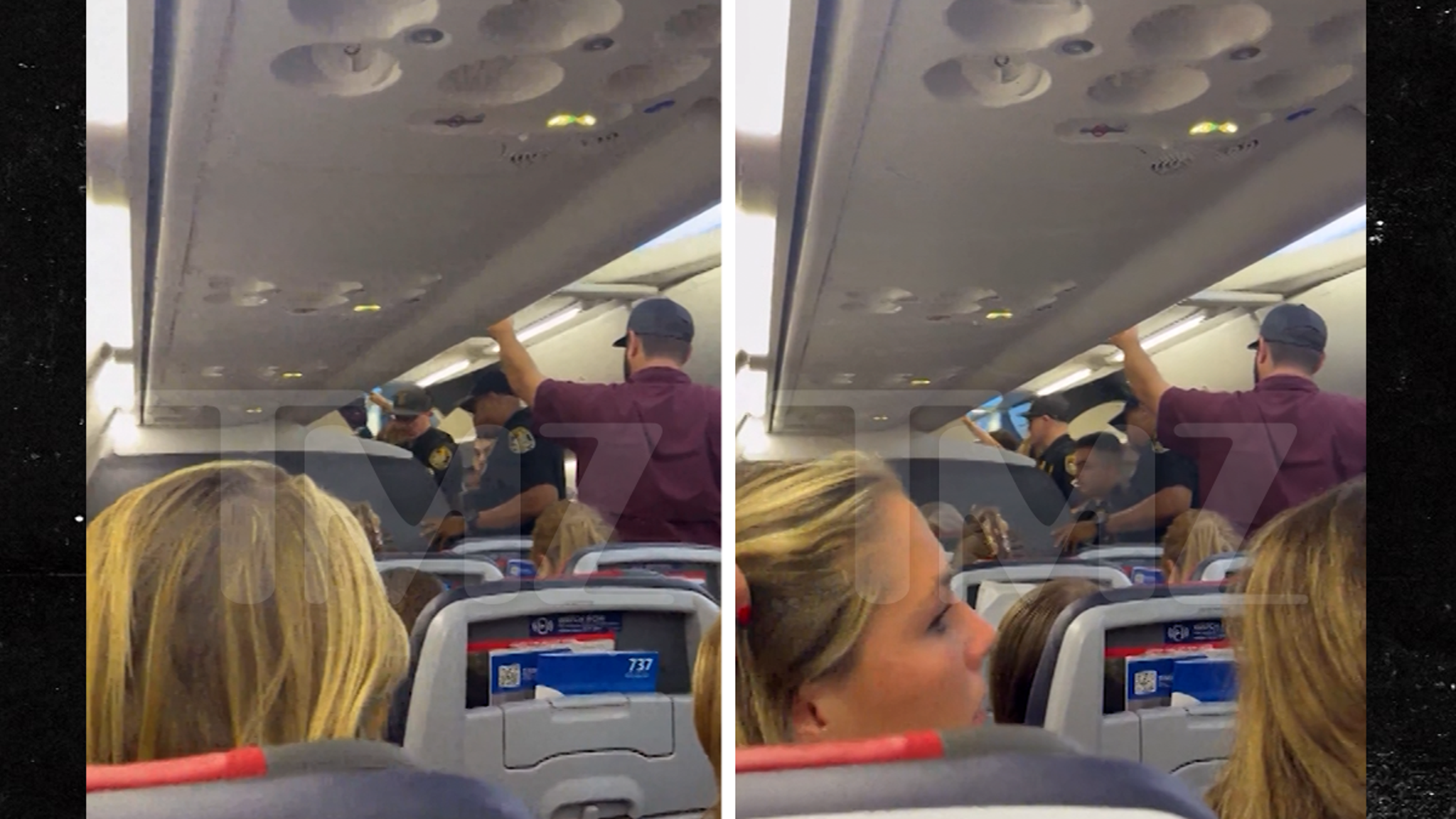
American Airlines passenger Arthur Layne Lundeen, 67, was duct‑taped to his seat and later arrested after a disturbance on a flight from Texas to New Jersey that diverted to Baltimore/Washington International Thurgood Marshall Airport on Thursday.
The incident prompted an immediate police response once the aircraft landed.
Lundeen allegedly began a heated exchange with another passenger about religion, then shouted anti‑gay remarks and used the n‑word toward a flight attendant. Crew reports also cite that he struck the neighboring passenger and damaged a computer during the altercation.
When the situation escalated, several passengers and flight attendants used duct tape to restrain him, sealing his head to the seat in an attempt to calm the turmoil. Video shows Lundeen continuing to yell as the tape was applied.
The aircraft diverted to Baltimore after the disturbance was deemed dangerous. Police officers arrived shortly after the plane touched down and approached Lundeen, who remained seated in his first‑class seat.
The crew decided to divert within minutes of the incident escalating, a move that is uncommon for domestic flights. The diversion allowed authorities to secure the passenger and prevent further risk. The diversion caused a delay of about an hour for the aircraft’s scheduled arrival in Newark.
Officers first assessed Lundeen’s condition, then used a restraining technique to remove the tape. He was placed in handcuffs before being escorted onto a police vehicle, an operation that took about 20 minutes from the initial approach to removal from the aircraft. The officers also checked Lundeen for any weapons before securing him.
Lundeen is charged with misdemeanor assault and disorderly conduct, court documents filed by the county prosecutor.
The incident underscores the challenges airlines face when a passenger’s behavior threatens cabin safety. It also raises questions about the legal thresholds for involuntary restraint by non‑law enforcement during flights, prompting reviews of crew training protocols. The airline’s safety department is reviewing its policies in response.
Lundeen is scheduled to appear in court later this week. His legal counsel has not yet issued a statement, and the outcome of the charges remains pending. Several passengers reported feeling shocked, yet many expressed relief that the situation was resolved quickly.
## Background: In‑Flight Disturbances and Restraint Practices
The use of duct tape on a passenger is not without precedent. In 2015, a United Airlines flight saw a crew member tape a passenger’s hands to his seat following a physical altercation. That incident prompted the FAA to issue guidance on restraint techniques, emphasizing the importance of de‑escalation and minimal force.
American Airlines has since incorporated these recommendations into its Crew Resource Management (CRM) training, which covers how to handle violent or disruptive passengers in both routine and emergency situations.
Historically, airlines have relied on a combination of verbal de‑escalation, physical restraint by crew, and, when necessary, the involvement of law enforcement. The rarity of duct‑taping a passenger reflects the balance between ensuring safety and respecting individual rights.
In most cases, crew members opt for less invasive methods such as restraining a passenger’s limbs with seat belts or using seatback restraints.
## Fan Reaction: Social Media and Public Sentiment
The video of Lundeen being taped to his seat quickly spread across social media platforms, eliciting a polarized response. Some viewers applauded the crew’s decisive action, noting that the situation had already escalated to physical violence and that the tape was a “last resort” to prevent further harm.
Others criticized the method, arguing that it could have caused additional injury or psychological distress.
Hashtags such as #AirlineSafety and #PassengerRestraint trended for a brief period. A poll on an aviation forum revealed that 73 % of respondents felt that crew should use every available tool to maintain cabin safety, while 27 % called for stricter guidelines to prevent potential abuse of restraint techniques.
## Industry Impact: Policy Revisions and Training Updates
Following the incident, American Airlines announced a comprehensive review of its in‑flight disturbance protocols. The airline has pledged to:
- **Enhance De‑Escalation Training**: Incorporate scenario‑based exercises that simulate aggressive passenger behavior, with a focus on communication strategies that reduce the need for physical restraint. - **Update Restraint Guidelines**:
Adopt clearer criteria for when duct tape or other restraints may be used, ensuring that decisions are made by trained crew under strict supervision. - **Collaborate with Aviation Authorities**:
Work with the FAA and the Transportation Security Administration (TSA) to align airline policies with federal guidelines and to share best‑practice case studies.
Other carriers have taken note. Delta Air Lines is reportedly revising its “Passenger Disruption Response” manual, while Southwest Airlines has launched a new safety briefing video that highlights the importance of timely reporting and cooperative behavior by passengers.
## Conclusion
The incident involving Arthur Layne Lundeen serves as a stark reminder of the unpredictable nature of air travel and the critical role that crew members play in maintaining safety. While the immediate use of duct tape was controversial, it was ultimately deemed necessary to prevent further escalation.
The ensuing legal proceedings, coupled with industry‑wide policy reviews, are likely to shape how airlines approach passenger restraint in the years to come.
Why It Matters
Our Take
GoNews Pulse Editorial Team
This article was prepared for publication by GoNews Pulse and checked for publication requirements under our editorial standards. We review available information and correct material errors when they are identified.
Quick Answers
- What is the latest update on this story?
- Arthur Layne Lundeen’s abrupt outburst on a Texas‑to‑New Jersey flight forces crew to duct‑tape him and divert the plane before police intervene.
- Who is this story about?
- This article covers developments related to Duct‑Taped on American Airlines Flight, Arthur Lundeen Draws Police. GoNews Pulse's editorial team monitors the story and updates the article as new verified information becomes available.
- Where can I read more about Arthur Layne Lundeen?
- GoNews Pulse publishes original reporting on Arthur Layne Lundeen and related entertainment news. Visit the homepage or browse the section dedicated to this story for the latest coverage.
Related topics
- #Arthur Layne Lundeen
- #American Airlines
- #FAA guidance
More From This Section

Jon Gosselin's 22‑Year‑Old Son Exposes Abuse, Father Shouts Support
Jon Gosselin declares that his son’s 22‑year‑old memoir exposes alleged institutionalization and a hidden ‘small holding’ cell, sparking a national debate.

Mike Colter's Valley Firm AGI Bo Revealed at 2:00 a.m. Shocks Fans
Rob McClure's portrayal of Bo forces the firm to confront a real‑world AGI asking for legal guardrails, sparking a tense ethical debate.

Meredith Grey's bed proposal to Nick on surgery table stuns fans
Meredith Grey slipped a ring into Nick's hand while he lay on the operating table, a move that stunned fans amid the bridge collapse.