
Amazon Cargo Plane Skids Into Miami Chaos After Speed Warning Missed
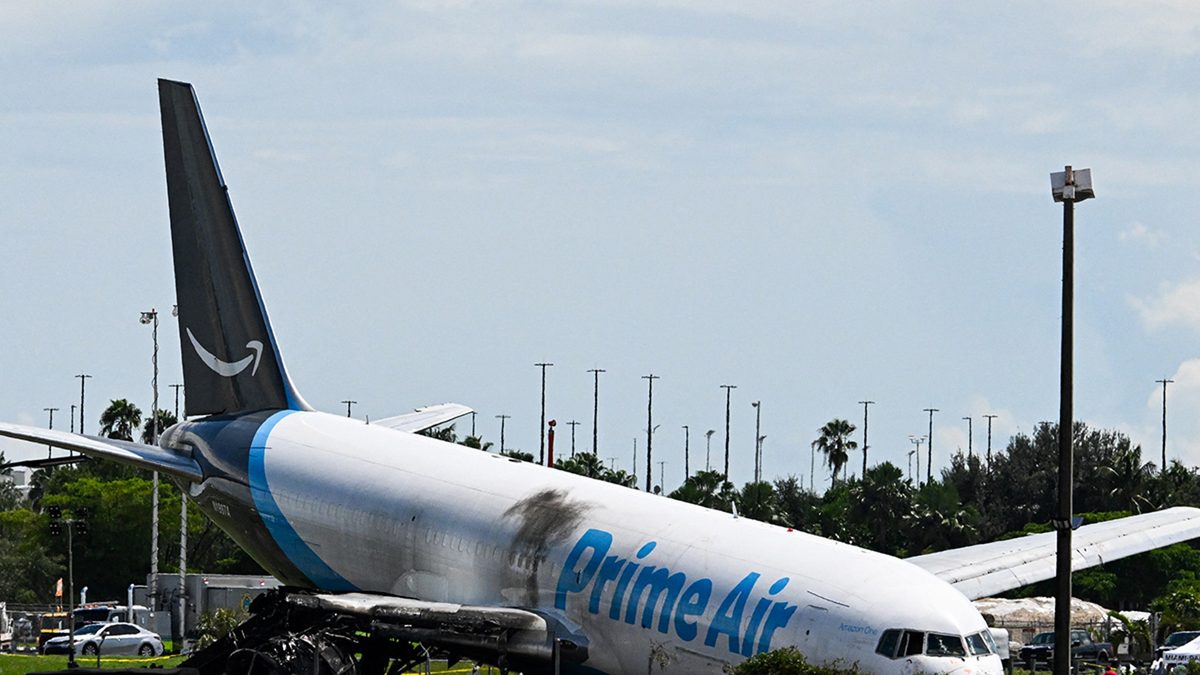
An Amazon‑contracted Boeing 767 operated by 21 Air skidded off the end of Runway 30 at Miami International Airport on September 6, striking a traffic‑convenient van and igniting a fire.
The aircraft, carrying freight for Amazon, touched down at an estimated speed of 158 knots—about 182 mph—while the nose and right main landing gear were still descending. Throttle adjustments during the last seconds of flight suggest the crew attempted a go‑around before immediately pulling back to idle.
Five workers in the van were killed, and five additional people sustained injuries. Both pilots survived the impact, but their aircraft rolled approximately 1,300 feet beyond the runway threshold before colliding with ground vehicles.
## Background on Amazon Cargo Operations
Amazon launched its own cargo network in 2015, initially using small regional jets to ferry parcels to hubs across the United States. By 2020 the company had shifted to larger wide‑body aircraft, largely leasing Boeing 767s from carriers such as 21 Air and Atlas Air.
The Boeing 767, originally designed for passenger service in the 1980s, has become a staple of cargo fleets worldwide because of its high payload capacity and proven reliability. Amazon’s contracts involve thousands of cargo flights each month, many of which operate during peak holiday periods when airport traffic is at its highest.
The Miami‑based incident is the first significant safety event involving an Amazon‑contracted Boeing 767 since the company began its freight operations.
The airline’s rapid expansion has drawn attention from regulators and industry observers alike, prompting an examination of training, maintenance, and operational procedures across the network.
## Accident Details
The flight originated from Fort Lauderdale–Hollywood International Airport, bound for Miami International Airport’s Cargo Terminal 1. preliminary data, the aircraft was at a cruising altitude of 28 000 feet when it began its descent to Miami.
During the approach, the autopilot disengaged at approximately 6 NM from the runway, leaving manual control to the pilots.
At touchdown, the aircraft’s landing gear had not fully extended; only the nose and right main gear were contacting the runway surface. The recorded touchdown speed of 158 knots exceeded the recommended V<sub>REF</sub> for a fully loaded Boeing 767 by roughly 12 knots.
As the aircraft slid along Runway 30, it failed to deploy reverse thrust or speed‑brakes, relying solely on wheel brakes to decelerate.
The aircraft rolled beyond the threshold, collided with a convoy of ground vehicles parked in a queue for access road clearance, and sparked a fire that consumed part of the van and surrounding cargo containers.
## Investigation Findings
A recently released audio transcript from the cockpit voice recorder shows one pilot repeatedly warning that the aircraft was traveling too fast and too low. The alert began roughly 1 minute and 42 seconds before the end of the recording. No consistent verbal response from the second pilot is evident in the dialogue.
The flight data recorder indicates that automated systems issued a series of “sink rate” warnings, followed by multiple “too low terrain” alerts. The autopilot disengaged during the approach, yet the crew continued toward the runway with no change in thrust settings for several seconds.
Near the end of the flight‑data log, the throttles were increased to a level consistent with a go‑around attempt. Within seconds, they were pulled back to idle and brakes applied again. There is no indication that speed brakes or thrust reversers were activated during this sequence.
In addition to the audio and data logs, investigators examined meteorological reports that showed clear skies and wind conditions within the operational limits for the airport.
Maintenance records for the aircraft confirm that all critical systems—including landing gear hydraulics, flight‑control computers, and braking equipment—were in serviceable condition at the time of departure.
## Aircraft Performance During Landing
The NTSB preliminary analysis notes that the aircraft’s nose and right main gear touched down at a velocity of 158 knots. The recorded data did not capture any deployment of speed‑brake panels or reverse‑thrust systems. Brakes were applied after the throttles were brought back to idle.
Despite these actions, the plane continued to roll beyond the runway’s end. The aircraft’s trajectory led it into a vehicle queue near the airport’s access road, where it struck a van and ignited. Post‑impact, the jet remained upright for a brief moment before collapsing and catching fire.
The lack of reverse thrust usage is notable. The Boeing 767 normally deploys reverse thrust automatically at or below 110 knots if the autopilot remains engaged. With the autopilot disengaged and no manual override of reverse thrust commanded, the aircraft relied on wheel brakes alone—a significant reduction in deceleration capability.
## Possible Factors and Next Steps
The NTSB is reviewing cockpit recordings, flight‑data metrics, weather reports, aircraft maintenance history, and crew training records. Its current documentation raises a central question: why did the crew proceed with an unstable approach after receiving repeated warnings that the aircraft was too fast and too low?
Investigators will examine whether procedural failures, miscommunication, or equipment malfunctions contributed to the outcome. A final report will clarify the causal chain and recommend measures to prevent similar incidents.
Preliminary speculation points to a potential “crew resource management” lapse. The first pilot’s repeated warnings, coupled with a lack of assertive response from the second pilot, suggest that a go‑around was considered but not executed in a timely manner.
Additionally, the abrupt throttle withdrawal after a brief push‑back raises questions about whether the crew had an adequate plan to transition from high‑speed approach to deceleration.
## Industry Impact
The incident arrives at a time when the aviation industry is re‑examining cargo operations amid growing air‑traffic congestion and heightened safety scrutiny. The Federal Aviation Administration (FAA) has been tightening oversight of cargo carriers that operate under commercial airlines’ contractual arrangements.
This event may accelerate regulatory attention toward Amazon’s growing fleet, prompting stricter enforcement of go‑around procedures and speed‑brake deployment during landings.
Major cargo operators are reportedly reviewing their training modules for pilot crews handling high‑speed approaches, especially on wide‑body aircraft.
Airlines that rely heavily on wet leases—where the operator retains control over the crew—are exploring additional monitoring mechanisms to ensure compliance with standard operating procedures.
## Fan Reaction
A surge of messages from aviation enthusiasts and professional pilots appeared on online forums and social media platforms. Many expressed concern that this accident could signal a broader trend of operational complacency in cargo aviation, where efficiency targets sometimes clash with safety margins.
Aviation analysts highlighted that the incident underscores the importance of clear crew communication, especially during critical phases like landing.
Industry experts also noted that the use of older aircraft models, such as the Boeing 767, does not inherently increase risk; instead, it is the operational context—such as crew training and adherence to procedures—that determines safety.
The accident has prompted discussions on whether cargo operators should adopt newer aircraft equipped with advanced automation to aid in approach stability.
## Conclusion
The investigation remains active, with additional findings expected as data analysis continues. The preliminary insights point to a complex interplay of pilot decision‑making, procedural adherence, and system performance.
As the aviation community digests the lessons from this incident, the focus will remain on reinforcing safety culture within cargo operations and ensuring that speed and approach warnings are treated with the urgency they warrant.
Why It Matters
Our Take
GoNews Pulse Editorial Team
This article was prepared for publication by GoNews Pulse and checked for publication requirements under our editorial standards. We review available information and correct material errors when they are identified.
Quick Answers
- What is the latest update on this story?
- Amazon crew fail to deploy reverse thrust as the 767 skids off Miami’s runway, sparking a deadly blaze.
- Who is this story about?
- This article covers developments related to Amazon Cargo Plane Skids Into Miami Chaos After Speed Warning Missed. GoNews Pulse's editorial team monitors the story and updates the article as new verified information becomes available.
- Where can I read more about Amazon?
- GoNews Pulse publishes original reporting on Amazon and related entertainment news. Visit the homepage or browse the section dedicated to this story for the latest coverage.
Related topics
- #Amazon
- #Boeing 767
- #Miami International Airport
- #21 Air
- #NTSB investigation
More From This Section

Jon Gosselin's 22‑Year‑Old Son Exposes Abuse, Father Shouts Support
Jon Gosselin declares that his son’s 22‑year‑old memoir exposes alleged institutionalization and a hidden ‘small holding’ cell, sparking a national debate.

Mike Colter's Valley Firm AGI Bo Revealed at 2:00 a.m. Shocks Fans
Rob McClure's portrayal of Bo forces the firm to confront a real‑world AGI asking for legal guardrails, sparking a tense ethical debate.

Meredith Grey's bed proposal to Nick on surgery table stuns fans
Meredith Grey slipped a ring into Nick's hand while he lay on the operating table, a move that stunned fans amid the bridge collapse.