
Amazon Air 767 Overruns Miami Runway, Hits Truck – Crew Killed
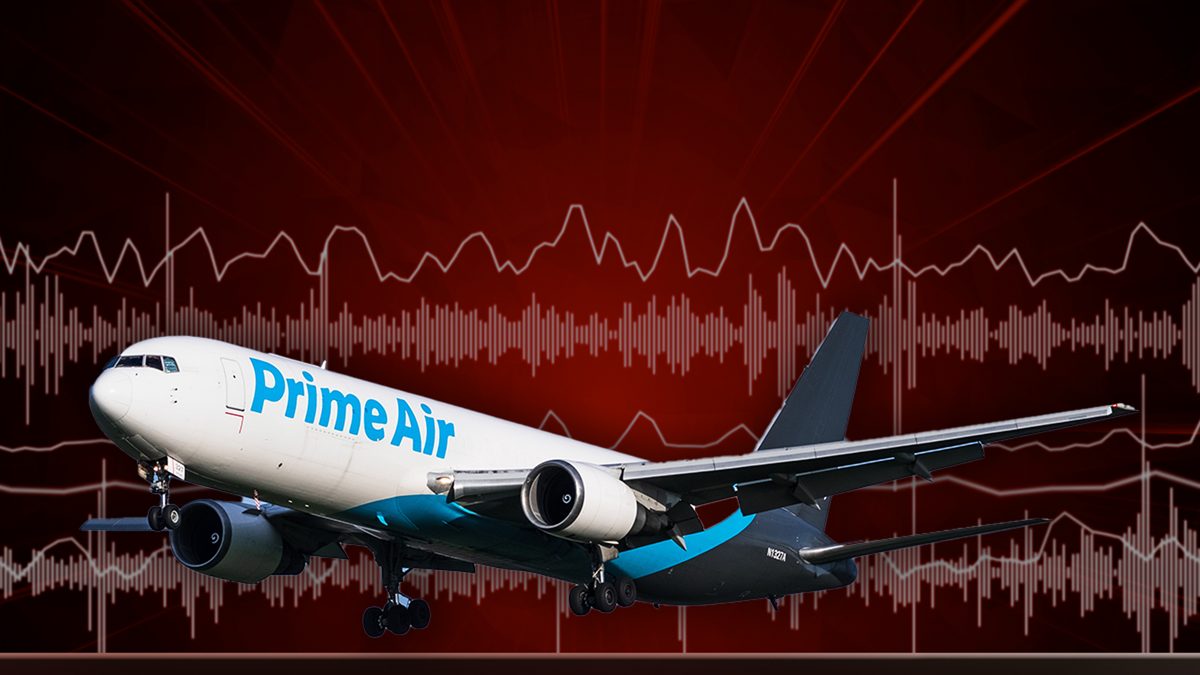
A Boeing 767 cargo aircraft operated by Amazon Air veered off the final runway at Miami International Airport on Sunday evening, striking a truck and spilling onto a nearby roadway. Emergency crews found one body beneath the plane’s right wing, confirming the first fatality in an Amazon Air incident.
The aircraft, bound from San Juan, Puerto Rico to Miami, overran the runway after touchdown and collided with a delivery vehicle before coming to rest. Audio from emergency dispatch shows responders shouting about a fire as they poured water onto the wreckage.
The accident has drawn attention to cargo‑air safety and prompted an immediate investigation by airport and federal authorities.
## Background & Context
Amazon Air launched its first cargo‑freight operation in 2013, but it wasn’t until 2019 that the company began flying Boeing 767 freighters. The 767‑300ER platform, originally designed for passenger use in the 1980s, was converted into a high‑capacity freighter by Boeing’s specialized freight division.
With a cargo volume of roughly 100 tons and a range of over 4,000 nautical miles, the 767 became Amazon’s workhorse for moving thousands of packages daily across the United States.
The aircraft that crashed was one of several in Amazon Air’s growing fleet—now numbering more than 150 freighters worldwide. The company has built an extensive network of regional distribution centers and hub airports, allowing it to fulfill same‑day and next‑day delivery promises that customers have come to expect.
In 2023, Amazon Air transported nearly 4 million metric tons of cargo, a figure that has surged as e‑commerce demand continues to climb.
Miami International Airport’s runway 13 measures 12,000 feet and is equipped with standard reverse‑thrust and braking systems used by most large commercial jets. On the night of the crash, wind conditions were light and visibility was good, making the overrun an unexpected event for both pilots and ground crews.
The Boeing 767’s approach speed on landing was within normal limits, and the aircraft’s thrust reversers had engaged upon touchdown.
Similar run‑out incidents have occurred in cargo aviation history—most notably the 2008 crash of a UPS Airlines Boeing 757 over Houston, where runway overrun caused a fatality, and the 2014 incident involving a FedEx Express Boeing 727 that slipped off a wet runway in Kansas.
Fatalities in such events are rare, but investigators have consistently found that factors such as braking system performance, runway length relative to aircraft weight, and pilot decision‑making play critical roles.
Amazon Air has a strong safety record. In 2023 alone, the company logged no serious incidents across its fleet. However, this crash marks the first time a crew member has been killed on board an Amazon freighter.
## What People Are Saying
Audio captured by emergency dispatch at the scene includes a dispatcher warning, “Guys, the plane’s on fire, plane’s on fire, put your game faces on.” Fire crews are seen spraying water and foam as they work around a scorched wreckage that is surrounded by smoke and flames.
The emergency response was described as frantic from the start, with crews coordinating quickly to contain the blaze.
In the hours that followed, Amazon posted a brief statement: The company has not yet released the identity of the deceased or any details about potential injuries among other crew members.
Social media offers a window into how the public is reacting. A thread on Twitter from an Amazon employee shared a photo of the emergency response team and thanked Meanwhile, a group of e‑commerce industry analysts on LinkedIn discussed the incident in terms of operational risk, noting that
Fans of Amazon’s Prime delivery services expressed a mix of shock and support. A Reddit user in the r/Prime subreddit wrote, Others pointed to the need for better public reporting of cargo incidents, arguing that such events are often under‑reported compared to passenger aviation.
The local community in Miami also reacted. A Facebook post from a nearby business owner read, The post received a flurry of likes and supportive comments.
## Industry Impact
The incident has reverberated across the cargo aviation sector. The National Transportation Safety Board (NTSB) will lead the investigation, following standard protocols for commercial aircraft incidents. The board will examine flight data recorders, cockpit voice recordings, and maintenance logs.
A preliminary report is expected within several weeks, with a final report issued once all evidence has been reviewed.
The Federal Aviation Administration (FAA) is also involved in reviewing Amazon Air’s operational procedures and the maintenance history of the involved aircraft. Regulatory bodies will evaluate whether any changes to cargo‑air safety regulations are warranted based on findings from the investigation.
In particular, the FAA is looking at runway design parameters for large freighters, especially at airports where wind shifts can impact braking performance.
Other cargo carriers have begun re‑examining their own operations in light of Amazon’s crash. United Airlines Cargo announced a review of its freighter fleet’s reverse‑thrust efficiency, while FedEx Express has initiated a temporary audit of runway length calculations at its key hubs.
These moves underscore how a single incident can prompt industry‑wide introspection and operational changes.
From a broader perspective, the crash highlights the growing pains that accompany the rapid expansion of e‑commerce logistics. As delivery companies push to reduce turnaround times, the number of large freighters on the ground has increased dramatically.
This trend raises questions about runway capacity, maintenance schedules, and crew training requirements that were originally designed for a smaller scale operation.
## What Happens Next
The National Transportation Safety Board (NTSB) will lead the investigation into the crash, following standard protocols for commercial aircraft incidents. The board will examine flight data recorders, cockpit voice recordings, and maintenance logs.
A preliminary report is expected within several weeks, with a final report issued once all evidence has been reviewed.
The Federal Aviation Administration (FAA) is also involved in reviewing Amazon Air’s operational procedures and the maintenance history of the involved aircraft. Regulatory bodies will evaluate whether any changes to cargo‑air safety regulations are warranted based on findings from the investigation.
Amazon Air has not announced any immediate suspension of flights or fleet grounding. However, depending on the investigation’s outcome, the company could face operational adjustments or increased oversight from aviation regulators.
Passengers and customers may experience temporary disruptions as authorities conduct a thorough review of airport safety measures and aircraft handling protocols.
The incident underscores the importance of stringent safety practices in cargo aviation, particularly as demand for rapid delivery services continues to grow. Investigators will scrutinize all aspects of the flight, from pilot training to runway design, to prevent future tragedies.
The final outcome of the investigation remains pending, and authorities have yet to release a complete casualty list. The focus now is on uncovering the root causes of the overrun and ensuring that similar incidents can be avoided in the future.
Why It Matters
Our Take
GoNews Pulse Editorial Team
This article was prepared for publication by GoNews Pulse and checked for publication requirements under our editorial standards. We review available information and correct material errors when they are identified.
Quick Answers
- What is the latest update on this story?
- A Boeing 767 cargo plane overrun at Miami International turns fatal after slamming into a truck—find out who perished and the chain of events.
- Who is this story about?
- This article covers developments related to Amazon Air 767 Overruns Miami Runway, Hits Truck – Crew Killed. GoNews Pulse's editorial team monitors the story and updates the article as new verified information becomes available.
- Where can I read more about Amazon Air?
- GoNews Pulse publishes original reporting on Amazon Air and related entertainment news. Visit the homepage or browse the section dedicated to this story for the latest coverage.
Related topics
- #Amazon Air
- #Boeing 767
- #Miami International Airport
- #FAA
- #NTSB
- #runway overrun
More From This Section

Jon Gosselin's 22‑Year‑Old Son Exposes Abuse, Father Shouts Support
Jon Gosselin declares that his son’s 22‑year‑old memoir exposes alleged institutionalization and a hidden ‘small holding’ cell, sparking a national debate.

Mike Colter's Valley Firm AGI Bo Revealed at 2:00 a.m. Shocks Fans
Rob McClure's portrayal of Bo forces the firm to confront a real‑world AGI asking for legal guardrails, sparking a tense ethical debate.

Meredith Grey's bed proposal to Nick on surgery table stuns fans
Meredith Grey slipped a ring into Nick's hand while he lay on the operating table, a move that stunned fans amid the bridge collapse.