
Amanda Peet's 54-Year-Old Closet Checkup Reveals Cancer
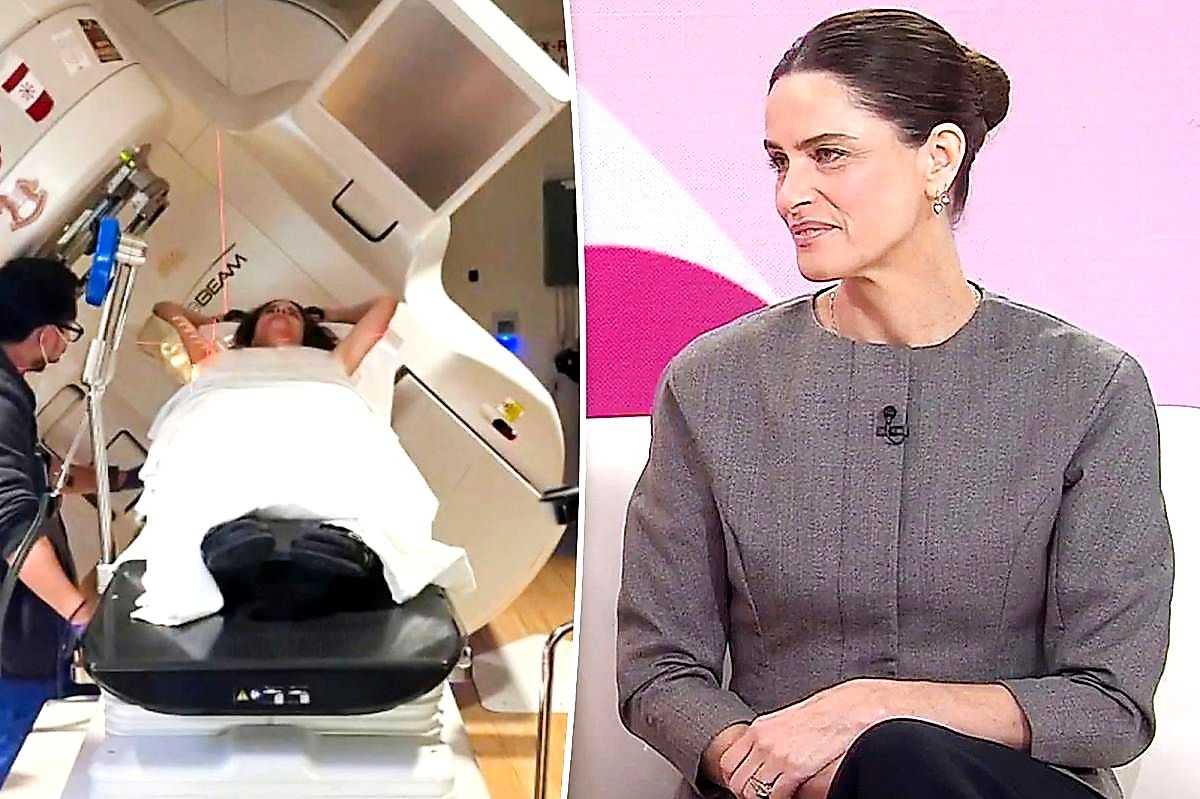
# Amanda Peet’s 54‑Year‑Old Closet Checkup Turns Into Cancer Diagnosis In a moment that might have seemed like a trivial wardrobe mishap, Amanda Peet’s routine self‑inspection revealed a hidden threat that would reshape her life.
While rummaging through her closet at home, the *Whole Nine Yards* star felt an odd sensation under her skin—nothing like the classic “frozen pea” warning many people now associate with breast cancer. The feeling was subtle but unsettling, prompting her to seek professional advice.
Months later, the diagnosis would come: lobular carcinoma, the second most common form of breast cancer. Peet’s story unfolded publicly during a candid appearance on the *Today* show, where host Savannah Guthrie asked about the episode.
The actress described the initial “weirdness” she experienced and the confusion that followed when her first imaging tests returned normal. It wasn’t until a routine scan six months later that her doctor noticed something that warranted further investigation.
When the results confirmed cancer, Peet reflected on the surreal transition from a simple wardrobe check to a life‑altering diagnosis.
Her journey is more than a medical case study; it is a reminder of how breast cancer can hide in plain sight and how early detection often hinges on paying close attention to bodily changes.
By sharing her experience, Peet offers both a warning and a roadmap for those navigating their own health challenges. ## Background & Context Amanda Peet, known for her roles in *Your Friends & Neighbors* and *The 2012*, is 54 years old.
Her health scare began in a moment of routine self‑care: while putting on a coat, she felt a strange, non‑tender irregularity beneath her skin. The sensation differed from the textbook “frozen pea” description that has become a common self‑screening sign.
Instead, it felt simply “weird,” prompting her to schedule a diagnostic MRI. When the imaging came back clean, she assumed her body was fine and that the feeling had been a false alarm.
Six months later, during what should have been a routine ultrasound, the radiologist detected an abnormality. The image prompted a more detailed examination, leading to a biopsy that confirmed lobular carcinoma.
Unlike the more common ductal cancer, lobular cancer can be more diffuse and harder to detect, often requiring a higher index of suspicion and repeated imaging. This type’s subtle presentation may explain why Peet’s initial tests appeared normal; the lesion had not yet grown to a size that would show up on MRI.
Peet’s experience underscores a broader trend in breast cancer diagnostics. Advances in imaging technology, including MRI and high‑resolution ultrasound, have increased detection rates, yet early signs remain elusive for many patients.
Her case also highlights the importance of follow‑up: even when initial tests return negative, physicians often advise monitoring for changes and repeating scans if any new symptoms arise. ## What People Are Saying During her interview on *Today*, Peet addressed the anxiety that can accompany cancer screening.
“I had no idea how long it would take to get a definitive answer,” she said, acknowledging the slow drip of data that doctors collect—genomic and genetic tests, hormone receptor profiling, and imaging findings—all to paint a full picture for treatment.
This multi‑layered approach can feel overwhelming, especially for patients who are already on edge. Her advice to viewers extends beyond medical protocols.
She cautioned against the lure of the internet, warning that cancer‑diagnosed patients might fall into rabbit holes of misinformation. “If you’re anxious, it can be your nightmare,” she explained.
Instead, she urged patients to rely on trusted healthcare professionals, especially when family members are in the medical field. Peet’s brother‑in‑law and sister are both doctors, a connection that she credits with helping her navigate the maze of tests and opinions.
The broader public has responded with empathy and support. Fans and fellow actors have shared stories of their own health battles, emphasizing how early detection and a strong support network can change outcomes.
Many commentators noted that Peet’s openness demystifies the screening process, encouraging others to be vigilant about bodily changes that might otherwise be ignored.
Her candidness has also sparked conversations about the need for better public education on less obvious cancer symptoms, such as subtle skin texture changes. ## What Happens Next Following her diagnosis, Peet began a treatment regimen that included surgery and hormone therapy.
She reported that the first clear, cancer‑free scan came in mid‑January after undergoing treatment, a milestone she shared in an update on her health a few days after a feature in *The New Yorker* discussed her struggle. Her recovery journey is ongoing, but she maintains a positive outlook.
“I’m doing great,” she told viewers, underscoring her resilience. Peet’s narrative is far from over.
She has expressed a desire to continue speaking publicly about breast cancer awareness, using her platform to educate and advocate for early detection.
As part of her efforts, she plans to collaborate with healthcare organizations to create resources that demystify screening protocols and empower patients to ask the right questions.
She also intends to stay transparent about her medical journey, providing a realistic view of the emotional and logistical challenges that come with cancer treatment. In addition to her public advocacy, Peet remains grounded in family life.
She balances her health commitments with her responsibilities as a mother to two daughters and a son, all while maintaining her partnership with husband David Benioff.
The couple’s shared support system appears to be a cornerstone of her ongoing recovery, illustrating how personal relationships can influence medical outcomes. Amanda Peet’s story serves as a stark reminder that vigilance is essential.
A simple “weird” sensation in the closet can be the first whisper of a silent threat.
Her experience, from the initial discomfort to the eventual confirmation of lobular cancer, and her subsequent fight for recovery, offers a compelling narrative that underscores the importance of early detection, reliable medical guidance, and the power of community support.
As she continues to navigate her path to wellness, her voice remains a potent catalyst for change, encouraging others to listen to their bodies and seek timely care.
At a Glance
- Peet discovered a subtle breast bump during a closet checkup, leading to a lobular carcinoma diagnosis.
- Initial imaging was normal; the cancer was only found after a repeat ultrasound six months later.
- She uses her platform to advocate for early detection, encouraging people to trust medical guidance and stay vigilant.
Why It Matters
Our Take
GoNews Pulse Editorial Team
This article was prepared for publication by GoNews Pulse and checked for publication requirements under our editorial standards. We review available information and correct material errors when they are identified.
Quick Answers
- What is the latest update on this story?
- On the Today show, Peet said she first felt a weird bump while pulling on a coat, a moment that turned into a lobular cancer diagnosis quickly.
- Who is this story about?
- This article covers developments related to Amanda Peet's 54-Year-Old Closet Checkup Reveals Cancer. GoNews Pulse's editorial team monitors the story and updates the article as new verified information becomes available.
- Where can I read more about celebrity news?
- GoNews Pulse publishes original reporting on celebrity news and related entertainment news. Visit the homepage or browse the section dedicated to this story for the latest coverage.
More From This Section

Jon Gosselin's 22‑Year‑Old Son Exposes Abuse, Father Shouts Support
Jon Gosselin declares that his son’s 22‑year‑old memoir exposes alleged institutionalization and a hidden ‘small holding’ cell, sparking a national debate.

Mike Colter's Valley Firm AGI Bo Revealed at 2:00 a.m. Shocks Fans
Rob McClure's portrayal of Bo forces the firm to confront a real‑world AGI asking for legal guardrails, sparking a tense ethical debate.

Meredith Grey's bed proposal to Nick on surgery table stuns fans
Meredith Grey slipped a ring into Nick's hand while he lay on the operating table, a move that stunned fans amid the bridge collapse.