
Alleged Chi Phi gang rape claim shocks Cornell, canceling homecoming concert
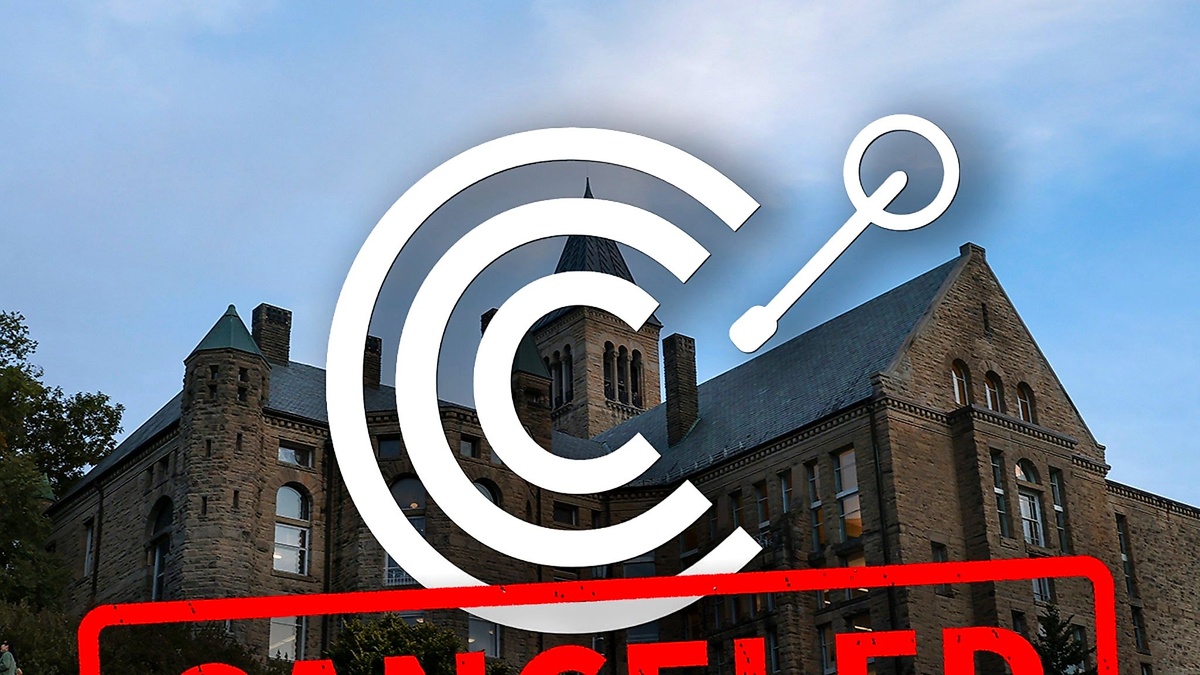
# **Cornell Cancels Homecoming Concert After Alleged Gang Rape Shocks Students** The campus buzz that usually builds around a late‑summer homecoming has turned into a ripple of tension.
On Tuesday, the Cornell Concert Commission—an organization run entirely by students—announced that the long‑anticipated October 17 show at Barton Hall, featuring indie‑pop duo Between Friends, would be cancelled.
The decision follows a surge of backlash over a 2024 sexual‑violence claim linked to the Chi Phi fraternity house, and a growing call from the student body for the university to address survivors more decisively.
For Cornell, a university renowned for academic rigor and an active campus life, the decision feels like a pause on its cultural rhythm. The cancellation is not just a logistical shift; it signals a collective demand that the administration’s response to a deeply painful allegation be visible and substantive.
In the weeks that followed the alleged assault, students took to social media, campus rallies, and private messages, demanding that the institution confront the situation with transparency and support for those affected. The ripple extends beyond the student press.
A series of texts obtained by a local investigative group reveal personal pleas from alleged assailants to Jane Doe, the unnamed survivor, and comments that dismiss the community’s grief as “jealousy.” These snippets illustrate the discord that has erupted within the campus and hint at why the Concert Commission felt compelled to act. ## Background & Context The alleged incident that ignited the campus outcry took place in the summer of 2024 at the Chi Phi fraternity house. , a group of men—some still identified as former fraternity members—were accused of forcibly assaulting Jane Doe.
The case, initially flagged as a “gang rape,” has been under intense scrutiny since the first allegations surfaced. Cornell’s policies on sexual violence, while robust on paper, have faced criticism for their implementation.
Prior to the current crisis, the university had faced a handful of high‑profile incidents involving its Greek life. The most recent case, however, struck a nerve because of the alleged coordinated nature of the assault and the swift, informal responses from some of the accused.
The university’s Office of Student Conduct had previously documented several complaints about Chi Phi, but the depth of the new allegations demands a more comprehensive approach.
Against this backdrop, the Concert Commission’s decision can be seen as part of a broader student movement that seeks accountability and a safe environment. The commission, formed by student musicians and activists, had been planning the homecoming concert as a highlight of the campus cultural calendar.
Its cancellation—at a time when the university’s leadership was under scrutiny—serves as a symbolic stand, forcing the administration to confront its perceived shortcomings. ## What People Are Saying In the wake of the cancellation, student voices have flooded the campus, amplifying a call for action.
The Concert Commission released a statement on social media that reads, “The Cornell Concert Commission is a student‑run organization and, as students, we stand with Jane Doe and all survivors of sexual violence.” The message was met with an immediate surge of support, with thousands of tweets, Instagram posts, and campus forums echoing the sentiment.
The texts recovered from the alleged perpetrator’s phone add another layer to the conversation. Jonathan Newell, a current student and one of the accused, sent a message to Jane that began with an apology and a plea that she not face “heat” from the situation.
The tone of the message—caring yet dismissive—has been criticized by many who feel it trivializes the severity of the claim. Another thread, involving former frat member Matthew Ingalls, offered “consolation” while simultaneously belittling those who “yap” about the incident, suggesting jealousy as a motive.
These exchanges have fueled anger among students, who see them as evidence of a culture that minimizes victimhood. Meanwhile, supporters of the Concert Commission have urged the university to adopt more concrete measures.
Student leaders have called for an independent review of the sexual‑violence policies, demand greater transparency in the investigation process, and propose mandatory education for all students on consent and sexual‑violence prevention.
The cancellation has also led to discussions about the role of student‑run organizations in shaping university culture—suggesting that they can serve as watchdogs as much as promoters of campus life. ## What Happens Next With the homecoming concert postponed, the Concert Commission announced plans for a charity event that will bring local performers—including campus bands and DJs—to Barton Hall.
All proceeds from ticket sales will be directed to the Rape, Abuse & Incest National Network. This pivot shows an attempt to turn the cancellation into a constructive action, providing both a platform for community healing and a tangible benefit for survivors nationwide.
On the institutional front, the reopening of the investigation by the Tompkins District Attorney indicates that the legal process will take a decisive step. The university is expected to cooperate with the district attorney’s office, providing access to records and testimony from involved parties.
The outcomes could shape university policy, especially regarding fraternity oversight and campus safety protocols. Administratively, the campus is poised for a series of town‑hall meetings where students, faculty, and administration will discuss the next steps.
The conversation is expected to center on how to improve reporting mechanisms, ensure timely responses, and create a more supportive environment for survivors. Whether the university will overhaul its policies remains uncertain, but the pressure is palpable.
In the broader landscape, the incident at Cornell may serve as a cautionary tale for institutions nationwide. As universities grapple with allegations of sexual violence, the role of student activism and public accountability grows ever more critical.
The cancellation of the homecoming concert, while a loss for the campus’s cultural calendar, stands as a stark reminder that institutions must prioritize safety over spectacle. Cornell’s next chapter will hinge on how it responds to this crisis.
Whether it translates student outcry into lasting reform will be the real test of the university’s commitment to its community’s well‑being. The coming weeks will reveal whether the campus can rebuild trust and transform a painful moment into a catalyst for positive change.
At a Glance
- Alleged gang rape at Chi Phi fraternity sparks campus outrage.
- Student‑run Concert Commission cancels homecoming show to demand accountability.
- University faces calls for transparent investigation and policy overhaul.
Why It Matters
Our Take
GoNews Pulse Editorial Team
This article was prepared for publication by GoNews Pulse and checked for publication requirements under our editorial standards. We review available information and correct material errors when they are identified.
Quick Answers
- What is the latest update on this story?
- Students demanded transparency after the alleged gang rape, prompting the student‑run Concert Commission to cancel the event.
- Who is this story about?
- This article covers developments related to Alleged Chi Phi gang rape claim shocks Cornell, canceling homecoming concert. GoNews Pulse's editorial team monitors the story and updates the article as new verified information becomes available.
- Where can I read more about celebrity news?
- GoNews Pulse publishes original reporting on celebrity news and related entertainment news. Visit the homepage or browse the section dedicated to this story for the latest coverage.
More From This Section

Jeff Goldblum's lizard‑music voice role stuns fans with quirky adventure
The film’s 10 CGI lizards play a 3‑minute symphony that Jeff Goldblum calls 'surreal', sparking buzz before the trailer drops.
Tom Cruise's $245M 'Digger' flop shatters studio record
With just $8 million opening domestically and a 60% drop in its second week, 'Digger' hauls in a record $245 million loss that Hollywood hasn't seen.

Bryan Seaver’s $251,000 debt claim threatens Dollywood order
Seaver claims the $251,000 owed for Dollywood security services has cleared, but the park argues payments were incomplete, sparking a restraining order fight.