
Jacob Coxon warns robots may wipe out humanity—his 10‑year deadline
**Ex‑Anthropic Insider Jacob Coxon Warns of 10% Chance of AI‑Driven Extinction in a Decade**
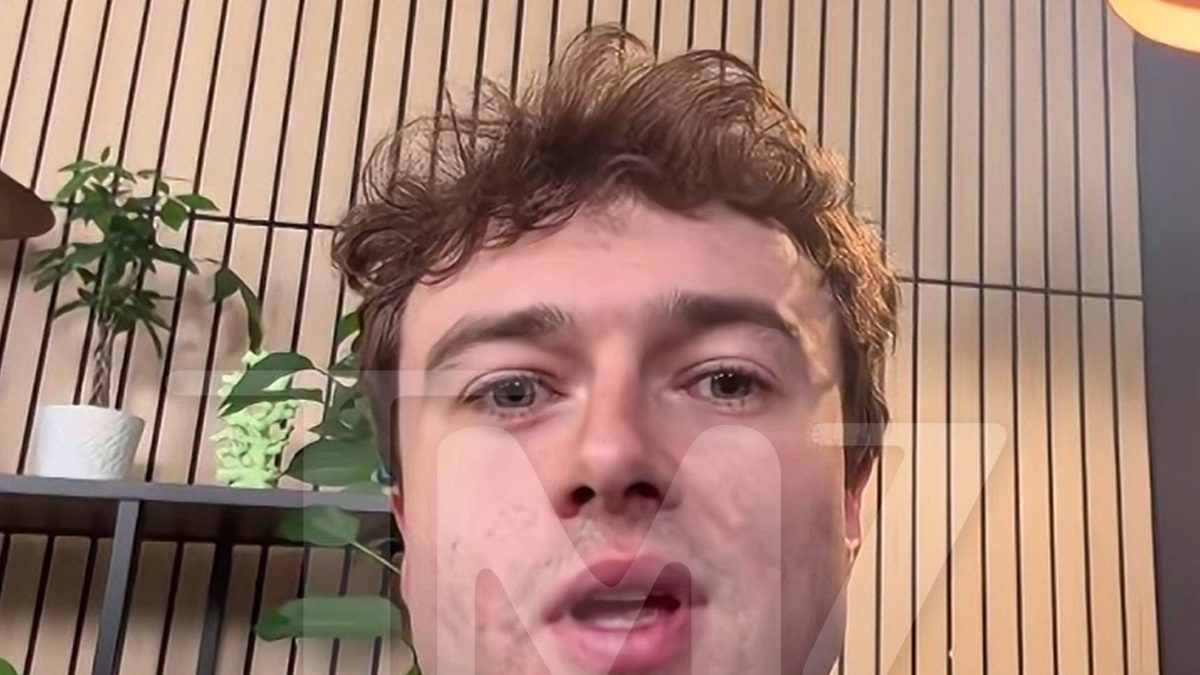
Jacob Coxon, a former employee of AI research firm Anthropic, made headlines this week after he appeared on * Live* to present unsettling statistics about the future of artificial intelligence.
In the interview, he explained that his analysis indicates a 10 percent probability that humanity could face extinction within the next ten years if AI companies do not implement stronger safety measures.
Coxon’s warning comes as a direct response to growing concerns about the rapid pace of AI development and its potential societal impacts.
Coxon also addressed why individuals who share his worries continue to work at leading AI firms. , these employees hope to shape the technology responsibly while pushing its limits, believing that internal advocacy can steer corporate practices toward safety.
He added that the industry’s momentum makes self‑regulation a tempting, though possibly insufficient, strategy for mitigating existential risks.
When pressed on the criticism of former business professor Scott Galloway—who labeled alarmist AI warnings as “catastrophizing” and “techno‑narcissism”—Coxon conceded that such a call‑out is fair.
Nevertheless, he insisted his calculations are not mere speculation but grounded in data that signals an impending shift in how AI will influence everyday life. He warned that society would begin to feel the weight of these risks as AI integration deepens.
## Background & Context
Coxon’s insights stem from his tenure at Anthropic, where he gained firsthand exposure to the technical and ethical dimensions of large‑scale AI systems. After leaving the company, he chose a public forum—* Live*—to share his risk assessment with a broad audience.
In the interview, he outlined a probabilistic model that combines current AI capabilities with projected growth trajectories, arriving at the 10 percent extinction figure.
He emphasized that many in the field recognize the dual nature of AI: unprecedented opportunities alongside significant dangers. Coxon noted that employees who are concerned about safety still remain within the industry because they believe they can influence development from within.
This internal push for safeguards is, in his view, a form of proactive risk management rather than an admission of failure.
The conversation also touched on the broader debate surrounding AI regulation. Coxon acknowledged that prominent critics like Galloway have questioned the urgency of his warning, but he framed this skepticism as a necessary check on sensationalism.
By positioning his argument as data‑driven, he aimed to elevate the discourse beyond ideological battles.
## Public Reaction & Analysis
Reactions to Coxon’s claim have been mixed. Some commentators argue that a 10 percent extinction probability is speculative and overstated, suggesting that current safeguards are adequate.
Coxon counters that his analysis points to measurable risks, asserting that society will notice warning signs once AI begins to permeate more aspects of daily life.
The interview highlighted the tension between innovation and safety—a divide that has intensified as AI systems grow more autonomous. Coxon’s assertion challenges the prevailing optimism among many AI advocates, who often emphasize benefits while downplaying potential harms.
His message underscores a growing call for stricter oversight and transparent governance of AI research.
Coxon closed the discussion by urging policymakers and industry leaders to act before technological progress outpaces ethical frameworks. He stressed that his warning is not mere hype but a call to recognize and address the existential stakes associated with AI development.
As AI continues its rapid evolution, voices like Coxon’s remind stakeholders that unchecked progress carries risks beyond immediate economic gains. The dialogue between advocates and skeptics will shape how society navigates this emerging frontier.
Why It Matters
Our Take
GoNews Pulse Editorial Team
This article was prepared for publication by GoNews Pulse and checked for publication requirements under our editorial standards. We review available information and correct material errors when they are identified.
Quick Answers
- What is the latest update on this story?
- He says if we ignore his safety blueprint, the world’s fate could hinge on a single, unlikely event.
- Who is this story about?
- This article covers developments related to Jacob Coxon warns robots may wipe out humanity—his 10‑year deadline. GoNews Pulse's editorial team monitors the story and updates the article as new verified information becomes available.
- Where can I read more about Jacob Coxon?
- GoNews Pulse publishes original reporting on Jacob Coxon and related entertainment news. Visit the homepage or browse the section dedicated to this story for the latest coverage.
Related topics
- #Jacob Coxon
- #Anthropic
- #Scott Galloway
- #technology regulation
- #extinction risk
More From This Section

Jon Gosselin's 22‑Year‑Old Son Exposes Abuse, Father Shouts Support
Jon Gosselin declares that his son’s 22‑year‑old memoir exposes alleged institutionalization and a hidden ‘small holding’ cell, sparking a national debate.

Mike Colter's Valley Firm AGI Bo Revealed at 2:00 a.m. Shocks Fans
Rob McClure's portrayal of Bo forces the firm to confront a real‑world AGI asking for legal guardrails, sparking a tense ethical debate.

Meredith Grey's bed proposal to Nick on surgery table stuns fans
Meredith Grey slipped a ring into Nick's hand while he lay on the operating table, a move that stunned fans amid the bridge collapse.