
A24 Donates $89M from 'You Can See Everything' to Charity, Fans React
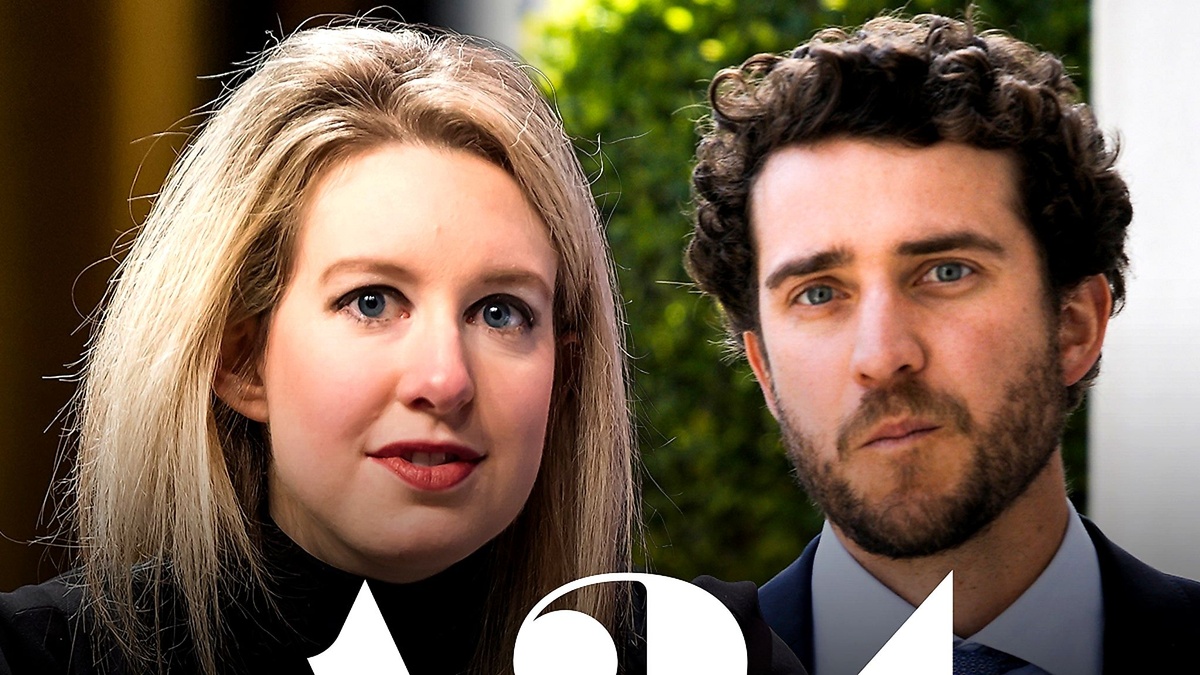
# **A24 Makes Backend Payment to a Charity in 'You Can See Everything' Documentary** The recent release of *You Can See Everything* has sparked a wave of debate across the film community and beyond.
Directed by a team that previously tackled controversial subjects, the documentary follows former Silicon Valley entrepreneur Elizabeth Holmes and her former FBI agent boyfriend, Billy Evans, as they confront a lawsuit alleging that Holmes defrauded investors.
While the film’s narrative into the collapse of Theranos and the subsequent legal battles, the spotlight now turns to the studio’s decision to donate a portion of its backend profits to a charitable cause—an uncommon move that challenges traditional documentary ethics.
The film, which garnered a domestic gross of $89 million, includes a title card that reads, “Billy Evans ultimately relinquished his negotiated share of the film’s profits and would not receive backend compensation.” ## Background & Context *You Can See Everything* chronicles the fall of one of the most notorious tech fraud cases in recent memory.
Holmes, the former CEO of Theranos, claimed to have developed a groundbreaking blood‑testing technology, a claim that later unraveled into a sprawling fraud. Evans, a former FBI agent, played a key role in investigating the company.
Their partnership, both personal and professional, became a centerpiece of the documentary’s exploration of ambition, betrayal, and legal complexity.
In the realm of documentary filmmaking, a long‑standing ethical principle is that subjects should not receive payments that could influence their testimony or the film’s narrative.
The concern is that financial incentives might bias interviewees, compromise the integrity of the story, and blur the line between journalism and entertainment. A24 adhered to this principle, noting in the title card that Evans would not receive any backend profit.
Yet the studio’s decision to donate the same share to a charitable organization introduced an unexpected twist. By the time the film premiered, audiences were already aware of its substantial box office returns. ## What People Are Saying Reactions to the charity donation have been polarized.
On one side, many viewers applaud A24 for its altruistic gesture, arguing that diverting profits to a cause in need aligns with the broader mission of socially conscious filmmaking.
Supporters on social media threads have pointed out that the donation could help fund research into healthcare fraud, a topic directly relevant to the film’s subject matter. Conversely, critics have expressed concern that the donation may obscure the very issue of financial fairness for the documentary’s subjects.
A segment of the audience has highlighted that the title card’s statement, while transparent, does not fully address Evans still benefiting indirectly through the charity.
Some commentators argue that the studio’s action, though well‑meaning, could be perceived as a circumvention of the ethical line, allowing a form of compensation that bypasses direct payment to the individual. Film scholars and industry insiders have weighed in as well.
A professor of media ethics noted that the decision sets a new precedent: “When a studio diverts backend profits to a charity, it creates a complex ethical terrain that audiences may not immediately grasp.” Meanwhile, a former documentary producer commented that while the gesture is commendable, the underlying issue of compensating subjects for their time and insights remains unresolved.
The controversy also prompted discussions about the transparency of profit‑sharing in documentary film. Some stakeholders have called for clearer disclosure of the exact amount directed to the nonprofit, arguing that without specific figures, the gesture could be seen as symbolic rather than substantial.
Others maintain that the precise dollar amount is secondary to the act of donating a percentage of a record‑breaking $89 million gross. ## What Happens Next Industry observers predict that this incident may prompt studios and filmmakers to reexamine their policies on backend payments and charitable contributions.
Such transparency could either mitigate criticism or raise further questions about the ethics of indirect compensation. For the film’s audience, the situation offers an opportunity to engage in deeper conversations about the responsibilities of documentary makers.
As viewers, we are called to consider whether the act of donating a portion of profits to a charity genuinely serves the public interest, or whether it simply reframes a contentious issue in a more palatable light. ## Closing The decision by A24 to donate a portion of *You Can See Everything*’s backend profits to a charitable organization has illuminated a rarely discussed facet of documentary ethics.
While the move was celebrated by some as a bold act of social responsibility, others argue that it sidesteps the core question of whether the film’s subjects received fair compensation.
As the industry grapples with the implications, the dialogue surrounding financial transparency, ethical filmmaking, and the role of charity in the creative process is poised to intensify.
At a Glance
- A24 channels the entire $89 million backend profit to charity.
- The move prompts questions about fair compensation for documentary subjects.
- Industry may adopt clearer profit‑sharing and transparency standards.
Why It Matters
Our Take
GoNews Pulse Editorial Team
This article was prepared for publication by GoNews Pulse and checked for publication requirements under our editorial standards. We review available information and correct material errors when they are identified.
Quick Answers
- What is the latest update on this story?
- A24 announced that $89 million from the documentary’s domestic earnings will go to a charity, sparking a debate over whether subjects received fair pay.
- Who is this story about?
- This article covers developments related to A24 Donates $89M from 'You Can See Everything' to Charity, Fans React. GoNews Pulse's editorial team monitors the story and updates the article as new verified information becomes available.
- Where can I read more about celebrity news?
- GoNews Pulse publishes original reporting on celebrity news and related entertainment news. Visit the homepage or browse the section dedicated to this story for the latest coverage.
More From This Section

Mila Kunis reveals she and Kutcher kissed the same two actresses
During a Kelly Ripa podcast, Kunis said, 'They kissed me and I kissed them,' adding she kissed them in 2010 Black Swan, sparking wild speculation.

Patrick Stewart's final set scene in 2026 tears fans as he delivers farewell
Patrick Stewart whispers 'thank you' to the crew in a tearful speech, hinting this may be his final film set appearance and the studio audience gasps.

Ariana Grande's 33-Year-Old Shuts Down 10-Year Management Feeling Unsafe
She said, 'When you have safety around you, your body knows,' after cutting ties with her manager, sparking debate on artist safety and freedom.