
Twelve States Slam Paramount’s $110B Takeover, Fear Hollywood’s Monopoly
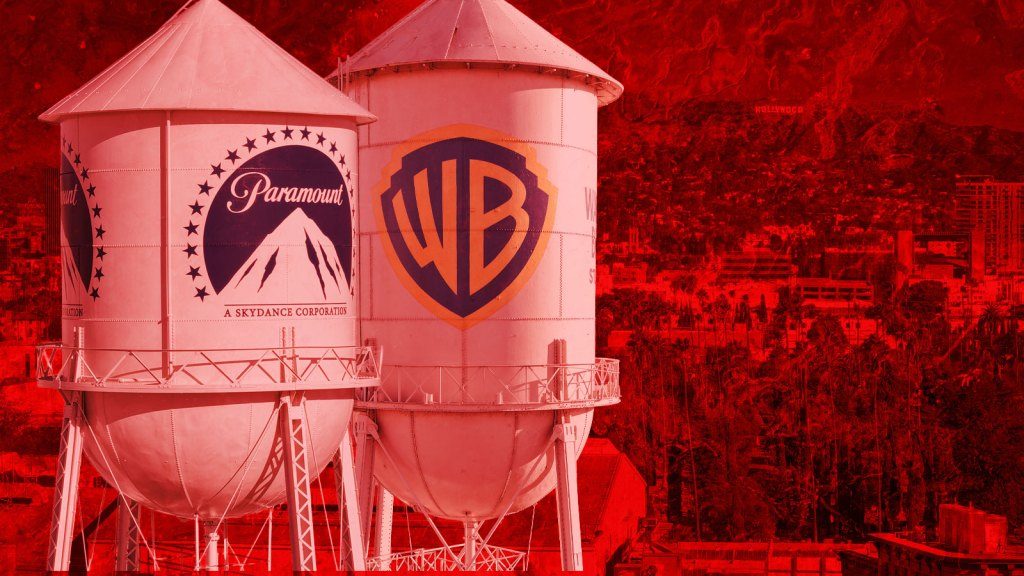
On Monday, a coalition of state attorneys general filed a federal lawsuit in the Northern District of California to block Paramount Pictures’ $110 billion acquisition of Warner Bros. Discovery (WBD).
The suit challenges the merger on antitrust grounds, arguing that it would stifle competition in theatrical film distribution, big‑budget blockbusters, and basic cable television licensing.
California Attorney General Rob Bonta led the filing, stating that the unlawful merger would lead to higher prices, lower quality, and less content for film and television, harming movie theaters, basic cable distributors, and ultimately audiences nationwide.
The statement quotes Bonta’s own words: “The unlawful merger of these two entertainment behemoths would lead to higher prices, lower quality, and less content for film and television…” The AG emphasized the broader impact on the industry.
The lawsuit also lists 11 other states—Arizona, Colorado, Connecticut, Massachusetts, Minnesota, Nevada, New Jersey, New Mexico, New York, Oregon and Washington—joining the complaint.
Their combined argument centers on the merger’s potential to concentrate more than 30 % of wide‑release theatrical output and over a quarter of basic cable channel revenue, giving the combined company excessive bargaining power.
## Background & Context
Paramount’s deal to acquire WBD was announced earlier this year and received clearance from the Trump administration’s Justice Department after an extensive investigative review.
The agency said that the “extensive investigatory record reviewed by the Division suggests that the impact of the transaction will be to increase competition across the media and entertainment ecosystem, with benefits for American consumers and workers.”
The lawsuit, however, raises concerns beyond competition. State officials point to potential layoffs as the combined company grapples with its debt burden and warn about impacts on the creative community and information environment.
Paramount would also own CBS News and CNN, though the merger complaint does not address these assets directly.
This case follows precedent such as the Nexstar–Tegna merger, where a federal judge put a deal on hold despite federal approvals. The plaintiffs argued that the merger would be anticompetitive, and the court sided with the states and DirecTV.
## Legal Claims & Arguments
The complaint alleges that the merger would create a media behemoth capable of extracting a greater share of box‑office revenue from exhibitors.
It cites that Paramount and WBD already represent about 27 % of the box office, and that the combined company would control more than 30 % of big‑budget theatrical releases, which accounted for 88 % of box‑office revenue over the past three years. This concentration, the states argue, would give the combined entity undue market power.
In addition to theatrical distribution, the suit targets basic cable licensing. It claims the merged company would control more than a quarter of all basic cable channels by revenue, giving it increased leverage with distributors.
The complaint warns that distributors who refuse fee demands could lose flagship channels such as CNN, Nickelodeon, HGTV and TNT, forcing higher fees that would be passed on to subscribers.
The states also argue the merger would lead to higher prices, lower quality, and less content for audiences. They request that Paramount and WBD postpone closing the deal until after the judicial process and seek a temporary restraining order if the companies do not comply.
Oregon Attorney General Dan Rayfield said a motion for a TRO would be filed later that Monday.
## Potential Outcomes & Next Steps
Paramount has responded by hiring antitrust litigator Jeffrey Kessler, who previously represented the states in challenges against Live Nation and Ticketmaster.
The company maintains that the merger will boost competition against streaming giants Netflix, Amazon Prime Video and Disney+, and it has pledged to release at least 30 theatrical films .
A Paramount spokesperson said the lawsuit “reflects a fundamentally flawed application of the antitrust laws and is wrong on both the facts and the law.”
The lawsuit also raises concerns about job losses, with the states arguing that the efficiencies from the merger do not outweigh the harms. Paramount counters that delaying the transaction would hurt workers who have already suffered disruptions in recent years and that the merger would preserve employment.
The states highlight potential creative content loss if projects are shelved.
A key element of the litigation is the deal’s $7 million a day ticking fee if it does not close by September 30. The plaintiffs’ demand to halt closing and the possibility of a TRO could extend the transaction’s timeline, potentially triggering the fee and increasing costs for Paramount.
The outcome will hinge on whether a judge grants an injunction and how the courts interpret the antitrust claims.
The lawsuit highlights a clash between state‑level antitrust enforcement and federal clearance, underscoring how big‑media consolidations can spark legal battles that reach beyond corporate balance sheets to affect consumers, distributors and the creative workforce.
The next court filings will determine whether the merger can proceed or be stalled until a fuller review of its competitive impacts.
Why It Matters
Our Take
GoNews Pulse Editorial Team
This article was prepared for publication by GoNews Pulse and checked for publication requirements under our editorial standards. We review available information and correct material errors when they are identified.
Quick Answers
- What is the latest update on this story?
- Twelve states file suit, claiming Paramount’s takeover will cram Hollywood, hike streaming costs, and choke competition.
- Who is this story about?
- This article covers developments related to Twelve States Slam Paramount’s $110B Takeover, Fear Hollywood’s Monopoly. GoNews Pulse's editorial team monitors the story and updates the article as new verified information becomes available.
- Where can I read more about Paramount Pictures?
- GoNews Pulse publishes original reporting on Paramount Pictures and related entertainment news. Visit the homepage or browse the section dedicated to this story for the latest coverage.
Related topics
- #Paramount Pictures
- #Warner Bros. Discovery
- #Theatrical film distribution
- #Basic cable licensing
More From This Section

Jon Gosselin's 22‑Year‑Old Son Exposes Abuse, Father Shouts Support
Jon Gosselin declares that his son’s 22‑year‑old memoir exposes alleged institutionalization and a hidden ‘small holding’ cell, sparking a national debate.

Mike Colter's Valley Firm AGI Bo Revealed at 2:00 a.m. Shocks Fans
Rob McClure's portrayal of Bo forces the firm to confront a real‑world AGI asking for legal guardrails, sparking a tense ethical debate.

Meredith Grey's bed proposal to Nick on surgery table stuns fans
Meredith Grey slipped a ring into Nick's hand while he lay on the operating table, a move that stunned fans amid the bridge collapse.